
If you’re wondering how can i make black coffee, you’re in the right place. This guide will walk you through every simple method, from the quickest cup to the most refined brew.
Black coffee is pure, just coffee and water. Its beauty lies in its simplicity. But that simplicity needs good technique. The right steps can turn bitter and dull into smooth and complex. We’ll cover all the essentials to get you started.
How Can I Make Black Coffee
This section is your core guide. Making great black coffee hinges on a few key things: your beans, your water, your grind, and your method. Master these, and you’ll make a cup you love every single time.
Essential Ingredients and Tools
You don’t need a fancy setup to begin. Start with the basics and build from there.
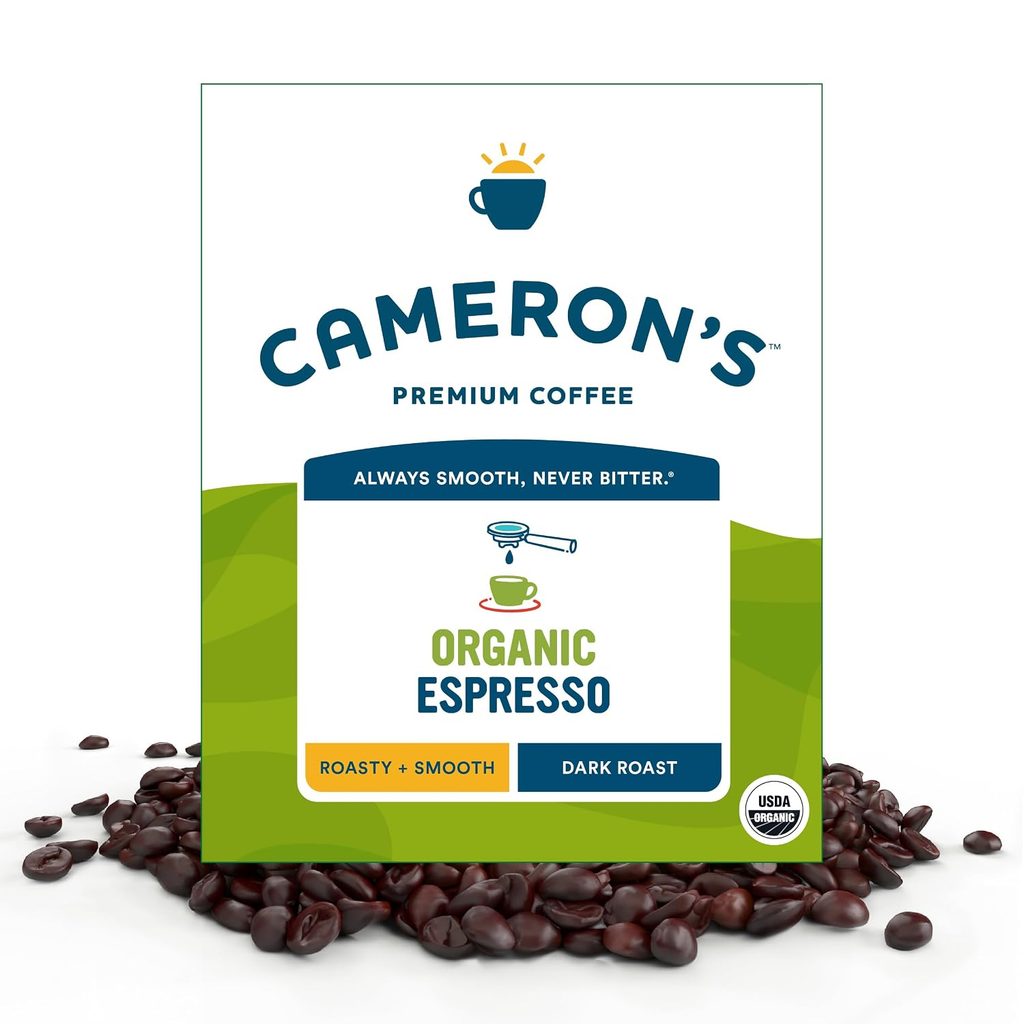
- Coffee Beans: This is the most important choice. Fresh, whole beans from a local roaster are ideal. Look for a roast date, not just a best-by date. The beans should be used within a month of roasting for peak flavor.
- Grinder: A burr grinder is a game-changer. It crushes beans to a consistent size, which is crucial for even extraction. Blade grinders chop unevenly, leading to a mix of bitter and sour flavors in your cup.
- Water: Coffee is about 98% water. If your tap water tastes bad, your coffee will too. Use filtered or bottled water with a neutral taste. The water should be fresh, not previously boiled.
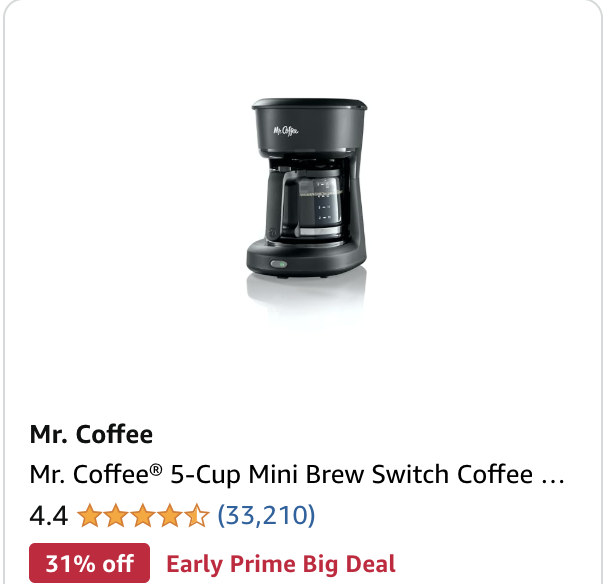
- Brewing Device: Choose one to start. A simple pour-over cone, a French press, or an AeroPress are all excellent and affordable options.
- Kettle: A gooseneck kettle gives you precise control for pour-over methods, but any kettle will work to heat water.
- Scale: A small digital kitchen scale is the secret to consistency. Measuring by weight is far more accurate than using scoops.
- Timer: Use your phone or a simple stopwatch. Brew time affects strength and flavor.
Choosing Your Coffee Beans
Walking into a coffee shop or browsing online can be overwhelming. Here’s a simple breakdown.
- Roast Level: Light roasts are brighter and more acidic, often highlighting the bean’s origin flavors. Medium roasts are balanced and smooth. Dark roasts are bolder, with more bitter, chocolatey, or smoky notes.
- Origin: Single-origin beans come from one place (e.g., Ethiopia, Colombia). They offer unique, specific taste profiles. Blends mix beans from different regions for a consistent and balanced flavor.
- Freshness: Always buy whole bean. Grind your coffee just before you brew it. Pre-ground coffee loses flavor rapidly because more surface area is exposed to air.
The Importance of the Coffee Grind
Grind size directly controls how fast water flows through your coffee. It’s a critical variable.
- Coarse Grind: Looks like sea salt. Used for French press and cold brew where water and coffee are in contact for a long time.
- Medium Grind: Similar to sand. This is the standard for drip coffee makers and some pour-overs like the Clever Dripper.
- Fine Grind: A bit finer than table salt. Used for espresso machines and AeroPress (with certain recipes).
- Extra Fine: Almost like powdered sugar. This is for Turkish coffee.
A grind that’s too fine for your method will over-extract, making coffee bitter. A grind thats too coarse will under-extract, making it sour and weak.
Perfect Coffee-to-Water Ratio
This is your recipe. The “Golden Ratio” is a great starting point.
- The standard is 1:16, meaning 1 gram of coffee for every 16 grams of water.
- For a strong cup, try 1:15. For a lighter cup, try 1:17.
- Example: For 500 grams (ml) of water, you would use about 31 grams of coffee (500 ÷ 16 = 31.25).
Using a scale makes this easy and repeatable. Volumetric measures like “tablespoons” are inconsistent because grind size affects how much coffee fits in a spoon.
Water Temperature Matters
Boiling water (100°C / 212°F) can scald coffee, extracting harsh flavors. The ideal range is between 90°C and 96°C (195°F to 205°F).
A simple trick: boil your water, then let it sit off the boil for 30 seconds to a minute. This will bring it into the perfect range for brewing.
Step-by-Step Brewing Methods
Now, let’s put it all into practice. Here are detailed guides for four popular manual methods.
How to Make Black Coffee with a French Press
The French press is full-immersion brewing, meaning the coffee steeps in the water. It produces a rich, full-bodied cup with more oils and sediment.
- Heat Water: Bring fresh water to a boil, then let it cool for about 45 seconds.
- Grind Coffee: Weigh out your coffee. Use a coarse grind, similar to breadcrumbs.
- Preheat & Add Coffee: Pour a little hot water into the empty press to warm it, then discard. Add the ground coffee to the bottom of the press.
- Bloom: Start your timer. Pour just enough water to saturate all the grounds (about twice the weight of the coffee). Let it sit for 30 seconds. You’ll see it bubble as gases escape.
- Pour & Steep: Pour the remaining water, ensuring all grounds are submerged. Place the lid on top with the plunger pulled all the way up. Let it steep for 4 minutes.
- Press & Serve: Press the plunger down slowly and steadily. Pour all the coffee into your cup or a carafe immediately to stop the brewing.
How to Make Black Coffee with a Pour-Over (V60 or Cone)
Pour-over methods give you a clean, bright, and nuanced cup. They require a bit more attention but are very rewarding.
- Heat Water & Prep Filter: Heat water to 96°C (205°F). Place a paper filter in your dripper and rinse it thoroughly with hot water. This removes paper taste and preheats the brewer. Discard the rinse water.
- Grind & Add Coffee: Grind coffee to a medium-fine consistency. Add the grounds to the damp filter and gently tap to level.
- Bloom: Start your timer. Pour a small amount of water (about twice the coffee weight) evenly over the grounds to wet them. Let it bloom for 30-45 seconds.
- Main Pour: Slowly pour the remaining water in a steady, spiral motion, starting from the center and moving outward. Avoid pouring directly onto the filter. Try to finish pouring by the 2:00 to 2:30 minute mark.
- Drain & Enjoy: Let the water fully drain through the grounds. Total brew time should be around 2:30 to 3:30 minutes. Remove the dripper and enjoy your coffee.
How to Make Black Coffee with an AeroPress
The AeroPress is versatile, fast, and makes a smooth, rich cup. It’s also great for travel.
- Prep: Heat water to about 85°C-90°C (185°F-195°F) for a standard recipe. Insert a paper filter into the cap, rinse it, and screw it onto the chamber. Place it on your mug.
- Grind & Add Coffee: Use a fine to medium-fine grind. Add your coffee to the chamber.
- Add Water & Stir: Start your timer. Pour hot water up to the desired number (or weigh it). Quickly stir the coffee and water for about 10 seconds to ensure all grounds are wet.
- Steep & Press: Insert the plunger and gently pull up slightly to create a vacuum (this prevents dripping). Let it steep for 1 minute. After 1 minute, press the plunger down slowly and steadily. It should take about 30 seconds. You’ll hear a hiss when done.
How to Make Black Coffee with a Moka Pot
The Moka pot brews a strong, intense coffee that’s similar to espresso. It’s a stovetop method.
- Fill the Base: Fill the bottom chamber with hot water up to the safety valve. Do not go above the valve.
- Add Coffee: Insert the filter basket and fill it with a medium-fine grind. Do not tamp the coffee; just level it off gently.
- Assemble & Heat: Screw the top chamber on tightly. Place the Moka pot on a stove burner set to medium heat.
- Brew: Leave the lid open. As the water boils, pressure will push it up through the coffee grounds into the top chamber. You’ll hear a gurgling sound.
- Finish: When the top chamber is full and the stream of coffee becomes pale and foamy, remove it from the heat. Run the base under cool water to stop the brewing immediately.
Troubleshooting Your Black Coffee
Not happy with your brew? Use this quick guide to diagnose and fix common problems.
My Coffee Tastes Too Bitter
Bitterness usually means over-extraction. The water has pulled out too many of the harsh compounds.
- Fix: Use a coarser grind. Shorten the brew time. Use slightly cooler water. Make sure you are not using to much coffee relative to water.
My Coffee Tastes Too Sour or Weak
Sourness or weakness points to under-extraction. The water hasn’t pulled enough flavor from the grounds.
- Fix: Use a finer grind. Increase the brew/steep time. Ensure your water is hot enough (in the 90°C-96°C range).
My Coffee is Watery
This is almost always a ratio issue.
- Fix: Increase the amount of coffee you use. Stick to the 1:16 ratio as a baseline and adjust from there. Check that your grind isn’t too coarse.
My Coffee is Muddy or Has Too Much Sediment
This is common with French press or if your grind is too fine for your method.
- Fix: For French press, try not to plunge all the way to the very bottom. For other methods, ensure you’re using the correct grind size and that your paper filter is properly seated.
Advanced Tips for a Better Cup
Once you’ve mastered the basics, these small tweaks can make a big difference.
Experiment with Ratios and Grind
Don’t be afraid to change one variable at a time. Make a note of what you change and how it tastes. This is how you develop your personal preference.
Try Different Water
The mineral content in water affects extraction. If you’re serious, try brewing with a bottled water known for good mineralization, like Third Wave Water or even a clean spring water.
Keep Your Equipment Clean
Old coffee oils turn rancid and ruin fresh coffee. Clean your grinder, brewer, and kettle regularly with hot water and mild soap. Descale your kettle if you have hard water.
Store Your Beans Properly
Keep beans in an airtight container at room temperature, away from light, heat, and moisture. Do not store them in the fridge or freezer, as this can cause condensation and degrade flavor.
Frequently Asked Questions (FAQ)
What is the simplest way to make black coffee?
The simplest method is using an automatic drip coffee maker. You just add water and ground coffee, and press start. For manual methods, the French press is very straightforward and requires no paper filters if you prefer.
How do I make a good cup of black coffee without a coffee maker?
You can use the “cowboy method.” Add coarse ground coffee to a pot of hot (not boiling) water. Let it steep for 4-5 minutes, then carefully pour the coffee off the top, leaving the grounds at the bottom. Alternatively, a simple cloth filter or even a clean handkerchief can be used to strain grounds.
How to make black coffee taste good without sugar?
Start with high-quality, fresh beans. Perfect your brewing technique to avoid bitterness. Try adding a tiny pinch of salt to your grounds before brewing; it can neutralize bitterness without making the coffee taste salty. Experiment with different roast levels and origins to find a flavor profile you naturally enjoy.
Can I make black coffee in a microwave?
It’s not recommended to brew coffee directly in a microwave. However, you can heat water in a microwave-safe container (be careful of superheating) and then use it for an instant coffee, a pour-over, or a French press method. The brewing itself should happen outside the microwave.
What’s the best coffee for black coffee?
There’s no single “best,” as it’s personal. Many people prefer single-origin beans from regions like Ethiopia (for floral, tea-like notes) or Central America (for balanced, nutty flavors). A medium roast is often the most versatile and approachable for new black coffee drinkers.
How to make strong black coffee?
Strength comes from the ratio and extraction. For a stronger cup, increase your coffee-to-water ratio (e.g., from 1:16 to 1:15). You can also use a slightly finer grind or extend the brew time slightly, but be careful not to cross into bitter territory.
Making great black coffee is a simple skill that brings daily reward. It starts with good beans and good water. From there, attention to your grind size, ratio, and timing will guide you. The most important step is to start. Try one method, follow the steps, and taste the result. Your perfect cup is waiting.