
You’re packing for a flight and wondering about your favorite coffee. Can you take ground coffee on a plane? The simple answer is yes, you absolutely can. Both carry-on and checked bags are generally fine for coffee grounds. But like all things with air travel, there are some important rules and smart tips to know. Getting it right means you can enjoy your own brew at your destination without any hassle at security.

This guide will walk you through everything. We’ll cover the official TSA and airline rules, the best ways to pack it, and how to avoid common mistakes. Whether you’re bringing a bag of local beans as a gift or just can’t start your day without your specific blend, we’ve got you covered.
Can You Take Ground Coffee On A Plane
Yes, the Transportation Security Administration (TSA) allows ground coffee in both carry-on and checked luggage. Coffee grounds are not considered a liquid, gel, or aerosol. This is the most important point. They are a dry, solid food product. So, the standard 3-1-1 rule for liquids does not apply to your bag of coffee.
You can bring a whole bag of coffee in your suitcase. There is no official limit on quantity for personal use. However, if you are carrying an unusually large amount, be prepared for extra questions. A security officer might want to ensure it’s not something else.
TSA Rules for Ground Coffee in Carry-On Bags
When you pack coffee in your carry-on, follow these TSA-friendly steps:
- Keep it sealed: An unopened, vacuum-sealed bag is best. It prevents spills and minimizes scent.
- If opened, use a sturdy, airtight container or a heavy-duty ziplock bag.
- Place it for easy access: Put the coffee in an easy-to-reach part of your bag. If TSA needs to inspect it, you won’t have to unpack everything.
- Declare if asked: If your bag gets flagged for a check, just tell the officer, “That’s my ground coffee.” They see it all the time.
Packing Coffee in Checked Luggage
Checked bags are even more straightforward for coffee. The main risk here is damage from baggage handling. Your coffee bag could get crushed.
- Use a hard-sided container for protection.
- Wrap the coffee bag in clothing for padding.
- Consider using a sealed, rigid coffee tin instead of a bag.
Remember, checked bags can be subject to temperature and pressure changes. A really airtight seal helps keep your coffee fresh.
International Travel Considerations
Flying to another country? You need to think about two sets of rules: leaving your country and entering the destination.
- Departure (US): The TSA rules still apply. Getting it out of the USA is fine.
- Arrival (Foreign Country): Many countries have strict agricultural and food import laws. They want to prevent pests and diseases.
Always check the customs website of the country you’re visiting. Some places require you to declare all food products. Others may prohibit plant-based products entirely. It’s your responsability to know the rules.
What About Coffee Beans?
Whole coffee beans follow the exact same rules as ground coffee. They are also a dry good. Beans are sometimes even better for travel because they stay fresh longer and are less likely to be mistaken for anything else during a visual inspection.
Why Would Security Flag My Coffee?
Even though it’s permitted, your coffee might get a second look at the X-ray machine. Here’s why:
- Density: Coffee is a dense, organic powder. On an X-ray screen, it can appear as a uniform, solid mass. This can sometimes look similar to certain restricted materials.
- Packaging: A brick-like, vacuum-sealed bag might need a closer look to confirm its contents.
- Large Quantity: A very large bag, like a 5-pound bulk pack, might prompt a question about what it is and why you’re carrying so much.
If flagged, a TSA officer will likely swab the outside of the package to test for explosive residue. This is a standard procedure. They might also open the bag to take a visual sniff and look. Stay calm and cooperative. It’s usually resolved in under a minute.
Smart Packing Tips for Travel Coffee
A little planning makes the process seamless. Follow these tips to pack like a pro.
Step-by-Step: Packing for Carry-On
- Choose the Right Container: Opt for the original, unopened bag or a hard, airtight container.
- Double-Bag for Safety: Place the coffee bag inside a larger ziplock bag. This contains any potential fine dust if the inner package gets a small tear.
- Position in Your Bag: Pack it near the top of your carry-on or in a separate laptop compartment for quick removal.
- Keep Your Receipt: If you have an expensive, specialty coffee, keeping the receipt can help prove its value if questioned.
Preventing Spills and Mess
A coffee spill in your luggage is a sticky, fragrant disaster. Avoid it with these methods:
- Vacuum Sealing: This is the gold standard. It removes air, making the package rock-solid and leak-proof.
- Use a Solid Tin: Many coffees come in tins. They are perfect for travel.
- Tape the Seal: If using a bag, put a piece of strong tape over the zipper or seal.
Keeping Your Coffee Fresh
Air, light, heat, and moisture are coffee’s enemies. During travel, you combat mostly air and heat.
- The vacuum-sealed bag is best for freshness.
- If you’ve opened it, squeeze out as much air as possible before sealing.
- Never pack coffee in a bag that will be left in a hot car or direct sunlight.
Traveling with Coffee Equipment
Maybe you want to brew your own coffee too. Here’s what you need to know about bringing gear.
Manual Brewers (Pour-Over, AeroPress, French Press)
These are generally fine in both carry-on and checked bags.
- Glass components (like a Chemex) are risky in checked luggage due to breakage. Pack them carefully in your carry-on wrapped in clothing.
- The AeroPress is plastic and very travel-friendly.
- Metal parts (grinders, kettles) are allowed but may be inspected.
Electric Coffee Makers
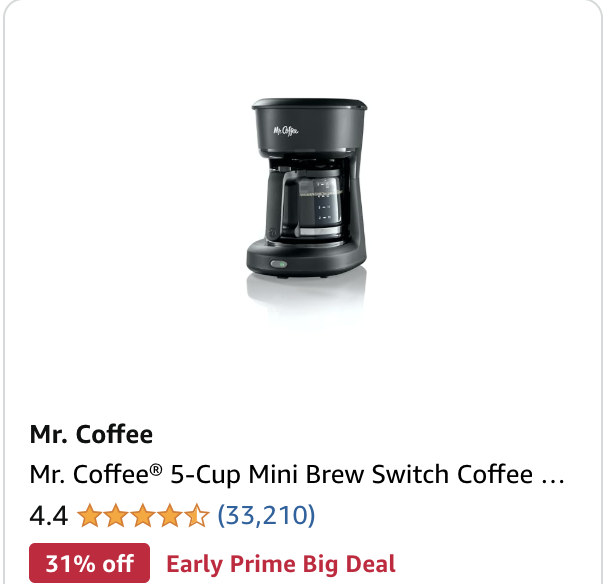
You can pack a small drip machine or single-serve brewer. It’s usually best in checked luggage due to its size and weight. Remember, you’ll need to adapt to different plug types and voltages internationally.
Coffee Grinders
This is a tricky one.
- Blade Grinders: Usually okay. The blades are not typically considered a sharp hazard.
- Burr Grinders: These have sharper, heavier metal parts. Packing them in checked luggage is safer. Always clean them thoroughly before travel to remove all coffee residue and oils.
Pro tip: Grind your coffee at home before you leave. It’s one less thing to pack and worry about.
Buying Coffee at the Airport or Duty-Free
This is often the easiest option. Coffee bought after the security checkpoint is considered a “secure purchase.”
- You can take it directly onto the plane with you.
- It doesn’t need to fit in your quart-sized liquids bag.
- If you have a connecting flight, it can usually pass through security again, but this can vary. Be prepared to have it screened separately.
Duty-free coffee is also a great gift idea. Just keep the receipt in the sealed bag in case you need to show proof of purchase.
Common Mistakes to Avoid
Learn from others’ errors so you don’t make them.
- Assuming it’s a liquid: Don’t throw out your coffee! It’s a solid.
- Packing it loose in a suitcase: A burst bag will ruin your clothes.
- Forgetting customs rules: The biggest problems happen when landing, not taking off.
- Not checking airline weight limits: A heavy bag of coffee could push your suitcase over the weight limit, resulting in fees.
- Mixing coffee with other powders: Don’t pack coffee in the same bag as protein powder or spices. If one spills, it contaminates the other, and it looks confusing on an X-ray.
FAQ: Your Coffee Travel Questions Answered
Can I take opened ground coffee on a plane?
Yes, you can. Just make sure it’s in a sealed, airtight container or a very secure bag to prevent spills. TSA may still inspect it, but it’s allowed.
Is there a limit to how much coffee I can bring?
The TSA does not set a specific limit for personal amounts. However, if you’re carrying 10 pounds, be ready to explain it’s for personal use. For international travel, check your destination’s customs limits on food products.
Can I bring coffee pods or K-Cups on a plane?
Absolutely. Coffee pods are also dry goods. They are easy to pack and very unlikely to cause any issues at security. They’re a very convenient travel option.
Will coffee grounds set off a security alarm?
They won’t “set off an alarm” in the metal detector or body scanner. However, their dense appearance on the X-ray for your bag might lead to a manual inspection. This is normal.
Can I take instant coffee on a plane?
Yes, instant coffee granules are also a dry solid. The same rules apply. It’s one of the most hassle-free ways to bring coffee with you.
Should I pack coffee in my carry-on or checked bag?
Carry-on is often better for freshness and to avoid crushing. But if you have a lot or are bringing bulky equipment, checked baggage is fine. Just pack it carefully.
Can I bring coffee creamer on the plane?
This is where you need to be careful. Powdered non-dairy creamer is usually fine. Liquid or gel creamers, however, must follow the 3-1-1 liquids rule if in your carry-on. They must be in containers 3.4 oz or less and all fit in one quart-sized bag.
Final Thoughts Before You Fly
Traveling with ground coffee is simple once you know the guidelines. Remember the key points: it’s not a liquid, pack it securely, and always verify international customs rules. By packing your coffee thoughtfully, you ensure that a perfect cup is waiting for you at the end of your journey. There’s no need to rely on questionable hotel coffee or spend a fortune at cafes. With your own trusted blend, you can start every day of your trip on the right foot. Just don’t forget to pack a way to brew it, or make sure your accommodation has a coffee maker. Safe travels and enjoy your coffee.