
If you want a smooth, strong coffee that’s ready when you are, learning how to make cold brew coffee concentrate is the perfect skill. This method is simple, forgiving, and yields a versatile base for countless drinks.
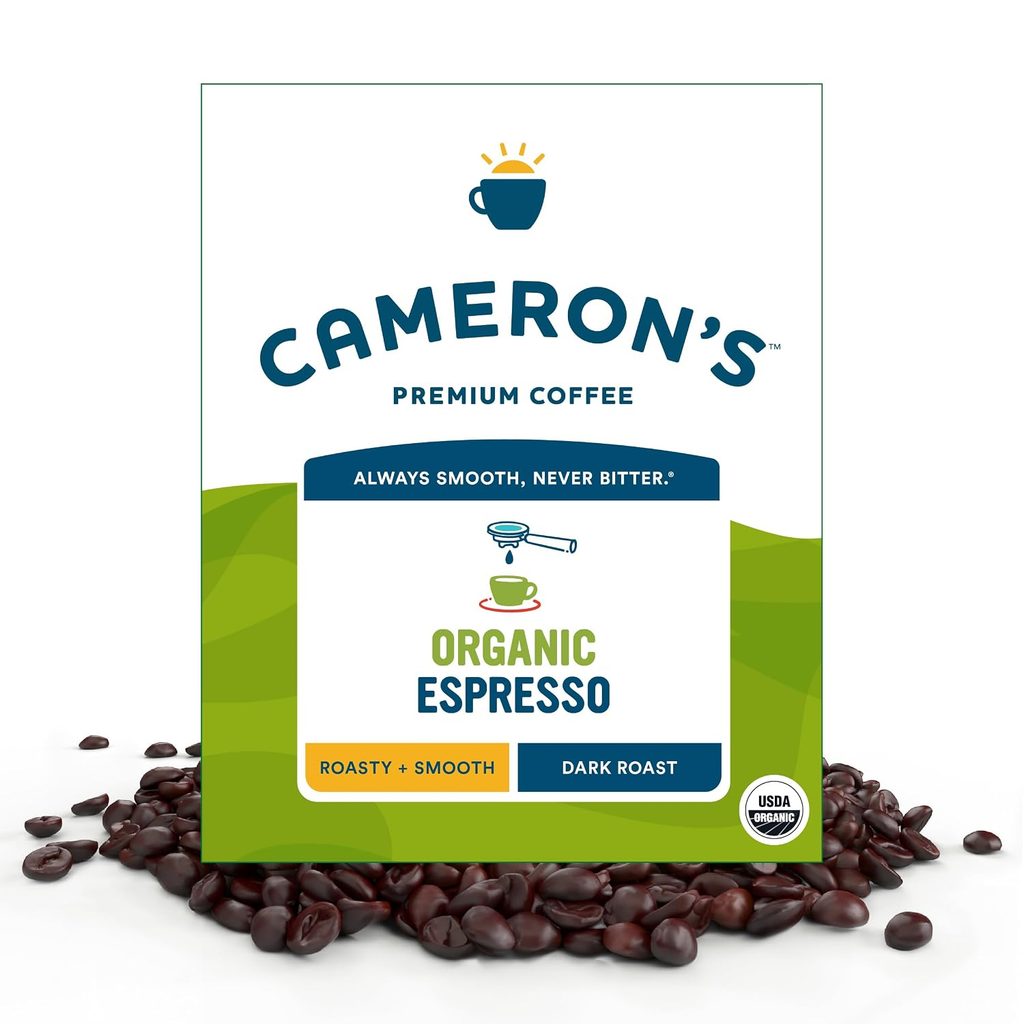
The basic idea is simple: steep coarsely ground coffee in cold water for a long time. This slow extraction pulls out the coffee’s flavors and caffeine without the acidity or bitterness that hot brewing can sometimes cause. The result is a smooth, highly caffeinated liquid that you dilute to your taste. Once you have your concentrate, you can make iced coffees, lattes, or even use it in recipes all week long.
How To Make Cold Brew Coffee Concentrate
This section covers the classic, foolproof method. You don’t need any fancy equipment to get started, just a few basics.
What You’ll Need:
* Coffee: 1 cup of coarsely ground coffee beans (about 80-100 grams). Use a high-quality bean you enjoy, as the flavor really shines through.
* Water: 4 cups of cold, filtered water (about 950 ml).
* Container: A large jar, pitcher, or French press. Anything that holds 1.5 quarts/liters and has a lid or cover.
* Stirring Utensil: A spoon or chopstick.
* Filtering Device: A fine-mesh sieve, cheesecloth, a coffee filter, or your French press plunger.
Step-by-Step Brewing Instructions
Follow these numbered steps for a perfect batch every single time.
1. Grind Your Coffee. Start with whole bean coffee and grind it to a coarse consistency, similar to breadcrumbs or sea salt. A coarse grind is crucial—if it’s too fine, your concentrate will be muddy and over-extracted.
2. Combine Coffee and Water. Add the coarse grounds to your clean container. Slowly pour the cold, filtered water over them, ensuring all the grounds are fully saturated. Gently stir with a spoon to make sure there are no dry clumps.
3. Steep. Cover the container loosely. You can use a lid but don’t seal it airtight, as gases will release during brewing. Let it sit at room temperature for 12 to 24 hours. The sweet spot for most people is around 18 hours. A longer steep makes a stronger, more extracted concentrate.
4. Strain. This is the most important step. Place your fine-mesh sieve (lined with cheesecloth or a coffee filter if you have one) over a large bowl or pitcher. Slowly pour the coffee mixture through to catch the grounds. You may need to do this in batches. If using a French press, simply press the plunger down slowly.
5. Filter Again (Optional but Recommended). For a super-smooth, sediment-free concentrate, do a second filtration through a paper coffee filter. This takes a bit longer but is worth it for clarity.
6. Store. Transfer your finished cold brew coffee concentrate to a clean bottle or jar with a tight-sealing lid. It will keep in the refrigerator for up to two weeks.
Choosing Your Coffee Beans
The bean you choose defines the flavor of your concentrate. There’s no single “best” bean, but here are some guidlines.
* Roast Level: Medium to dark roasts are very popular for cold brew. They tend to produce chocolatey, nutty, or caramel notes that taste great chilled. Light roasts can work too, offering brighter, more fruity tones, but they might retain a hint more acidity.
* Origin: Beans from Brazil or Sumatra often give those classic, smooth cold brew flavors. Experiment with single-origins or blends to find your favorite.
* Freshness: Always use freshly roasted beans and grind them just before brewing for the absolute best flavor. Pre-ground coffee can be used in a pinch, but it won’t be as vibrant.
Grind Size: Why Coarse is Non-Negotiable
Using a coarse grind is the most critical tip after the recipe itself. Fine grounds over-extract quickly, even in cold water, leading to a bitter and astringent concentrate. They also create a sludge that’s incredibly difficult to filter out. A consistent coarse grind ensures a clean, smooth extraction and makes the straining process simple.
Mastering the Steeping Time
Steeping time is your main control for flavor strength.
* 12-14 Hours: A lighter, smoother concentrate with brighter notes. Good if you find standard cold brew too strong.
* 15-18 Hours (Recommended): The ideal range for a balanced, full-flavored concentrate with low acidity.
* 20-24 Hours: A stronger, more intense, and sometimes more bitter concentrate. Try this if you want maximum potency or are using a very light roast.
Always steep at room temperature. Steeping in the fridge takes twice as long and can result in a flatter flavor profile.
Perfecting Your Dilution Ratios
Your concentrate is powerful stuff. Drinking it straight is not recommended for most people! Dilution is where you customize your drink.
A standard starting ratio is 1:1 (one part concentrate to one part water or milk). Adjust to your taste:
* Strong Iced Coffee: 1:1 ratio with water over ice.
* Light Iced Coffee: 1:2 ratio (concentrate to water).
* Cold Brew Latte: 1:1 ratio with milk or a milk alternative. Add a sweetner if you like.
* For Cooking: Use the concentrate straight in recipes like coffee rubs, brownies, or tiramisu for a deep coffee flavor.
The beauty is, you can adjust each glass you make. Start with the 1:1 ratio and add more water or milk until it tastes just right for you.
Advanced Flavoring & Customization
Once you’ve mastered the basic recipe, you can get creative with flavors during the steeping process.
* Spices: Add a cinnamon stick, a few whole cloves, or cardamom pods to the grounds before adding water.
* Citrus: Add a few strips of orange or lemon peel (just the zest, not the white pith) for a bright twist.
Vanilla: Toss in a whole, split vanilla bean or use 1-2 teaspoons of pure vanilla extract after straining.
* Cacao Nibs: A tablespoon of cacao nibs steeped with the coffee adds a wonderful chocolate undertone.
Remember to strain these additions out along with the coffee grounds. Always add extracts or syrups after the concentrate is finished, not before steeping.
Storing Your Concentrate for Freshness
Proper storage keeps your cold brew tasting great for the full two weeks.
* Use a Clean, Airtight Container: Glass bottles or mason jars with a good seal are perfect.
* Always Refrigerate: Keep it in the coldest part of your fridge, not in the door.
* Check for Freshness: If it develops an off smell, a funky taste, or visible mold, discard it immediately. This is rare if you use clean equipment.
* Freezing for Long-Term Storage: Pour concentrate into an ice cube tray. Once frozen, transfer the cubes to a freezer bag. They’re perfect for iced coffees that won’t get watered down, or you can thaw a batch for later use.
Troubleshooting Common Problems
Even simple processes can have hiccups. Here’s how to fix common issues.
* Concentrate tastes weak: Use more coffee next time, use a finer grind (but still coarse!), or steep for longer.
* Concentrate tastes bitter or harsh: Your grind is probably too fine, you steeped for too long, or your water temperature was too warm. Use a coarser grind and shorten the steeping time.
* Too much sediment in the final product: Your filtration wasn’t fine enough. Always do a second pass through a paper coffee filter. Also, ensure your grind isn’t too fine.
* It tastes sour or funky: This could be from using stale coffee, unclean equipment, or steeping in a place that was too warm. Always start with fresh beans and clean everything thoroughly.
The French Press Shortcut
A French press is arguably the easiest tool for making cold brew. Combine grounds and water in the beaker, steep, then press the plunger down. It filters as you press. For an even cleaner result, pour the pressed concentrate through a paper filter afterward. It’s a one-vessel method that simplifies cleanup.
FAQs About Cold Brew Coffee Concentrate
Is cold brew concentrate stronger than regular coffee?
Yes, but in a different way. Ounce for ounce, the concentrate has much more caffeine and coffee solids than regularly brewed hot coffee because it’s designed to be diluted. When diluted properly, a cup of cold brew can have comparable or slightly more caffeine than a cup of hot coffee.
How long does homemade cold brew concentrate last?
When stored in a sealed container in the refrigerator, homemade cold brew concentrate is at its best for about 10-14 days. After two weeks, the flavor will start to degrade and become stale.
Can I use hot water to make cold brew faster?
No. Using hot water defeats the entire purpose. The “cold” in cold brew refers to the extraction process, which uses time instead of heat to pull flavor from the beans. Using hot water will result in a bitter, over-extracted coffee that lacks the signature smooth, low-acid profile of true cold brew.
What’s the difference between cold brew and iced coffee?
This is a common confusion. Iced coffee is simply hot-brewed coffee that has been cooled and poured over ice. Cold brew is never heated—it is brewed slowly in cold water, which creates a fundamentally different (and usually smoother, less acidic) flavor profile.
Why is my cold brew concentrate cloudy?
Cloudiness is usually caused by fine coffee particles suspended in the liquid. To fix it, always use a coarse grind and filter thoroughly, ideally with a paper filter as a final step. A little cloudiness won’t affect taste, but a paper filter will make it crystal clear.
Can I make cold brew with decaf beans?
Absolutely! The process is exactly the same. You’ll get all the smooth, rich flavor of cold brew without the caffeine, which is a great option for evening drinks.
Making your own concentrate is a rewarding habit. It saves money compared to coffee shop prices, reduces waste from single-use packaging, and gives you complete control over the strength and flavor of your daily coffee. With a little planning, you can ensure you always have a bottle of smooth, refreshing coffee ready in your fridge. Start with the basic 1:4 ratio, and don’t be afraid to adjust the next batch to better suit your perferences. The perfect cup is just a steep away.