
If you’re wondering how long do coffee makers last, you’re not alone. It’s a common question for anyone who depends on their daily brew. The answer isn’t just one number, as it depends heavily on the type of machine, how you use it, and how well you maintain it. This guide will break down the lifespan of every major kind of coffee maker and give you practical tips to make yours last as long as possible.

How Long Do Coffee Makers Last
On average, a standard drip coffee maker lasts between 3 to 5 years. However, this is a broad estimate. Some basic models might give out sooner, while high-end or meticulously maintained machines can chug along for a decade or more. The lifespan varies dramatically based on the technology inside. Understanding what wears out and why is the first step to getting the most from your investment.
Key Factors That Determine Coffee Maker Lifespan
Several things work together to decide how long your machine will function. Here are the big ones:
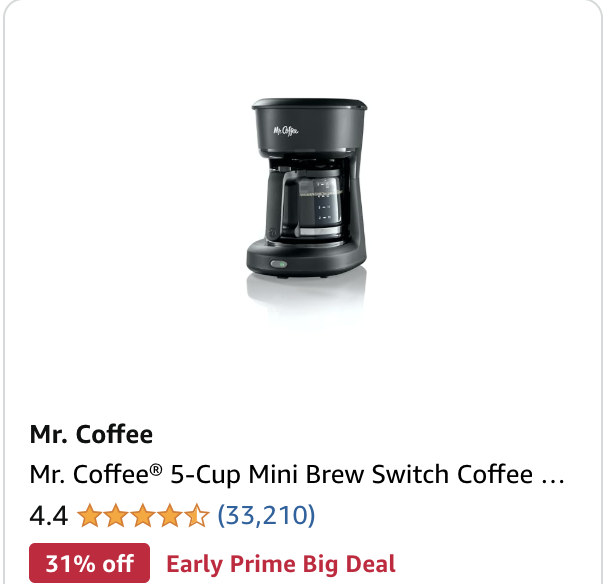
- Build Quality & Materials: A machine with a stainless steel boiler and internal components will almost always outlast one with plastic parts, especially in areas that get hot.
- Usage Frequency: A machine used twice daily by a family will experience more wear than one used once a day by a single person.
- Water Quality: Hard water is the #1 enemy of coffee makers. Mineral scale (limescale) builds up inside, clogging tubes, valves, and heating elements, forcing them to work harder and eventually fail.
- Maintenance Routine: This is the factor you control. Regular cleaning and descaling is the single most effective way to extend your coffee maker’s life.
- Initial Cost & Brand: While not always true, a higher upfront cost often reflects better components and engineering. Reputable brands typically offer better support and parts availability.
Lifespan by Coffee Maker Type
Not all coffee makers are created equal. Here’s a detailed look at how long you can expect different types to last.
Standard Drip Coffee Makers
These are the most common machines found in homes. They are relatively simple, which can be a good thing. With proper care, a good quality drip brewer can last 5 to 8 years. The main failure points are the heating element, the water pump, and the thermal carafe if it has one. Cheaper models might only make it 2-3 years with daily use.
Single-Serve Pod Machines (Keurig, Nespresso)
Pod machines are convenient but mechanically complex. Their average lifespan is shorter, typically 3 to 5 years. They have more parts that can fail: the piercing needle, water pump, high-pressure pump (for Nespresso), and internal seals. Mineral scale is a huge problem because of the small, precise waterways.
Espresso Machines
This category has the widest range. A basic entry-level pump espresso machine might last 2 to 4 years with daily use. A high-quality semi-automatic machine with a brass or stainless steel boiler can easily last 5 to 10+ years, especially if it’s serviced occasionally. Super-automatic machines, with their grinders and milk systems, are complex and may require more repairs over a 5-8 year period.
French Press and Pour-Over
These are manual methods with no electronics or heating elements. A French press made of stainless steel or durable glass can literally last a lifetime if you don’t break the carafe or lose the plunger. The same goes for a ceramic or metal pour-over cone. Their “lifespan” is virtually indefinite.
Percolators and Stovetop Moka Pots
Stovetop Moka pots, made from aluminum or stainless steel, are incredibly durable. With occasional replacement of the gasket, they can last for decades. Electric percolators have a heating element, so their lifespan is more akin to a drip maker, around 5 years or so.
Warning Signs Your Coffee Maker is Nearing the End
How can you tell if your machine is on its last legs? Watch for these red flags:
- Slower Brewing: It takes noticeably longer to brew a full pot than it used to. This often indicates scale buildup or a failing pump.
- Inconsistent Temperature: Your coffee is lukewarm or not as hot as it should be. The heating element is likely failing.
- Leaks: Water or coffee pooling under or around the machine is a bad sign. Internal seals or hoses are probably cracked.
- Strange Noises: New grinding, gurgling, or screeching sounds that weren’t there before signal mechanical distress.
- Error Messages or Failure to Start: On digital models, persistent error codes or a complete failure to power on usually means a critical component has failed.
- Bad-Tasting Coffee: If your coffee tastes off or metallic even after a thorough cleaning, internal parts may be degrading and leaching flavors.
Step-by-Step Maintenance to Extend Your Coffee Maker’s Life
Regular maintenance is the key to longevity. Follow these steps to keep your machine running smoothly for years.
Daily and Weekly Care
These quick habits make a huge difference.
- Empty the Carafe and Basket: Don’t let old coffee or wet grounds sit in the machine. Rinse them out after each use.
- Wipe Down Exteriors: Use a damp cloth to clean the warming plate, housing, and any spills. This prevents sticky residue buildup.
- Wash Removable Parts: Every week, wash the carafe, brew basket, and lid in warm, soapy water. For mineral deposits, use vinegar or a citric acid solution.
The Essential Monthly Descaling
Descaling removes the mineral buildup that damages your machine. Here’s how to do it:
- Check your manual for specific instructions, as some manufacturers advise against vinegar.
- Fill the water reservoir with a 50/50 mix of white vinegar and water (or a commercial descaling solution).
- Run a brew cycle without coffee grounds. Pause halfway and let the solution sit in the reservoir for 30 minutes.
- Complete the cycle. Then, run 2-3 cycles with fresh water only to rinse out any vinegar taste.
Deep Cleaning Every 3-6 Months
Go beyond descaling for a thorough clean.
- Soak all removable parts in a vinegar solution.
- Use a small brush or pipe cleaner to clean the water reservoir’s nooks and the shower head (where water drips onto the grounds).
- For pod machines, use a dedicated cleaning kit to clear the needle and internal tubing.
When to Repair vs. When to Replace
Facing a broken machine? Use this simple decision guide.
Consider Repairing If:
- The machine is less than halfway through its expected lifespan.
- The repair cost is less than 50% of the price of a comparable new model.
- The issue is a common, fixable part like a carafe, gasket, or simple valve.
- It’s a high-end model where replacement parts are readily available.
Consider Replacing If:
- The machine is already past its average lifespan and has multiple issues.
- The repair cost approaches or exceeds the cost of a new one.
- The critical component (like the main board or sealed boiler) has failed.
- You can’t find parts or a qualified technician.
- You want to upgrade to a newer features or technology.
Tips for Buying a Durable Coffee Maker
If you’re shopping for a new machine, keep these points in mind to get one that will last.
- Prioritize Build Quality: Look for stainless steel internal tanks over plastic. Feel the weight; a heavier machine often indicates more robust materials.
- Check for a Good Warranty: A longer warranty (2-3 years) suggests the manufacturer has confidence in their product’s durability.
- Research Brand Reputation: Read reviews focusing on long-term reliability, not just initial impressions. Some brands are known for better customer service.
- Consider Your Water: If you have hard water, invest in a machine with a built-in water filter or a strong descaling alert system. Better yet, use filtered or softened water from the start.
- Avoid Unnecessary Complexity: More features (digital displays, programmable settings, built-in grinders) mean more things that can potentially break. Choose the simplest machine that meets your needs.
FAQ: How Long Do Coffee Makers Last
What is the average life of a coffee maker?
The average lifespan is 3-5 years for most automatic drip and pod machines. Manual methods like French presses last indefinitely.
How can I make my coffee machine last longer?
The number one tip is regular descaling with vinegar or a descaling solution. Also, clean removable parts weekly and use filtered water if possible.
Why did my coffee maker stop working so fast?
Hard water scale buildup is the most common culprit. Lack of cleaning, using it multiple times daily, or a manufacturing defect could also be reasons.
Is it worth repairing a 5 year old coffee maker?
It depends on the repair cost and the machine’s original quality. For a high-end model, a simple repair is often worth it. For a basic $50 machine, replacement is usually more economical.
How often should you buy a new coffee maker?
You should buy a new one when your current machine fails and the cost of repair doesn’t make sense, or when it no longer brews coffee at the proper temperature despite cleaning.
Do more expensive coffee makers last longer?
Generally, yes. Higher-priced models often use more durable materials like metal instead of plastic for key components, which can significantly extend there lifespan.
Final Thoughts on Maximizing Your Brew
Knowing how long do coffee makers last empowers you to take better care of your appliance. While no machine lasts forever, your daily habits directly impact its longevity. Consistent cleaning, using good water, and adressing small issues early are the secrets to enjoying hot, fresh coffee for many years. By choosing a well-built machine and maintaining it properly, you can easily push its life toward the upper end of its range, making every cup a little more satisfying.