
You might be wondering what’s the difference between espresso beans and coffee beans. It’s a common question, and the answer is simpler than you might think, but also a bit more interesting.
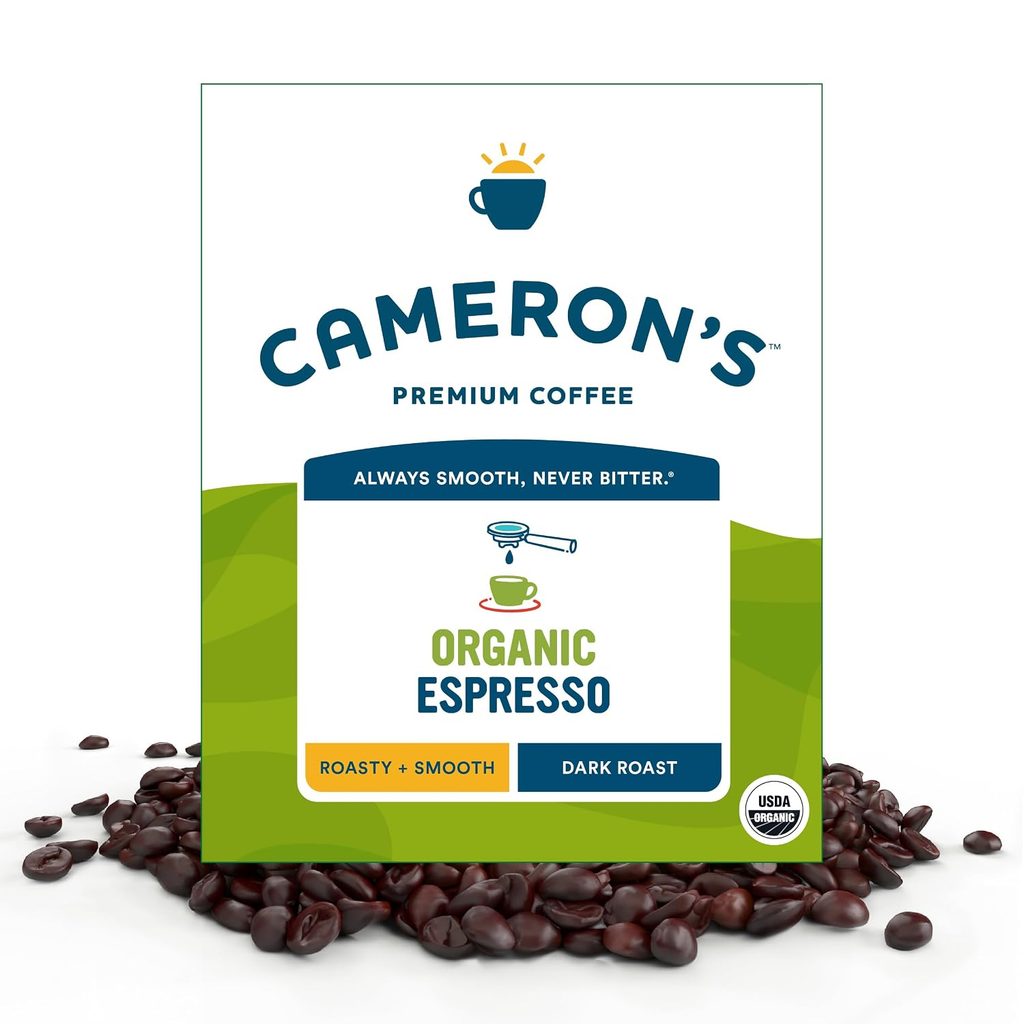
Let’s clear this up right away. There is no specific coffee plant that grows “espresso beans.” All coffee beans come from the same plant species, mainly Arabica or Robusta. The terms refer to how the beans are roasted, ground, and ultimately brewed. So, the real difference is in the preparation, not the bean itself.
Espresso Beans And Coffee Beans
This heading might seem confusing now, but it’s a common phrase used to describe beans intended for espresso brewing. In reality, any coffee bean can be used to make espresso if it’s roasted and ground correctly. The label “espresso beans” on a bag is the roaster’s recommendation for how that particular roast will perform under the high pressure of an espresso machine.
The Core of the Matter: It’s All About the Roast
The most significant factor separating your average drip coffee from a shot of espresso is the roast profile. This is where the journey diverges.
Beans labeled for espresso are typically roasted darker. A longer, hotter roast brings out oils and creates a bolder, less acidic flavor that can stand up to milk in drinks like lattes. It also makes the bean more brittle, which is crucial for the fine grind espresso requires.
Beans for regular coffee, often called “filter” or “drip” roast, are usually roasted lighter or to a medium level. This preserves more of the bean’s original character, like fruity or floral notes, and higher acidity. These subtleties are easier to taste in slower brewing methods.
Key Roast Differences:
- Espresso Roast: Darker, oilier surface, bold & chocolaty flavors, lower acidity.
- Filter/Drip Roast: Lighter, dry surface, brighter & complex flavors, higher acidity.
The Grind: Size Matters More Than You Think
You cannot use the same grind for all coffee makers. The grind size is what allows water to extract flavor properly for each method.
Espresso requires a very fine grind, almost like powdered sugar. This is because the brewing time is very short (25-30 seconds), but the pressure is extremely high. The fine grind creates resistance, allowing the water to extract flavor quickly and efficiently.
For regular drip coffee, you need a medium grind, similar to coarse sand. The water passes through the grounds by gravity over several minutes, so a coarser grind prevents over-extraction and a bitter taste.
What Happens If You Use the Wrong Grind?
- Fine grind in a drip machine: Water flows too slow, over-extracts, tastes bitter and muddy.
- Coarse grind in an espresso machine: Water flows too fast, under-extracts, tastes sour and weak.
Brewing Method: Pressure vs. Gravity
This is the defining technical difference. Espresso is not just strong coffee; it’s coffee made by a unique process.
Espresso is brewed by forcing a small amount of nearly boiling water under high pressure (around 9 bars) through finely-ground coffee. This creates a concentrated, syrupy beverage with a layer of crema on top—that golden-brown foam that holds the aroma.
Regular coffee, like drip or pour-over, uses gravity. Hot water soaks through the grounds, slowly extracting flavors as it drips into a pot or cup. It produces a larger volume of a less concentrated drink.
Flavor Profile and Concentration
The different processes lead to distinct experiences in your cup.
A well-made espresso is a concentrated, full-bodied shot. It should have a balance of sweetness, bitterness, and acidity. It’s meant to be savored in small quantities and often serves as the base for milk drinks.
Regular coffee is more diluted and mellow. You get a larger cup to sip, and the flavor profile can showcase a wider range of the bean’s origin notes, from citrusy to nutty.
Can You Swap Them? A Practical Guide
Yes, you can experiment! Understanding the rules lets you break them creatively.
Using “Espresso Beans” in a Regular Coffee Maker
You absolutely can. A dark roast labeled for espresso will make a strong, bold, and likely less acidic pot of drip coffee. It’s a great choice if you prefer a heavier, chocolatey flavor in your morning mug. Just remember to use a medium grind suitable for your coffee maker.
Using “Coffee Beans” in an Espresso Machine
This is trickier but can be rewarding. A light or medium roast run through an espresso machine can yield amazing, complex shots with bright acidity and fruity notes. However, these beans are harder to extract properly under pressure. You’ll likely need a finer grind and precise timing to avoid a sour shot. It’s a fun challenge for enthusiasts.
How to Choose the Right Beans for You
Don’t get hung up on the label. Follow this simple decision tree.
- Choose by your brewer: For espresso machines, start with a medium-dark to dark roast. For drip, French press, or pour-over, start with a light to medium roast.
- Choose by your flavor preference: Like strong, robust, chocolatey flavors? Go darker. Prefer brighter, tea-like, fruity flavors? Go lighter.
- Choose by freshness: This is the most important rule. Always buy whole beans from a local roaster with a “roasted on” date, and use them within a month. Pre-ground coffee loses flavor fast.
Step-by-Step: Grinding Beans for Different Brews
If you buy whole beans, you need a good grinder. Here’s how to approach it.
- Invest in a burr grinder (not a blade grinder). It creates consistent particle size.
- For Espresso: Set to a very fine setting. The grounds should clump slightly when pinched.
- For Drip Coffee: Set to a medium setting. It should look like coarse sand or sea salt.
- For French Press: Set to a coarse setting. The grounds should be clearly distinguishable.
- Grind only what you need immediately before brewing for the best flavor.
Common Myths About Espresso and Coffee Beans
Let’s bust some popular misconceptions.
- Myth 1: Espresso has more caffeine. Not necessarily per serving. A 1-oz espresso shot has about 63 mg of caffeine. An 8-oz coffee has about 95 mg. However, espresso has more caffeine per ounce because it’s concentrated.
- Myth 2: Espresso is a type of bean. As we now know, it’s a brewing method.
- Myth 3: You need oily, dark beans for good espresso. While common, many fantastic espressos are made with medium roasts that aren’t oily at all.
- Myth 4: Pre-ground “espresso” is fine for machines. It’s not ideal. Pre-ground loses freshness and is rarely fine enough for proper extraction, leading to weak shots.
Storing Your Beans Correctly
Good beans go bad with poor storage. Keep them fresh.
- Store in an airtight container.
- Keep them in a cool, dark place (not the refrigerator or freezer, as moisture and odors are problems).
- Buy in small quantities you’ll use within 2-4 weeks of the roast date.
- Avoid clear canisters that let in light.
FAQs: Your Quick Questions Answered
Can I use regular coffee beans to make espresso?
Yes, you can. Any coffee bean can be used in an espresso machine. The result will be different from a traditional dark roast espresso, often brighter and more acidic, which some people really enjoy. It’s all about personal taste.
Is espresso just stronger than coffee?
It’s more concentrated than stronger. Because you’re extracting flavors with pressure quickly, you get a thicker, more syrupy beverage with a different chemical profile (including crema) compared to drip coffee. Ounce for ounce, it’s stronger, but a standard serving is much smaller.
Why do they sell beans labeled “espresso blend”?
An “espresso blend” is a mix of beans from different origins crafted by a roaster to taste balanced and pleasant when brewed as espresso. They often combine beans for sweetness, body, and acidity. A “single origin” might be used for filter coffee to highlight a specific region’s unique flavor, but this is a guideline, not a strict rule.
Do I need a special grinder for espresso?
It’s highly recommended. Espresso requires a very fine, very consistent grind. Cheap blade grinders or even entry-level burr grinders often can’t achieve the fine, uniform texture needed for a good extraction. A quality burr grinder with fine adjustments is key for espresso.
What is crema and is it important?
Crema is the golden-brown foam on top of a freshly pulled espresso shot. It’s formed by emulsified oils and gases. Good crema indicates fresh beans and a proper extraction. While it looks nice and carries aroma, it’s not the sole indicator of a great-tasting shot, but it’s a good sign.
Final Thoughts: It’s About Your Taste
At the end of the day, the best coffee is the coffee you enjoy the most. The labels “espresso” and “coffee” beans are helpful starting points, but they shouldn’t limit you.
Feel free to try a dark “espresso” roast in your French press or a light “filter” roast in your espresso machine. You might discover a new favorite. The most critical factors are always freshness, a proper grind for your brewer, and clean equipment. Now that you know the real difference, you can shop and brew with much more confidence.