
You might be wondering how do you make cuban coffee. This strong, sweet espresso is a cultural staple, and learning to prepare it is simpler than you think.
It’s all about the technique and the right tools. With a few key items, you can bring the vibrant flavor of a Cuban café into your own kitchen. Let’s get started.
How Do You Make Cuban Coffee
Making authentic Cuban coffee, or café cubano, involves a specific process. It starts with brewing a very dark roast espresso and combining it with sugar to create a sweet, frothy foam called espuma. This foam is the signature of a perfect cup.
You don’t need a fancy machine, but you do need the right approach. The goal is a small, powerful shot that’s both bitter and sweet. It’s meant to be shared and enjoyed quickly.
The Essential Equipment You’ll Need
Gathering your tools first makes everything easier. You probably have some of these already.
- An Espresso Maker: A stovetop cafetera (Moka pot) is traditional and affordable. A standard electric espresso machine works great too.
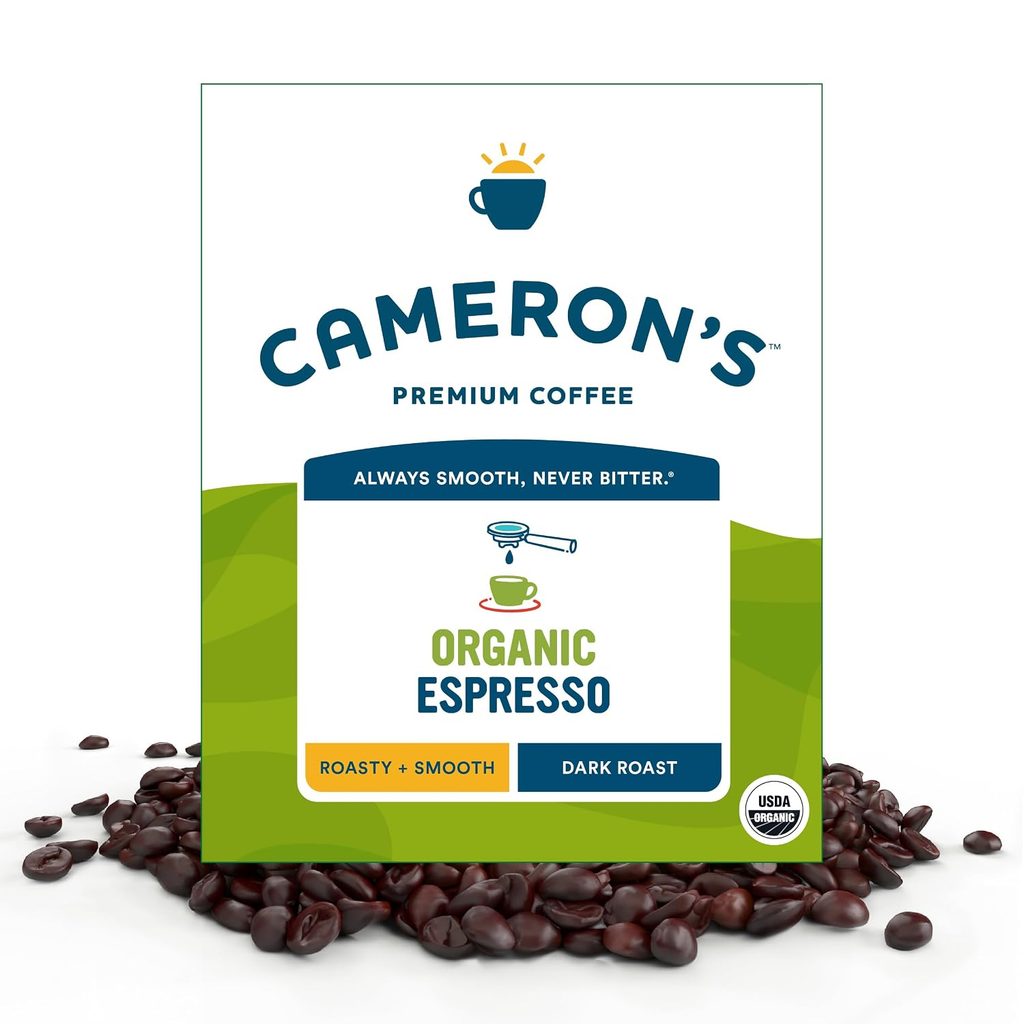
- Finely Ground Coffee: Use a dark roast, preferably labeled “Cuban” or “Espresso.” The grind should be like table salt.
- Demitasse Cups: These small cups are used for serving espresso. Small coffee cups or even shot glasses can work in a pinch.
- A Measuring Spoon: For consistent coffee grounds.
- A Small Whisk or Spoon: Crucial for making the espuma. A teaspoon is the classic tool.
Choosing the Right Coffee Beans
The coffee is the star. Authentic Cuban coffee uses a dark, dark roast. The beans are often Robusta or a Robusta-Arabica blend, which gives it that intense, bold crema and caffeine kick.
If you can’t find a brand labeled “Cuban,” look for any Italian or Spanish-style espresso roast. The key is a very dark, oily bean. Pre-ground is fine if you use it quickly, but freshly grinding beans just before brewing gives the best aroma.
Why Sugar is Non-Negotiable
In Cuban coffee, sugar isn’t just a sweetener—it’s an ingredient. Granulated white sugar is used to create the espuma. The hot espresso partially dissolves and aerates the sugar, creating a thick, caramel-colored foam that sits on top.
This process changes the flavor profile, mellowing the bitterness without just making it taste sweet. You can adjust the amount, but you can’t skip the step of creaming the sugar with the first drops of coffee.
Step-by-Step Brewing Instructions
Follow these steps closely for an authentic result. Take your time with the espuma; it’s the most important part.
Step 1: Prepare Your Cafetera
- Unscrew the bottom chamber of your Moka pot.
- Fill the bottom with fresh, cold water up to the safety valve.
- Insert the filter basket and fill it with finely ground coffee. Do not tamp it down; just level it off gently.
- Screw the top chamber on tightly. Ensure the pot is sealed good to prevent steam leaks.
Step 2: Brew and Create the Espuma
- Place the Moka pot on a stove burner set to medium heat.
- As it heats, add 1-2 tablespoons of white sugar to your measuring cup or a small bowl.
- When the coffee begins to perk and the first dark drops come out, immediately catch them into the cup with the sugar.
- Quickly whisk or vigorously stir the sugar and initial coffee drops together. You’re aiming for a pale, thick, creamy paste.
- Let the rest of the coffee finish brewing into the Moka pot’s top chamber.
Step 3: Combine and Serve
- Once brewing is complete, pour the remaining hot coffee into the cup with your espuma.
- Stir gently to combine the foam with the liquid coffee underneath. The foam will rise to the top.
- Pour immediately into demitasse cups. The rich espuma should divide evenly on top of each serving.
Common Variations to Try
Cuban coffee isn’t just one drink. Once you master the basic cafecito, you can explore its popular variations.
Cortadito
This is a cafecito cut with a bit of steamed milk. To make one, prepare your cafecito as usual, then add an equal part of warm, steamed, or scalded milk. It’s a perfect morning bridge between straight espresso and a latte.
Café con Leche
The classic Cuban breakfast coffee. This is made by pouring a freshly made cafecito into a much larger cup that’s already filled with hot, scalded milk. The ratio is usually about 1 part coffee to 2 or 3 parts milk. It’s often served with toasted Cuban bread.
Colada
This is the social drink. A colada is a large portion of cafecito (4-6 servings) poured into a styrofoam cup with a stack of small plastic cups. It’s meant to be shared with friends, coworkers, or family. Everyone pours a small amount for themselves, enjoying the ritual together.
Troubleshooting Your Brew
Things don’t always go perfect the first time. Here’s how to fix common issues.
- Bitter or Burnt Taste: Your heat was too high. Always use medium heat on the stove. Also, never let the Moka pot sit on the heat after it’s finished gurgling; take it off immediately.
- Weak Espuma: You didn’t catch the very first drops of coffee for your sugar paste, or you didn’t stir it vigorously enough. The first drops are the strongest and hottest, which is essential for creaming the sugar.
- Coffee Tastes Watery: You may have used too coarse a grind, or didn’t fill the filter basket fully. Always use a fine espresso grind and level off the basket.
- Leaking or No Coffee Coming Out: Check that the pot is screwed together tightly and that the filter basket and gasket are clean and properly seated. Also, ensure you didn’t fill the water past the safety valve.
Serving and Cultural Etiquette
In Cuban culture, coffee is more than a drink—it’s a gesture of hospitality and community. A cafecito is often offered to guests as soon as they arrive. It’s served strong, sweet, and in small quantities, meant to be drunk quickly while it’s hot.
When serving, always offer it with a smile. If someone prepares a colada for a group, it’s customary to take just a small cup, thank the provider, and enjoy it standing together for a quick break. It’s a moment of connection.
Storing Your Coffee for Freshness
To keep your coffee tasting its best, store whole beans in an airtight container in a cool, dark place. Avoid the refrigerator or freezer, as moisture and odors can affect the beans flavor. Grind only as much as you need for each brewing session.
If you use pre-ground coffee, keep it in its original bag, tightly folded closed, or transfer it to a sealed container. Try to use it within one to two weeks of opening for the best taste.
Frequently Asked Questions
Can I make Cuban coffee without a Moka pot?
Yes, you can. An electric espresso machine is an excellent alternative. You can also try using an AeroPress with a fine metal filter to simulate espresso, though the body will be slightly different. The key is making a very strong, concentrated coffee.
What kind of sugar is best?
Plain white granulated sugar is traditional and works best for creating the espuma. Some people experiment with raw sugar or demerara, but they don’t dissolve and cream quite as easily and will alter the traditional flavor.
How much caffeine is in a cup?
A single cafecito (about 2 ounces) has roughly the same amount of caffeine as a full cup of regular drip coffee, because it’s so concentrated. So it’s a powerful little drink! The milk in a cortadito or café con leche doesn’t reduce the caffeine content.
Is Cuban coffee the same as espresso?
It’s very similar, but not identical. The brewing method for the coffee itself is essentially espresso. The defining difference is the espuma—the creamed sugar mixture that’s added during the brewing process. A regular espresso shot with sugar stirred in at the end is not quite the same.
Can I make a decaffeinated version?
Absolutely. Just use a high-quality dark roast decaf espresso bean. Follow all the same steps for grinding and making the espuma. The flavor profile will be very close, just without the caffeine kick.
Final Tips for Mastery
Practice makes perfect. Your first attempt might not have the perfect foam, but you’ll get better. Pay closest attention to the espuma step—it’s the heart of the drink.
Always start with fresh, cold water in your brewer. Never reuse grounds. And most importantly, share it. The true spirit of how do you make cuban coffee is found in offering it to someone else and enjoying that moment of pause together. Now you have the knowledge to create that experience anytime.