
If you’re wondering how much coffee grounds for 8 cups of coffee, you’re in the right place. Getting the ratio right is the key to a great pot, and it’s simpler than you might think.
This guide will give you the exact measurements you need. We’ll cover different brew methods, coffee styles, and how to adjust for your personal taste. Let’s make sure your next eight cups are perfect.
How Much Coffee Grounds For 8 Cups Of Coffee
The standard answer for a standard drip coffee maker is about 8 level scoops or 64 grams of coffee grounds for 8 cups of water. This follows the “Golden Ratio” recommended by many coffee experts.
But what does that really mean? Most coffee makers define a “cup” as 5 ounces, not the 8 ounces in a measuring cup. So, 8 cups on your machine is actually 40 ounces of water. It’s a common point of confusion.
The Standard Measurement for Drip Coffee Makers
For a 40-ounce pot (8 “cups” on your machine), here is the standard measurement:
- Water: 40 fluid ounces (5 cups using a liquid measuring cup).
- Coffee Grounds: 64 grams (or about 8 level tablespoons).
- Ratio: This is a 1:16 ratio (1 part coffee to 16 parts water).
If you use a standard coffee scoop, which holds about 2 tablespoons, you’ll need 8 scoops. Just make sure you’re using level scoops, not heaping ones, for consistency.
Why the Coffee-to-Water Ratio Matters
Using the correct ratio is what makes coffee balanced. Too few grounds and your coffee will taste weak and watery. Too many grounds and it can become bitter and overpowering.
The 1:16 ratio is a fantastic starting point. It’s approved by the Specialty Coffee Association for a good reason. It extracts the pleasent flavors from the beans without pulling out too much bitterness.
Adjusting the Ratio to Your Taste
Your perfect cup might be different. Here’s how to adjust:
- For Stronger Coffee: Use a 1:15 ratio. For 40 oz water, use about 68 grams of coffee.
- For Lighter Coffee: Use a 1:17 ratio. For 40 oz water, use about 60 grams of coffee.
Make small changes each time. Write down what you like so you can repeat it.
Measuring by Weight vs. Volume
A kitchen scale is the best tool for coffee. A tablespoon of a dark roast bean weighs less than a tablespoon of a light roast due to density. Weight is always accurate.
If you don’t have a scale, volume is fine. Just try to be as consistent as possible in how you fill your scoop.
Factors That Change Your Coffee Amount
Several things can affect how much coffee you should actually use. The standard measure is just a baseline.
Type of Roast
- Dark Roast: Beans are less dense. You might need a slightly heaped scoop by volume to get the same weight as a lighter roast.
- Light Roast: Beans are more dense. A level scoop is usually perfect.
Grind Size
The size of your coffee grounds is crucial. For a drip coffee maker, you want a medium grind, like coarse sand.
- Too Fine: Can lead to over-extraction and bitterness. You might need to use a tiny bit less.
- Too Coarse: Can lead to under-extraction and sourness. You might need to use a tiny bit more.
Your Brewing Method
Not everyone uses a drip machine. Here’s how much coffee grounds for 8 cups of coffee in other popular methods.
For a French Press (Making 34 oz, close to 8 “cups”)
French press uses a coarser grind and a stronger ratio. For about 34 ounces of water (a standard large press), use:
- Coffee: 70-75 grams (a 1:14 or 1:15 ratio).
- Grind: Coarse.
For Pour-Over (Making 40 oz total)
This is typically brewed in batches. For a 40-ounce yield using a Chemex or V60:
- Coffee: 62-70 grams (a 1:16 to 1:17 ratio is common).
- Grind: Medium-fine to medium.
For a Cold Brew Concentrate
Cold brew is a different beast. It’s a concentrate meant to be diluted. For a batch that yields about 8 cups of ready-to-drink coffee:
- Coffee: 115-150 grams (a 1:4 to 1:5 ratio for the concentrate).
- Water: 40 oz for steeping.
- Result: Dilute the finished concentrate 1:1 with water or milk.
Step-by-Step Guide for a Perfect 8-Cup Pot
Follow these simple steps for reliable results every single time.
- Measure Your Water: Use fresh, cold water. Measure 40 ounces (5 cups) using a liquid measuring cup.
- Measure Your Coffee: Weigh out 64 grams of coffee. If using scoops, use 8 level tablespoons.
- Grind Your Beans: Grind to a medium consistency right before brewing for the freshest taste.
- Prepare the Machine: Add the water to the reservoir and the grounds to the filter. Make sure the filter is seated correctly.
- Brew and Serve Immediately: Start the brew cycle. Pour your coffee right away to avoid it sitting on the hot plate too long, which can make it taste burnt.
Common Mistakes to Avoid
- Using old, stale coffee beans or pre-ground coffee from months ago.
- Not cleaning your coffee maker regularly. Oils build up and make coffee taste bad.
- Letting the pot sit on the warming plate for more than 20-30 minutes.
- Using the wrong grind size for your machine. This is a very common error.
FAQs: Your Coffee Questions Answered
How many tablespoons of coffee for 8 cups?
For an 8-cup (40 oz) drip coffee maker, you need about 16 tablespoons or 8 standard coffee scoops (2 tbsp each) of ground coffee. This assumes a medium grind and a standard strength preference.
Is 8 cups of coffee 40 ounces?
Yes, in the world of coffee makers, it usually is. Most machines consider a “cup” to be 5 fluid ounces. So, 8 cups on the machine’s setting equals 40 total ounces of water. Always check your manual to be sure.
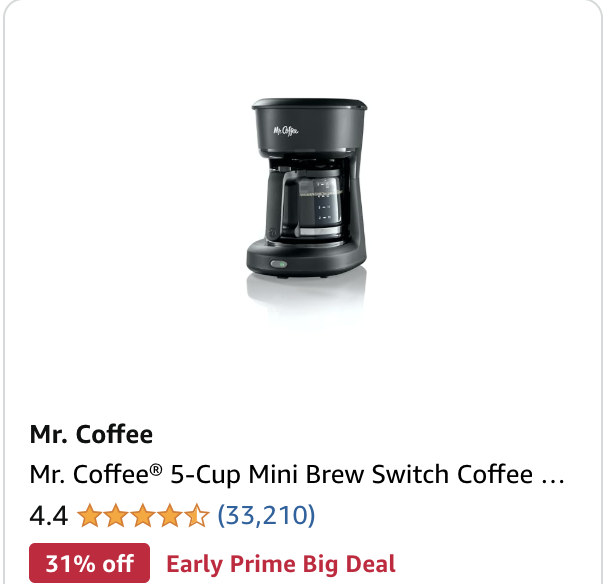
How much coffee for 8 cups in a Mr. Coffee?
Mr. Coffee machines follow the standard. Use 8 level scoops (using the scoop that often comes with it) for the 8-cup mark on the carafe. That’s about 64 grams of coffee for 40 ounces of water.
Can I use less coffee grounds for 8 cups?
You can, but your coffee will be weaker. If you find the standard too strong, try reducing to 56-60 grams (7 to 7.5 scoops) first. It’s better to adjust slightly than to waste coffee by making a pot you don’t enjoy.
Why does my 8-cup pot of coffee taste bitter?
Bitterness usually means over-extraction. This can be caused by using too fine a grind, too many coffee grounds, water that is too hot, or letting it brew for too long. Try a slightly coarser grind or reducing your coffee by a few grams.
Tips for the Best Tasting Coffee
Beyond the measurements, a few extra steps make a huge difference.
Use Fresh, Quality Water
Your coffee is mostly water. If your tap water tastes bad, your coffee will too. Use filtered water if possible. Avoid distilled water, as it can make coffee taste flat.
Buy Whole Bean and Grind Fresh
Pre-ground coffee loses flavor quickly. Grinding whole beans just before brewing preserves the oils and aromas that make coffee taste great. A basic burr grinder is a good investment.
Store Your Beans Properly
Keep coffee beans in an airtight container at room temperature. Don’t store them in the fridge or freezer, as moisture and odors can ruin the flavor. Buy only what you’ll use in a week or two.
Clean Your Equipment
Run a vinegar solution or a commercial coffee maker cleaner through your machine monthly. Wash your carafe, filter basket, and any other parts with soapy water after each use. Old oils are the enemy of good coffee.
Troubleshooting Your Brew
If your coffee isn’t tasting right, here’s a quick guide to fix it.
Problem: Coffee is too weak or sour.
- Possible Cause: Under-extraction. Not enough coffee, grind too coarse, or water not hot enough.
- Fix: Increase coffee amount slightly, use a finer grind, or ensure your machine heats water to 195-205°F.
Problem: Coffee is too strong or bitter.
- Possible Cause: Over-extraction. Too much coffee, grind too fine, or brew time too long.
- Fix: Decrease coffee amount slightly, use a coarser grind, or check your machine’s cycle time.
Problem: Coffee tastes flat or stale.
- Possible Cause: Old beans, stale water, or a dirty machine.
- Fix: Use fresh beans and fresh water. Clean your coffee maker thoroughly.
Figuring out how much coffee grounds for 8 cups of coffee is the first step to mastering your morning routine. Remember the standard of 64 grams or 8 scoops for a 40-ounce drip pot as your starting point. From there, don’t be afraid to adjust based on your beans, your grind, and most importantly, your personal taste. With a little practice and attention to these details, you’ll be making a consistently excellent pot of coffee for you and your guests every single time.