
If you’ve ever wondered how many oz in a coffee mug, you’re not alone. It’s a simple question with a surprisingly complex answer, because not all mugs are created equal. The size can vary a lot, affecting everything from your caffeine intake to how you follow a recipe. This guide will help you figure out the standard sizes, how to measure your own mugs, and why it all matters for your daily brew.

How Many Oz In A Coffee Mug
So, what’s the standard? A typical coffee mug you’d use at home holds between 8 and 12 fluid ounces. However, this is just a common range. You’ll find mugs as small as 6 ounces (like a classic diner mug) and as large as 20 ounces or more (like big travel tumblers). The keyword here is “typical.” Your favorite chunky ceramic mug probably falls right in that 10-12 oz sweet spot.
Why Mug Size Matters So Much
It’s not just about quenching your thirst. The size of your mug directly impacts your coffee experience.
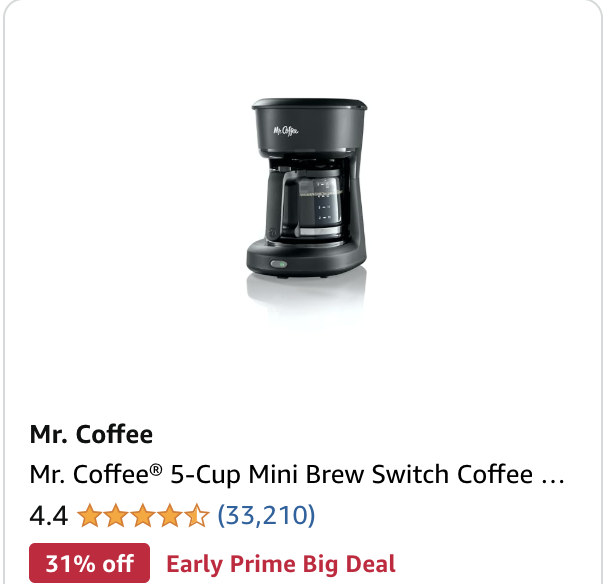
- Coffee Strength: Using a 12-ounce mug for a single-serve pod meant for 8 ounces makes a weak, disappointing coffee. Conversely, stuffing two servings into a small mug makes it too strong.
- Recipe Accuracy: Many recipes, especially for baked goods or sauces, call for “a cup of coffee.” They mean a standard 8-ounce measuring cup, not your 15-ounce superhero mug.
- Caffeine Management: Knowing your mug’s size helps you track your caffeine intake more accurately throughout the day.
- Milk and Sugar Ratios: Your perfect creamer-to-coffee ratio depends on knowing the total volume you’re working with.
Standard Coffee Mug Sizes Explained
Let’s break down the most common mug categories you’ll encounter.
Small (6-8 ounces)
Often called “diner” or “espresso” mugs. These are perfect for a straight espresso, a strong americano, or if you like to enjoy multiple fresh, hot cups. They’re also great for cappuccinos and lattes where milk foam needs room.
Medium (8-12 ounces)
The classic, all-purpose home mug. This size is the workhorse of kitchens worldwide. It comfortably holds a standard coffee maker’s “cup” (which is actually 5-6 oz) with a little room for cream. Most branded and decorative mugs fall into this range.
Large (12-16 ounces)
These are for those who like a big, long-lasting portion. Popular for morning commutes or when you need an extra boost. Many travel mugs start at this capacity. Be aware, a full 16-ounce mug contains two standard “cups” of coffee from a brewer perspective.
Extra-Large (16+ ounces)
Jumbo, bucket, or stadium mugs. These can hold 20, 24, or even 32 ounces. They’re designed for keeping coffee hot for hours or for serious caffeine lovers. They often have double-wall insulation and a lid.
How to Accurately Measure Your Coffee Mug’s Capacity
Don’t guess! Here’s a simple way to find out exactly how many ounces your mug holds.
- Grab a Liquid Measuring Cup: Use one that clearly shows fluid ounces (oz) or milliliters (mL).
- Fill Your Mug with Water: Pour water into the mug right to the very brim, where you would normally fill it to.
- Transfer to the Measuring Cup: Carefully pour the water from the mug into the measuring cup.
- Read the Volume: Note the measurement. That’s your mug’s true capacity. It’s a good idea to do this twice to be sure.
Remember, some mugs have a “fill line” inside, which indicates the safe capacity leaving room to prevent spills. You might want to measure both to the brim and to that line.
Coffee Maker “Cups” vs. Real Measuring Cups
This is a major source of confusion. Your coffee maker’s manual says it makes “12 cups.” But those are not 8-ounce cups.
- Coffee Maker “Cup”: In the coffee industry, one “cup” is traditionally 5-6 fluid ounces. It’s a smaller, European-style serving.
- Standard Measuring Cup: In cooking and baking, one “cup” is 8 fluid ounces.
So, a 12-cup coffee carafe actually yields about 60-72 ounces of coffee, not 96 ounces. This is crucial when planning how much coffee to make for guests.
Choosing the Right Mug Size for Your Drink
Matching your mug to your beverage makes it taste better.
For Drip or Pour-Over Coffee
A 10-12 ounce mug is ideal. It allows for the full volume of a standard serving (about 10-12 oz after brewing) and leaves a little space for additions without spilling.
For Espresso Drinks
- Espresso: A 2-3 oz demitasse or small mug.
- Cappuccino: A 6-8 oz cup to maintain the perfect one-third espresso, one-third milk, one-third foam ratio.
- Latte: An 8-12 oz mug or glass to accommodate more steamed milk.
For French Press or Cold Brew
These methods often produce stronger coffee meant to be savored. A 8-10 oz mug is good, as you might drink it slower or dilute it slightly.
For Tea
Standard tea cups are often smaller, around 6-8 ounces, to allow the tea to steep properly and cool to a drinkable temperature quickly. But a standard mug works fine too.
The Impact of Mug Shape and Material
It’s not just about volume. The mug’s design changes your coffee’s journey.
- Wide, Shallow Mugs: Coffee cools faster due to more surface area. Great for those who drink quickly or prefer cooler temps.
- Tall, Narrow Mugs: Retain heat longer. The heat has less surface to escape from, keeping your drink warm.
- Ceramic vs. Porcelain: Ceramic is thicker and insulates better. Porcelain is thinner and more elegant, but cools faster.
- Double-Wall Insulated: These mugs (often metal or plastic) are champions at keeping heat in (or out, for cold drinks). They prevent condensation on the outside.
Travel Mugs and Tumbler Sizes
Travel mugs have their own standard sizes, usually leaning larger. Common sizes are 12 oz, 16 oz, 20 oz, and 24 oz. The 16-ounce size is perhaps the most popular, as it fits in most car cup holders and matches a “grande” at many coffee shops. Always check the listed capacity when buying one, and remember they often have a max fill line below the actual lid.
How to Use Mug Size for Perfect Coffee Brewing
Now, let’s apply this knowledge to make a better cup.
- Know Your Output: Decide how many fluid ounces of coffee you want in your mug (e.g., 10 oz).
- Work Backwards for Beans: A common ratio is 1-2 tablespoons of ground coffee per 6 ounces of water. For a 10 oz mug, you’d need about 1.5 – 3 tablespoons of grounds. Adjust to your taste.
- Pre-heat Your Mug: Rinse it with hot water before brewing. This keeps your coffee hotter for longer, especially important for large mugs.
- Leave Room if Needed: If you add milk or cream, account for that. Fill your mug with water to your desired coffee level, then pour that into your brewer’s water reservoir for perfect sizing.
Fun Facts About Coffee Mug History and Sizes
Mugs haven’t always been this big. In the 1900s, a standard coffee cup was about 5-6 ounces. The rise of the “to-go” culture and chain coffee shops in the 1990s and 2000s fueled the demand for larger and larger sizes. The term “grande” (16 oz) is now a part of everyday language, showing how much our consumption habits have changed.
FAQs About Coffee Mug Ounces
Q: Is a coffee mug 1 cup?
A: Usually, no. A standard US measuring cup is 8 fluid ounces. A typical coffee mug is 8-12 ounces, so it can be 1 to 1.5 “cups.” But a coffee maker’s “cup” is only 5-6 oz, adding to the confusion.
Q: How many ounces is a standard mug?
A: There’s no official standard, but the most common size for a home ceramic mug is between 10 and 12 fluid ounces.
Q: How do I know how many ounces my mug is?
A: The easiest way is to fill it with water and pour that water into a liquid measuring cup. The measurement you see is your mug’s capacity.
Q: Why are mugs bigger than coffee cups?
A> Traditional coffee cups were smaller for formal settings. Mugs evolved as a sturdier, more casual alternative meant for holding more beverage and being easier to grip, often with a handle.
Q: How many oz in a Starbucks mug?
A: Starbucks sells mugs in many sizes. Their classic “You Are Here” or city-themed ceramic mugs usually hold 12-14 ounces. Their travel tumblers range from 12 oz to 24 oz or more.
Q: Does a taller mug hold more?
A> Not necessarily. Height is only one dimension. A tall, skinny mug might hold less than a short, wide one. Always check the volume, not just the height.
Tips for Buying the Perfect Coffee Mug
- Consider Your Brew: Match the mug size to your usual drink (espresso vs. drip).
- Think About Heat: If you sip slowly, choose a double-wall insulated or thick ceramic mug.
- Check the Handle: Make sure its comfortable to hold, especially if the mug will be heavy when full.
- Microwave/Dishwasher Safe: Verify this if you plan to use those appliances. Some metallic paints or finishes aren’t microwave safe.
- Measure if Unsure: If the product description doesn’t list ounces, look for reviews where customers might have measured it.
Understanding how many ounces your coffee mug holds is a small piece of knowledge that makes a big difference. It leads to better-tasting coffee, proper recipe results, and a more satisfying daily ritual. So, grab your favorite mug, maybe give it a quick measure, and enjoy your next cup knowing exactly what you’re getting. It’s the first step to mastering your home coffee experience.