
If you’ve ever walked into a diner or a friend’s kitchen and been offered a simple, aromatic cup of coffee, you were probably drinking filter coffee. What is filter coffee? It’s one of the most popular and straightforward ways to brew coffee around the world, known for its clean taste and familiar comfort.
This method involves pouring hot water over ground coffee beans contained in a filter. The water drips through, extracting the coffee’s flavors and oils, and falls into a carafe or pot below. The filter, usually made of paper or metal, holds back the grounds, giving you a smooth, sediment-free drink. Its simplicity is it’s greatest strength, making it a daily ritual for millions.
What Is Filter Coffee
At its core, filter coffee is a brewing method defined by its equipment and process. Unlike espresso which uses pressure, or French press which immerses the grounds, filter coffee relies on gravity. The key components are always a filter, a holder for that filter (like a dripper or basket), ground coffee, hot water, and a vessel to catch the brewed coffee.
The result is a cup that highlights the coffee’s inherent characteristics—its acidity, sweetness, and nuanced notes—without the heavy body or oils of other methods. It’s the standard in American households, Scandinavian kitchens, and many offices, often just called “drip coffee.”
The History and Origins of Drip Brewing
The concept of filtering coffee dates back centuries. Early methods used cloth bags to separate grounds from water. The big breakthrough came in the early 20th century with the invention of the paper filter. A German homemaker named Melitta Bentz, frustrated with bitter coffee and messy grounds, patented the first paper coffee filter in 1908.
She used blotting paper from her son’s schoolbook and a brass pot with holes punched in it. This innovation led to the founding of the Melitta company, which still exists today. The automatic electric drip coffee maker later popularized in the 1970s, turning filter coffee into the convenient staple we know.
Filter Coffee vs. Other Brewing Methods
Understanding how filter coffee compares helps clarify what makes it unique.
- Espresso: Uses high pressure to force water through finely-ground coffee, resulting in a small, concentrated, and syrupy shot with a layer of crema. Filter coffee is milder, larger in volume, and made without pressure.
- French Press: Coffee grounds steep directly in hot water before being seperated by a metal plunger. This allows oils and fine particles through, giving a fuller, heavier body compared to filter coffee’s cleaner profile.
- Pour-Over: This is actually a type of manual filter coffee! Devices like the Hario V60 or Chemex are specialized filter cones. The main difference from an auto-drip machine is the manual control over the pour, allowing for more precision.
- Instant Coffee: Is made from dehydrated brewed coffee. Filter coffee is always brewed fresh from roasted beans.
Essential Equipment You’ll Need
You don’t need much to get started, which is part of the appeal. Here’s the basic gear.
The Coffee Maker (or Dripper)
This is your main tool. You have two primary choices:
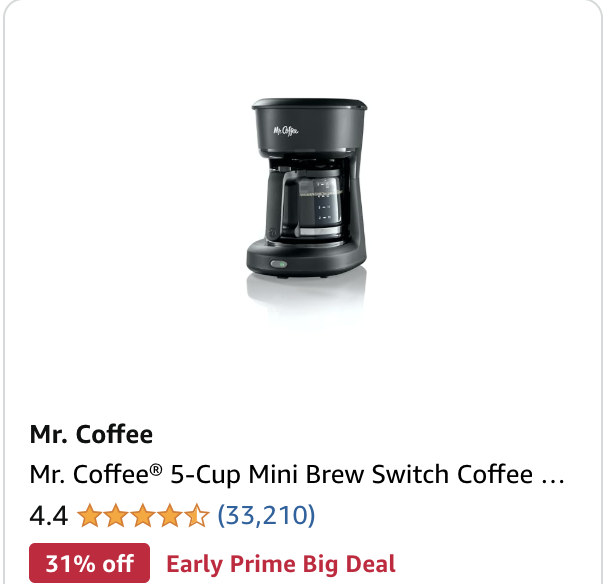
- Automatic Drip Machine: The most common option. You add water to a reservoir, put grounds in a filter basket, and the machine heats the water and drips it over the coffee automatically.
- Manual Pour-Over Dripper: A cone or wedge-shaped device (like Melitta, Kalita, or V60) that sits on top of your mug or carafe. You heat the water seperately and pour it by hand in a controlled manner.
Filters
Filters are crucial. They come in different materials that slightly affect taste.
- Paper Filters: The most common. They produce the cleanest cup by trapping oils and micro-fines. White paper filters are usually bleached with oxygen or water, making them taste neutral. Unbleached brown filters can impart a slight papery taste unless rinsed first.
- Metal Filters (Permanent): Usually made of fine stainless steel mesh. They allow more coffee oils and some sediment through, resulting in a cup with more body, similar to a French press. They are reusable and eco-friendly.
- Cloth Filters: Less common, but used in some traditional methods. They offer a balance between paper and metal but require careful cleaning to avoid off-flavors.
Other Helpful Tools
- A gooseneck kettle (for precise pouring with manual methods).
- A burr grinder (for consistent fresh grounds).
- A digital scale (for accuracy).
- A timer.
Choosing the Right Coffee Beans
Any coffee bean can be used for filter brewing, but the method is fantastic for highlighting quality. Here’s what to look for:
- Roast Level: Medium roasts are often ideal, as they balance acidity, sweetness, and body, allowing the bean’s origin flavors to shine. Light roasts can reveal bright, complex notes, while dark roasts will give a bolder, more classic “coffee” taste.
- Grind Size: This is critical. For filter coffee, you need a medium grind—similar to coarse sand. If the grind is too fine, water will flow too slowly, making the coffee over-extracted and bitter. If it’s too coarse, water flows too fast, making the coffee weak and under-extracted.
- Freshness: Always choose freshly roasted beans and grind them just before brewing for the best flavor. Pre-ground coffee loses aroma and taste quickly.
A Step-by-Step Guide to Brewing Perfect Filter Coffee
Follow these steps whether you’re using an automatic machine or a manual pour-over.
For Automatic Drip Machines:
- Start with Clean Equipment: Old coffee oils can make your new brew taste rancid. Run a water-only cycle with vinegar occasionally to descale.
- Use Fresh, Cold Water: The water is 98% of your cup. If your tap water doesn’t taste good, use filtered or bottled water.
- Measure Your Coffee: A standard ratio is 1 to 2 tablespoons of ground coffee for every 6 ounces (180ml) of water. For more precision, use a 1:16 coffee-to-water ratio by weight (e.g., 25g coffee to 400g water).
- Insert the Filter & Add Grounds: Place the paper filter in the basket and add your medium-ground coffee. Give the basket a gentle shake to level the bed.
- Add Water to the Reservoir: Pour in the measured cold water.
- Brew and Serve Immediately: Start the machine. Once brewing is complete, pour the coffee into a pre-warmed mug to enjoy it hot.
For Manual Pour-Over:
- Boil Water: Heat fresh water to about 200°F (93°C)—just off the boil.
- Prepare the Filter: Place a paper filter in your dripper. Rinse it thoroughly with hot water to eliminate paper taste and pre-heate your mug or carafe. Discard the rinse water.
- Add and Level Coffee: Add your medium-fine ground coffee to the rinsed filter. Gently tap to level.
- The Bloom: Start your timer. Pour just enough hot water (about twice the weight of the coffee) to saturate all the grounds. Let it sit for 30 seconds. This allows coffee to de-gas and ensures even extraction.
- Continue Pouring: Slowly pour the remaining water in a steady, spiral motion, keeping the water level consistent. Avoid pouring directly onto the filter. Aim to finish pouring by around 3 minutes for a single cup.
- Enjoy: Once dripping stops, remove the dripper and enjoy your freshly brewed coffee.
Common Mistakes and How to Fix Them
Even small errors can affect your cup. Here’s troubleshooting guide.
- Weak, Sour Coffee: Likely under-extraction. Your grind may be too coarse, water temperature too low, or brew time too short. Try a finer grind or hotter water.
- Bitter, Harsh Coffee: Likely over-extraction. Your grind is probably too fine, water too hot, or brew time too long. Use a coarser grind or slightly cooler water.
- Uneven Extraction: Caused by channeling (water finding paths through the coffee bed). In pour-over, ensure you’re pouring evenly. In machines, make sure the showerhead isn’t clogged and the grounds are level.
- Paper Taste: Always rinse paper filters with hot water before adding coffee grounds.
- Old or Stale Beans: Coffee tastes flat and lifeless. Always use beans roasted within the last 2-4 weeks and grind just before brewing.
Popular Filter Coffee Variations Around the World
Filter coffee adapts beautifully to local tastes.
- South Indian Filter Coffee: A strong decoction is brewed using a traditional metal stacked filter, then mixed with hot, frothy milk and sugar. It’s served in a dabara and tumbler.
- Nordic Light Roast: In Scandinavia, filter coffee is often made with very lightly roasted beans, producing a bright, tea-like, and acidic cup.
- American Diner Coffee: Typically a medium-dark roast, brewed in a large glass pot and kept hot on a warmer, known for its hearty, straightforward flavor.
- Japanese Iced Coffee: Filter coffee is brewed directly onto ice, instantly chilling it to lock in bright, aromatic flavors for a refreshing cold drink.
Health and Environmental Considerations
Filter coffee has some unique health and environmental aspects.
- Health: Paper-filtered coffee may be better for heart health because it traps cafestol, a compound in coffee oils that can raise LDL cholesterol levels. Studies have linked moderate filter coffee consumption (3-4 cups daily) with various health benefits.
- Environmental Impact: Paper filters create waste, but many are compostable. Reusable metal or cloth filters eliminate this waste but require water and energy to clean. The most significant environmental factor is always the coffee itself—choosing sustainable, shade-grown brands helps.
FAQ Section
What is the difference between filter coffee and regular coffee?
“Regular coffee” is often just another name for filter coffee, especially in places like the US where drip machines are standard. It distinguishes it from espresso-based drinks like lattes or cappuccinos.
Is filter coffee stronger than espresso?
No, not in terms of caffeine concentration per ounce. A shot of espresso is more concentrated. However, a full 8-ounce cup of filter coffee typically contains more total caffeine than a single espresso shot because you’re drinking a larger volume.
Can I make filter coffee without a machine?
Absolutely. You can use a manual pour-over dripper, a simple Melitta cone, or even improvise with a clean cloth or sock filter over a cup. The principle remains the same: gravity pulling water through grounds and a filter.
What is the best grind size for filter coffee?
A medium grind is best, resembling coarse sand. If you buy pre-ground, choose an option labeled for “drip” or “filter” coffee makers. Avoid using espresso (fine) or French press (coarse) grind.
How do I clean my coffee maker?
Run a cycle with equal parts white vinegar and water monthly, followed by several cycles with plain water to rinse. Wipe the carafe and warming plate regularly. For pour-over gear, just wash with mild soap after each use.
Why does my filter coffee taste bitter?
Bitterness usually means over-extraction. Check your grind size—it’s likely too fine. Other causes could be water that’s too hot, brewing for too long, or using too much coffee relative to water. Using stale beans can also cause harsh flavors.
Filter coffee’s enduring popularity is no accident. It offers a reliable, customizable, and accessible way to enjoy a truly excellent cup of coffee every day. With a little attention to your beans, grind, and technique, you can consistently make a brew that is clear, flavorful, and deeply satisfying. It’s a simple pleasure that connects coffee lovers across the globe.