
If you love coffee but struggle with heartburn, you might be wondering about your options. Does decaf coffee cause acid reflux, or is it a safer choice? Many people switch to decaf hoping for relief from that burning chest sensation and sour taste. The answer, however, isn’t a simple yes or no. It involves understanding what’s in your cup and how your body reacts to it. This article will break down the science and give you clear, practical advice.
Acid reflux happens when stomach acid flows back up into your esophagus. This tube isn’t built to handle acid, so it gets irritated. The result is that familiar discomfort we call heartburn. For coffee lovers, this can be a real problem. Both regular and decaf coffee are acidic and contain compounds that can trigger reflux. But the story is a bit more detailed than that.
Does Decaf Coffee Cause Acid Reflux
So, does switching to decaf solve the problem? Not necessarily. While decaf coffee has most of its caffeine removed, it still contains other natural compounds that can contribute to acid reflux. The primary culprits are acids and other substances that relax the lower esophageal sphincter (LES). This muscle is a valve that keeps stomach contents where they belong. When it relaxes at the wrong time, acid can escape.
Decaf coffee is less likely to trigger reflux than regular coffee for one main reason: caffeine. Caffeine is known to relax the LES and can also stimulate acid production in the stomach. By removing most caffeine, decaf reduces one major trigger. However, studies show that both types of coffee can stimulate acid secretion similarly. This means the acid in the coffee itself, plus other natural chemicals, still play a significant role.
The Role of Coffee Acidity
Coffee is naturally acidic. This acidity comes from organic acids like chlorogenic acid, quinic acid, and citric acid. These acids are present in both regular and decaf beans. When you drink coffee, these acids can irritate the lining of your esophagus, especially if it’s already sensitive. They can also add to the overall acidic load in your stomach. The roasting process affects acidity too. Lighter roasts tend to be higher in acidity than darker roasts, which might be something to consider.
Caffeine and the LES: The Key Connection
Caffeine’s effect on the lower esophageal sphincter is a big deal. This muscle needs to stay tight to prevent reflux. Substances that cause it to relax are called triggers. Caffeine is a known trigger. Since decaf coffee has about 97% of the caffeine removed, this is a point in its favor. For some people, this reduction is enough to make a noticeable difference in their symptoms. But because other compounds in coffee can also affect the LES, it’s not a guarantee.
Other Compounds in Coffee That May Cause Issues
Caffeine isn’t the only active substance in your brew. Coffee contains hundreds of compounds. Some, like catechols and N-alkanoly-5-hydroxytryptamides, may stimulate stomach acid production. These compounds are still present in decaf. Additionally, the process of decaffeination can sometimes alter the bean’s chemistry, potentially creating other compounds that irritate the gut. It’s a complex mix that affects everyone differently.
Individual Factors That Influence Your Reaction
Your experience with decaf coffee and reflux is highly personal. Several factors determine whether it will be a problem for you.
- Your Personal Sensitivity: Some people have esophaguses that are very sensitive to acid or other irritants.
- The Severity of Your Condition: Someone with occasional heartburn might tolerate decaf better than someone with GERD (Gastroesophageal Reflux Disease).
- What You Eat With It: Drinking coffee on an empty stomach is more likely to cause issues than having it with a meal.
- Brewing Method: How you make your coffee changes its chemical profile, which we’ll discuss next.
How Brewing Method Changes the Game
The way you prepare your decaf coffee has a huge impact on its acidity and strength. You can actually make choices that might reduce its potential to cause reflux.
- Cold Brew: This method is often the best choice. Brewing coffee with cold water over a long period extracts fewer acids and bitter compounds. The result is a smoother, less acidic cup that many find easier on their stomach.
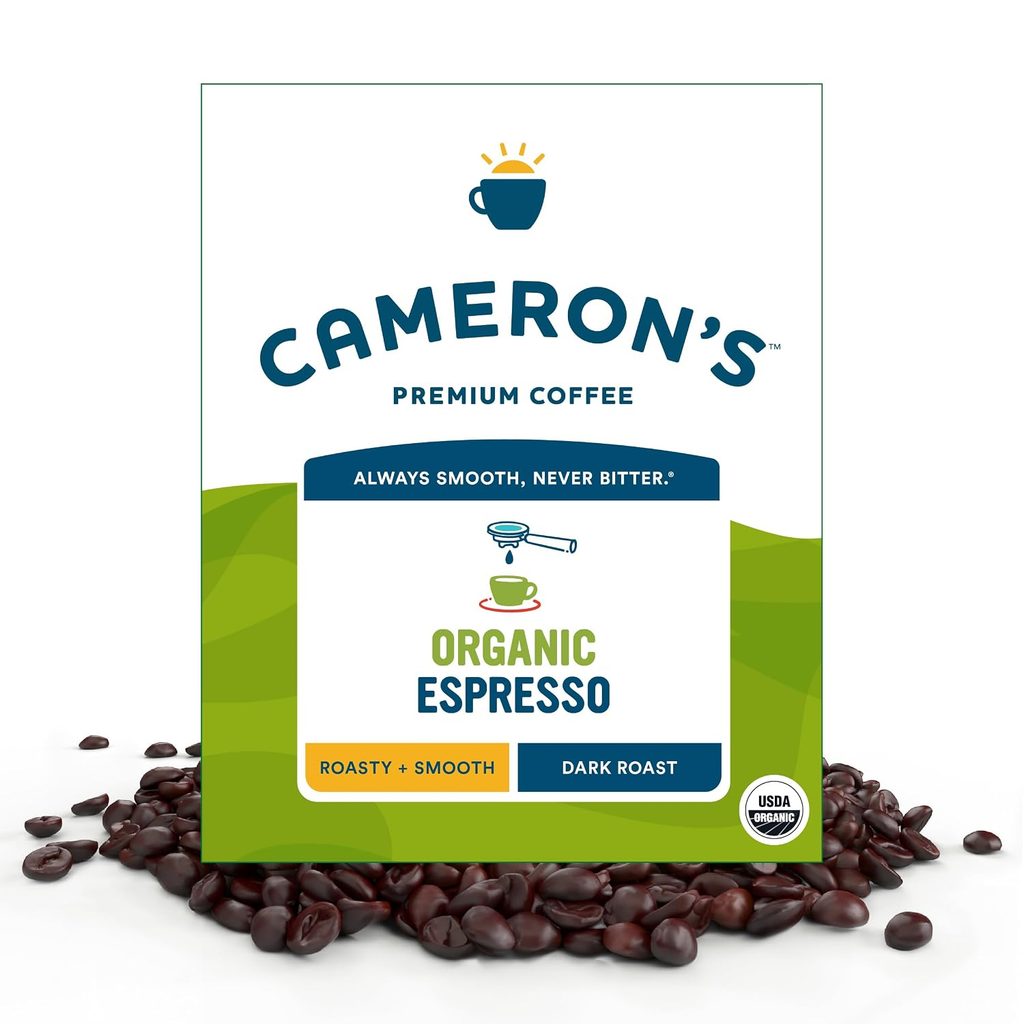
- Darker Roasts: Opt for decaf beans with a dark roast. The longer roasting process breaks down more of the acids. Dark roasts are generally lower in acidity than light or medium roasts.
- Coarser Grind: Using a coarser grind can reduce extraction of oils and acids, especially for methods like French press.
- Shorter Brew Time: Avoid letting your coffee steep for too long. Over-extraction pulls out more of the harsh compounds.
Practical Tips for Drinking Decaf with Less Risk
If you want to enjoy decaf without the burn, try these simple strategies. They can make a significant difference in how your body reacts.
- Never Drink It Empty: Always have your decaf with food or after a meal. Food acts as a buffer and helps absorb some of the acid.
- Limit Your Portion: Stick to one cup. The more you drink, the greater the potential for irritation.
- Add Milk or Cream: A splash of dairy or a non-dairy alternative can help neutralize some of the coffee’s acidity. It also creates a less irritating liquid.
- Stay Upright: Don’t lie down for at least 30-60 minutes after drinking coffee. Gravity helps keep stomach contents down.
- Listen to Your Body: Keep a simple journal. Note when you have coffee, what kind, and if you get symptoms. This is the best way to find your personal trigger threshold.
Healthier Alternatives to Consider
If even decaf bothers you, don’t worry. There are several warm, comforting drinks that are very low-risk for acid reflux. These can be great substitutes.
- Herbal Teas: Chamomile, ginger, and licorice root tea are excellent choices. Ginger, in particular, can aid digestion. Avoid peppermint tea, as it can relax the LES.
- Cereal Coffee (Grain-Based Drinks): Beverages made from roasted barley, chicory, or dandelion root have a coffee-like taste but are naturally caffeine-free and low-acid.
- Matcha: While it contains caffeine, matcha is less acidic than coffee and is prepared in a way that might be gentler for some people. Proceed with caution and test it.
- Simply Warm Water with Lemon: A small amount of lemon in warm water first thing in the morning can actually help balance stomach acid for some individuals, though it’s a trigger for others.
When to See a Doctor
Managing your diet is important, but it’s not always enough. You should talk to a healthcare professional if:
- You experience heartburn more than twice a week.
- Over-the-counter medications don’t provide reliable relief.
- You have difficulty swallowing or feel like food is stuck in your throat.
- You have unexplained weight loss or persistent nausea.
These could be signs of GERD or another condition that needs proper medical management. A doctor can provide a diagnosis and recommend treatments like lifestyle changes or medications.
The Bottom Line: It’s a Personal Experiment
The relationship between decaf coffee and acid reflux is not black and white. For many, it’s a better option than regular coffee due to the lack of caffeine. However, it is not a completely neutral beverage. The acids and other compounds in the coffee bean can still provoke symptoms. The only way to know for sure is to test it carefully in your own routine. Start with a small amount of a low-acid preparation (like cold brew dark roast) and see how you feel. Pay attention to your body’s signals—it will give you the best answer.
Frequently Asked Questions (FAQ)
Is decaf coffee better for acid reflux than regular coffee?
For most people, yes, decaf is a better choice. The removal of caffeine eliminates a major trigger that relaxes the esophageal valve. However, it is not acid-free and can still cause problems for some individuals, especially in large amounts.
What type of decaf coffee is best for avoiding heartburn?
Look for a dark roast decaf, as darker roasts are lower in acidity. Then, prepare it as a cold brew. The cold brewing method creates a significantly less acidic and smoother cup that is much gentler on the digestive system.
Can I drink decaf coffee if I have GERD?
You may be able to, but you need to be cautious. It depends on the severity of your GERD. Try it in very small quantities (like a quarter cup) with food first. Monitor your symptoms closely. Many with GERD find they must avoid all coffee, including decaf, to manage their condition effectively.
Does adding milk to decaf coffee help with acidity?
Yes, adding milk or a milk alternative can help. The protein and fat in milk can bind to some of the acids and coffee compounds, making the drink less irritating. It also dilutes the coffee slightly. Using a low-fat or non-dairy milk is often recommended, as high-fat dairy can sometimes be a trigger on its own.
Are there any completely acid-free coffees?
No, all coffee from the coffee bean contains some natural acids. However, you can find brands that are specifically processed to be “low-acid.” These coffees often use a special roasting method or a steam treatment to neutralize a portion of the acids. They are worth trying if you are very sensitive.
How long after drinking decaf coffee can acid reflux occur?
Symptoms can begin almost immediately or be delayed up to an hour or two. The initial irritation might come from the drink’s acidity passing down the esophagus. Later symptoms can occur when the compounds in coffee stimulate your stomach to produce excess acid. If you’re going to test it, allow a few hours to see your full reaction.