
If you’ve ever felt uncomfortably full or puffy after your morning cup, you might have wondered, can coffee cause stomach bloating? For many people, the answer is a definite yes. That post-brew bloating is a common complaint, and it’s usually the result of a few specific things coffee does to your digestive system. Understanding these triggers is the first step to enjoying your coffee without the uncomfortable side effects.
Let’s look at why this happens. Coffee is a complex beverage with several compounds that can irritate your gut. It’s not just about the caffeine, though that plays a big part. The acidity, the oils, and even the way you drink it can all contribute to that swollen feeling. The good news is that for most, it’s manageable with a few simple tweaks.
Can Coffee Cause Stomach Bloating
This heading gets straight to the point because it’s the core question. The short answer is that coffee can be a significant trigger for bloating. It acts on your digestive system in multiple ways, often speeding things up or causing irritation that leads to gas and distension. It’s not universal—some people can drink pot after pot with no issue—but if you’re prone to bloating, coffee is a likely suspect.
The Main Reasons Coffee Leads to Bloating
Coffee’s impact isn’t magic; it’s chemistry and physiology. Here are the primary mechanisms at work.
1. Increased Stomach Acid Production
Coffee, both caffeinated and decaf, stimulates the release of gastrin. This hormone tells your stomach to produce more hydrochloric acid. This extra acid can irritate the stomach lining, leading to feelings of discomfort, acid reflux, and bloating. If you already have a sensitive stomach or conditions like gastritis, this effect is much more pronounced.
2. The Laxative Effect and Gut Motility
Coffee famously makes many people need to visit the bathroom. It stimulates muscle contractions in your colon (peristalsis). While this can relieve constipation, it can also push food through your system too quickly. When digestion is rushed, food may not be broken down properly, leading to fermentation by gut bacteria later on, which produces gas and bloating.
3. Acidic Nature and Gut Irritation
Coffee is naturally acidic, with a pH typically around 5. This acidity can directly irritate the lining of your stomach and intestines. For people with conditions like irritable bowel syndrome (IBS) or inflammatory bowel disease (IBD), this irritation can trigger significant bloating, cramping, and other symptoms. The irritation can also lead to inflammation, which worsens the feeling of being bloated.
4. Additives: The Usual Suspects
Often, it’s not the coffee itself but what you put in it. Common culprits include:
- Dairy Milk/Cream: Lactose intolerance is incredibly common. Even if you’re not fully intolerant, the enzyme lactase can be overwhelmed, leading to gas.
- Artificial Sweeteners: Sugar alcohols like sorbitol, mannitol, and xylitol (common in “sugar-free” syrups) are notorious for causing gas and bloating as they ferment in the gut.
- High-Fructose Syrups: Some flavored syrups are loaded with fructose, which some people absorb poorly, leading to digestive distress.
How Different Brewing Methods Affect Bloating
Not all coffee is created equal when it comes to your stomach. The way you brew it changes its chemical makeup.
- Espresso & French Press: These methods use high pressure or no paper filter, allowing more cafestol and kahweol (oily compounds) through. These oils can increase acid production and irritate the gut.
- Drip Coffee with Paper Filter: This is often the gentlest option. The paper filter traps most of the irritating oils and some acids, resulting in a smoother, less irritating cup.
- Cold Brew: Cold brew is steeped in cold water for 12-24 hours. This process creates a coffee that is significantly less acidic (up to 66% less) than hot brewed coffee. For many with sensitive stomachs, cold brew is a game-changer and causes far less bloating.
Practical Steps to Reduce Coffee-Related Bloating
You don’t necessarily have to give up coffee. Try these strategies first.
1. Modify Your Coffee Choice
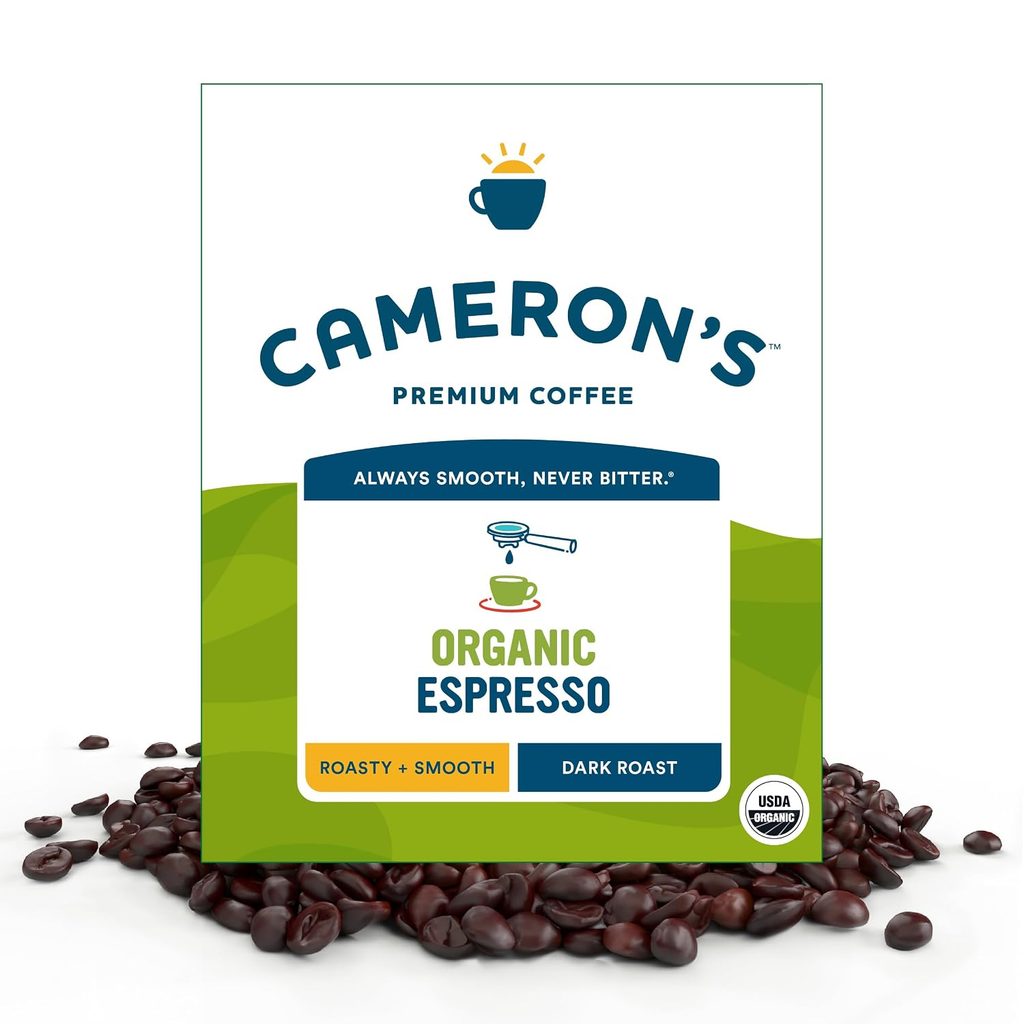
- Switch to Low-Acid or Dark Roast: Dark roast beans are typically less acidic than light roasts. You can also buy coffee specifically processed to be low-acid.
- Try Cold Brew: As mentioned, its lower acidity makes it a great alternative.
- Choose a Paper-Filtered Brew: Opt for drip coffee over French press or espresso-based drinks when possible.
2. Be Smart About Additives
- Test Dairy-Free: Try your coffee black or with a lactose-free alternative like oat milk, almond milk, or lactose-free dairy for a week. See if the bloating subsides.
- Simplify Your Sweetener: Use plain sugar or maple syrup in moderation, and avoid artificial sweeteners and fancy syrups.
3. Change Your Drinking Habits
- Don’t Drink on an Empty Stomach: Having coffee with or after a meal buffers the acid and slows its impact on your gut.
- Slow Down: Gulping coffee introduces extra air into your digestive tract, a direct cause of bloating. Sip slowly.
- Limit Your Intake: Stick to one or two cups per day instead of constantly sipping. More coffee means more triggers.
4. Support Your Digestive System
- Stay Hydrated with Water: Coffee is a diuretic. Dehydration can slow digestion and worsen bloating. Drink a glass of water before or with your coffee.
- Consider a Probiotic: A healthy gut flora balance can improve overall digestion and may help manage gas production. Look for a reputable brand.
- Chew Fennel or Ginger: After your coffee, try chewing some fennel seeds or drinking ginger tea. Both are traditional remedies for gas and bloating.
When to Consider Other Causes
If you’ve tried all these adjustments and still experience severe bloating, pain, or other symptoms like diarrhea or constipation, it’s time to look deeper. Coffee might be exacerbating an underlying condition. Common ones include:
- Irritable Bowel Syndrome (IBS): Coffee is a common trigger food for IBS sufferers.
- Small Intestinal Bacterial Overgrowth (SIBO): This condition involves too much bacteria in the small intestine, which ferments carbohydrates and produces excessive gas. Coffee can stimulate this overgrowth.
- Acid Reflux (GERD): Coffee relaxes the lower esophageal sphincter, allowing stomach acid to splash up, causing bloating and heartburn.
- Food Intolerances: Beyond dairy, you might have a sensitivity to something else in your breakfast routine.
In these cases, working with a doctor or a registered dietitian is crucial for proper diagnosis and management. They can help you with an elimination diet to pinpoint the exact cause.
FAQ Section
Does decaf coffee cause bloating?
Yes, it can. While caffeine is a major player, decaf coffee still contains acids and compounds that stimulate stomach acid production and gut motility. The brewing method and additives also apply to decaf.
Why does coffee make me bloated but not tea?
Coffee generally has a higher acidity and contains different, more potent stimulatory compounds than tea. The specific oils in coffee (cafestol) and its unique impact on gastrin make it more irritating for many people’s digestive systems compared to tea.
Can I develop a coffee intolerance suddenly?
Absolutely. Food and drink intolerances can develop at any time in life. Changes in your gut health, stress levels, hormones, or overall health can make your digestive system more sensitive to coffee’s effects where it wasn’t before.
How long after drinking coffee does bloating start?
It can vary. For some, the bloating is almost immediate due to swallowed air or rapid acid production. For others, it might take 30 minutes to a few hours as the coffee moves through the digestive tract and begins affecting the colon and gut bacteria.
Is black coffee better for bloating?
It can be, if your bloating is solely from additives like dairy or sweeteners. However, if your bloating is caused by coffee’s acidity or its effect on your gut lining, black coffee may still cause problems. It removes one variable, so it’s a good test.
What can I drink instead of coffee for energy?
Consider matcha green tea (lower acidity, provides calm energy), chicory root “coffee” (caffeine-free, prebiotic), or even just starting your day with a large glass of water and a protein-rich breakfast. Often, dehydration is mistaken for fatigue.
Final Thoughts
So, can coffee cause stomach bloating? Clearly, it can. But it’s not a simple yes or no for everyone. It’s a combination of factors unique to you: your coffee’s acidity, your brewing method, what you add to it, and the current state of your digestive health. The key is to become a detective with your own habits.
Start by making one change at a time. Try cold brew for a week. Then, switch your creamer. Pay attention to how you feel. Most people can find a way to enjoy coffee without significant discomfort by adjusting these variables. Listen to your body—it will tell you what works and what doesn’t. If problems persist despite your best efforts, seeking professional medical advice is the best next step to ensure there isn’t a more serious condition needing attention. Your morning ritual should feel good, not leave you feeling puffy and uncomfortable.