
You might have seen someone scoop a pat of butter into their morning brew and wondered what’s going on. Let’s talk about why do people put butter in their coffee. This trend, often called butter coffee, has moved from a niche health hack to a mainstream morning ritual for many. It’s not about a strange taste preference, but is promoted for specific energy and health benefits that its drinkers swear by.
The idea is simple: blend high-quality coffee with grass-fed butter and often a type of oil. The result is a creamy, frothy drink that’s more like a latte. Proponents say it keeps them full and mentally sharp for hours. But it’s not just a fad without reason; it’s roots are in traditional diets and modern dietary science. This article will explain where it came from, the proposed benefits, and how to try it for yourself safely.
Why Do People Put Butter In Their Coffee
This practice is the cornerstone of the popular “Bulletproof Coffee” recipe, though it predates that brand. The core reason people do it is to replace a carbohydrate-heavy breakfast with a fat-based one. By blending fat into their coffee, they aim for sustained energy, reduced hunger, and mental clarity. It’s particularly popular in low-carb and ketogenic diet circles, where fat is the primary fuel source instead of sugar.
The Origins: From Tibetan Yak Butter to Silicon Valley
Butter coffee isn’t a new invention. For centuries, people in Himalayan regions like Tibet and Nepal have drank tea blended with yak butter and salt. This traditional drink, called Po Cha, provides essential calories, fat, and nutrients to sustain people in a harsh, high-altitude climate. It helps them stay warm and energized during long, physically demanding days.
The modern version was popularized in the West by Dave Asprey, an entrepreneur who encountered yak butter tea while trekking in Tibet. He adapted the concept using coffee, grass-fed butter, and MCT (medium-chain triglyceride) oil, branding it “Bulletproof Coffee.” His claims of enhanced cognitive function and weight loss sparked a massive trend, especially amoung tech workers and biohackers looking for an edge.
The Proposed Benefits: Why Would Anyone Try It?
People who drink butter coffee report several key benefits. It’s important to note that many of these are anecdotal, and scientific research specifically on butter coffee is limited. However, the benefits are tied to the properties of its ingredients.
- Sustained Energy Without the Crash: The fats from butter and MCT oil are digested slowly, providing a steady stream of energy. Unlike a sugary coffee drink or toast, which can cause a blood sugar spike and crash, butter coffee aims for stable energy levels.
- Mental Clarity and Focus: MCT oil is quickly converted by the liver into ketones, molecules that can fuel the brain. The caffiene in coffee provides an immediate stimulant effect, while the ketones offer an alternative energy source, potentially leading to improved concentration.
- Appetite Suppression: Fat is very satiating. Starting your day with a high-fat drink can significantly reduce feelings of hunger, which may lead to eating fewer calories later in the day. This is a key reason it’s used in intermittent fasting protocols.
- Support for a Ketogenic Diet: For those following a strict keto diet, hitting a high daily fat intake can be challenging. Butter coffee offers a convenient and tasty way to add quality fats first thing in the morning, helping the body stay in a fat-burning state called ketosis.
The Key Ingredients and Why They Matter
Not all butter coffee is created equal. Advocates stress that the quality of ingredients is crucial for health benefits and taste.
1. Coffee
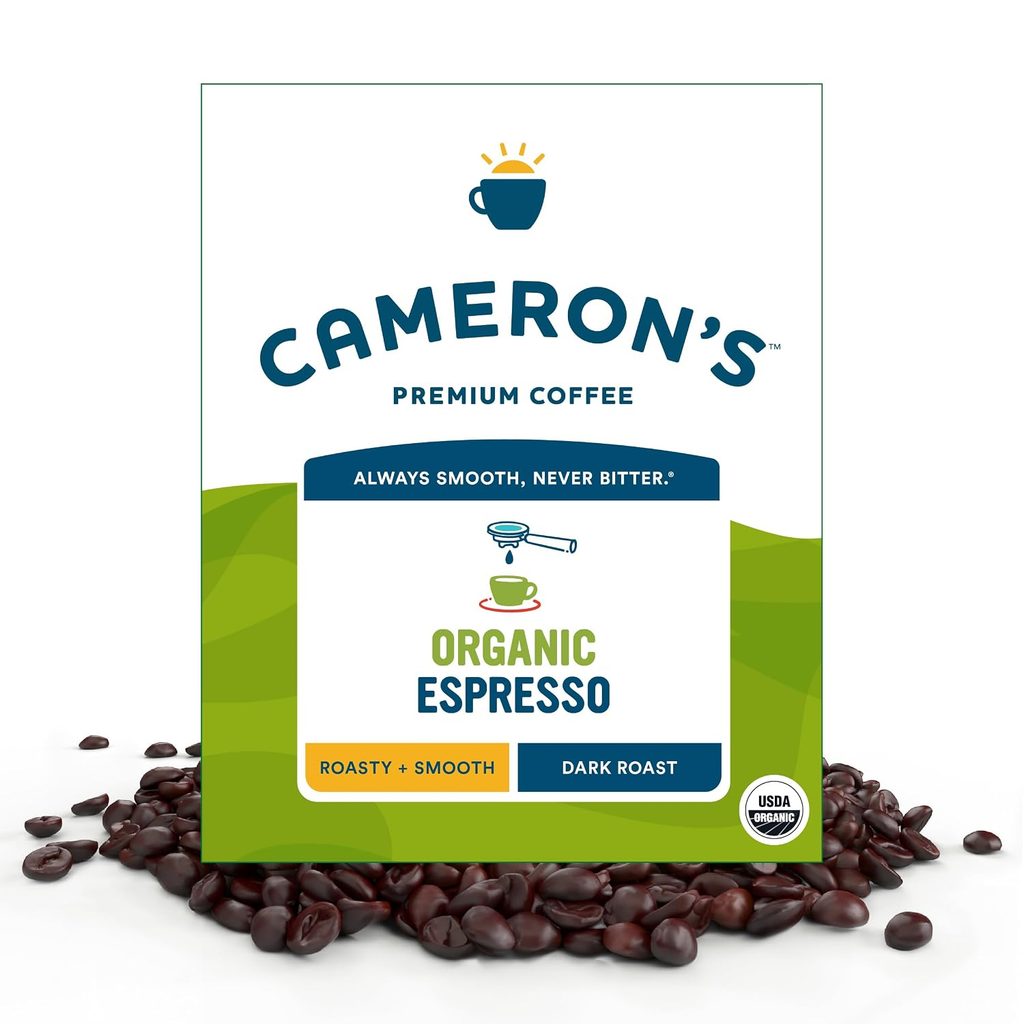
Using a low-quality coffee that may contain mold toxins (mycotoxins) is discouraged by originators of the trend. They recommend choosing a high-quality, single-origin, freshly ground coffee bean. The brewing method is up to you—drip, French press, and pour-over all work fine.
2. Butter
This is non-negotiable: it must be grass-fed, unsalted butter. Brands like Kerrygold are popular choices. Grass-fed butter is richer in nutrients like Vitamin K2, omega-3 fatty acids, and conjugated linoleic acid (CLA) compared to butter from grain-fed cows. It also has a superior flavor profile.
- Do not use margarine, spreadable butter, or regular salted butter. These contain unwanted oils, water, and additives that won’t blend properly or provide the same nutritional value.
3. MCT Oil
While optional, MCT oil is a staple in most modern recipes. MCTs are a type of fat that your body absorbs and uses very quickly. They are found in coconut oil and palm kernel oil. You can use coconut oil, but pure MCT oil (often derived from coconut oil) is more potent and less likely to cause stomach upset for some people.
- Start with a small amount (1 teaspoon) to allow your digestive system to adjust, as too much too soon can cause discomfort.
How to Make Butter Coffee: A Step-by-Step Guide
Making it is simple, but one tool is essential: a blender. You cannot just stir the ingredients together; they will seperate. Blending emulsifies the fats into the coffee, creating a creamy, latte-like consistency with a frothy top.
- Brew your coffee. Make about 8-12 ounces of your favorite coffee using your preferred method.
- Gather your ingredients. You’ll need 1-2 tablespoons of grass-fed, unsalted butter and 1-2 tablespoons of MCT oil or coconut oil.
- Combine and blend. Pour the hot coffee, butter, and oil into a blender. Secure the lid tightly. Start blending on low, then increase to high for 20-30 seconds until it’s frothy and fully combined.
- Pour and enjoy immediately. Drink it while it’s warm and the froth is still on top. Some people like to add a dash of cinnamon or vanilla extract for extra flavor.
Potential Downsides and Who Should Avoid It
Butter coffee isn’t for everyone, and it has its critics. Here are some important considerations.
- High in Saturated Fat and Calories: A single cup can contain over 400 calories. While this is the point for some, it can lead to weight gain if you don’t account for these calories in your overall diet. The high saturated fat content is also a concern for some, though the science on saturated fat from quality sources is evolving.
- Not a Balanced Meal: It lacks protein, fiber, vitamins, and minerals found in a whole-food breakfast. Replacing breakfast with butter coffee every day could mean missing out on essential nutrients.
- Digestive Issues: Especially when starting with MCT oil, some people experience stomach cramps, diarrhea, or a feeling of nausea. Starting slow is key.
- May Raise Cholesterol: The significant amount of dietary cholesterol and saturated fat could adversely affect blood lipid levels in some individuals. If you have cholesterol concerns, consult your doctor.
Who should likely avoid it: People with a history of heart disease, high cholesterol, or gall bladder issues. Those who are pregnant or breastfeeding should consult a healthcare provider. It’s also not suitable for individuals who simply prefer to eat a solid-food breakfast.
Butter Coffee vs. Your Regular Coffee
Is it better than your usual cup? It depends entirely on your goals.
- Traditional Black Coffee: Virtually no calories, provides caffeine and antioxidants. It’s a simple stimulant without affecting your hunger or macronutrient balance significantly.
- Coffee with Cream and Sugar: Adds some fat and sweetness, but the sugar can lead to an energy crash and doesn’t provide the same satiety as the high fat content in butter coffee.
- Butter Coffee: A high-calorie, high-fat beverage designed as a meal replacement or supplement for specific dietary patterns. It’s tool, not just a drink.
The choice isn’t about which is universally “better,” but which one aligns with your personal health, energy, and dietary needs. For someone on a standard diet, adding butter coffee on top of their normal meals could easily lead to excess calorie intake.
Common Mistakes to Avoid
If you decide to try it, here’s how to avoid common pitfalls.
- Using the wrong butter. This is the most common error. Salted or grain-fed butter won’t give you the same results and can taste odd.
- Skipping the blender. Stirring just makes a greasy, separated mess. A blender is mandatory for the right texture.
- Starting with too much MCT oil. This almost guarantees a bad digestive experience. Begin with a teaspoon and work your way up slowly over several days.
- Treating it as a drink alongside a full breakfast. Remember, it’s calorie-dense. If weight management is a goal, drink it instead of breakfast, not in addition to it.
- Expecting magic results. It’s a dietary tool, not a miracle potion. It works best as part of a consistent, overall healthy lifestyle.
Frequently Asked Questions (FAQ)
What does butter coffee taste like?
It tastes like a rich, creamy, and slightly frothy latte. The coffee flavor remains strong, and the butter adds a smooth, velvety texture without a strong buttery taste, especially if you use high-quality grass-fed butter.
Can I use ghee instead of butter?
Yes, absolutely. Ghee (clarified butter) is an excellent alternative. It’s pure milk fat with the milk solids removed, making it suitable for people who are sensitive to lactose or casein. It has a rich, nutty flavor that many people enjoy.
Does butter in coffee break a fast?
Yes, it does. Any calorie intake, especially from fat, will break a “clean” fast. However, some people practicing intermittent fasting for weight loss use butter coffee as part of a “fat fast” or modified fasting approach, as the lack of carbs may keep them in a fasted metabolic state. For autophagy or strict fasting benefits, stick to black coffee or water.
Can I make butter coffee without MCT oil?
You can. Just use 2 tablespoons of grass-fed butter. The drink will still be creamy and satiating, but you’ll miss out on the quick ketone boost associated with MCTs. Coconut oil is a good substitute if you don’t have MCT oil.
Is butter coffee good for weight loss?
It can be a tool for weight loss in the context of a ketogenic or low-carb diet, primarily by keeping you full and reducing overall calorie intake. However, on its own, it is a high-calorie drink. If you add it without changing anything else in your diet, you will likely gain weight, not lose it.
How much caffiene is in it?
The caffeine content depends entirely on the coffee you use. The butter and oil do not effect the caffeine. So, if you brew 8 ounces of coffee with 95 mg of caffeine, your butter coffee will have 95 mg of caffeine.
Final Thoughts
So, why do people put butter in their coffee? It’s a deliberate dietary strategy, not a quirky habit. Rooted in ancient tradition and adapted for modern goals, it serves as a high-fat fuel source for those seeking steady energy, mental focus, and appetite control, particularly within low-carb lifestyles. While it has genuine potential benefits for some, it’s not a one-size-fits-all solution and comes with considerations regarding its high calorie and fat content.
If you’re curious, the best way to understand the trend is to try it properly for yourself. Use high-quality, grass-fed butter, start slow with the MCT oil, and blend it well. Pay attention to how your body and mind feel throughout the morning. Whether it becomes a staple or just a passing experiment, you’ll have firsthand insight into this unique fusion of simple ingredients with a complex following. Remember, its always wise to discuss significant dietary changes with a healthcare professional, especially if you have underlying health conditions.