
If you’ve ever looked at a coffee menu and wondered, ‘what is dark roast coffee?’, you’re not alone. It’s a term used everywhere, but the meaning goes deeper than just a strong taste.
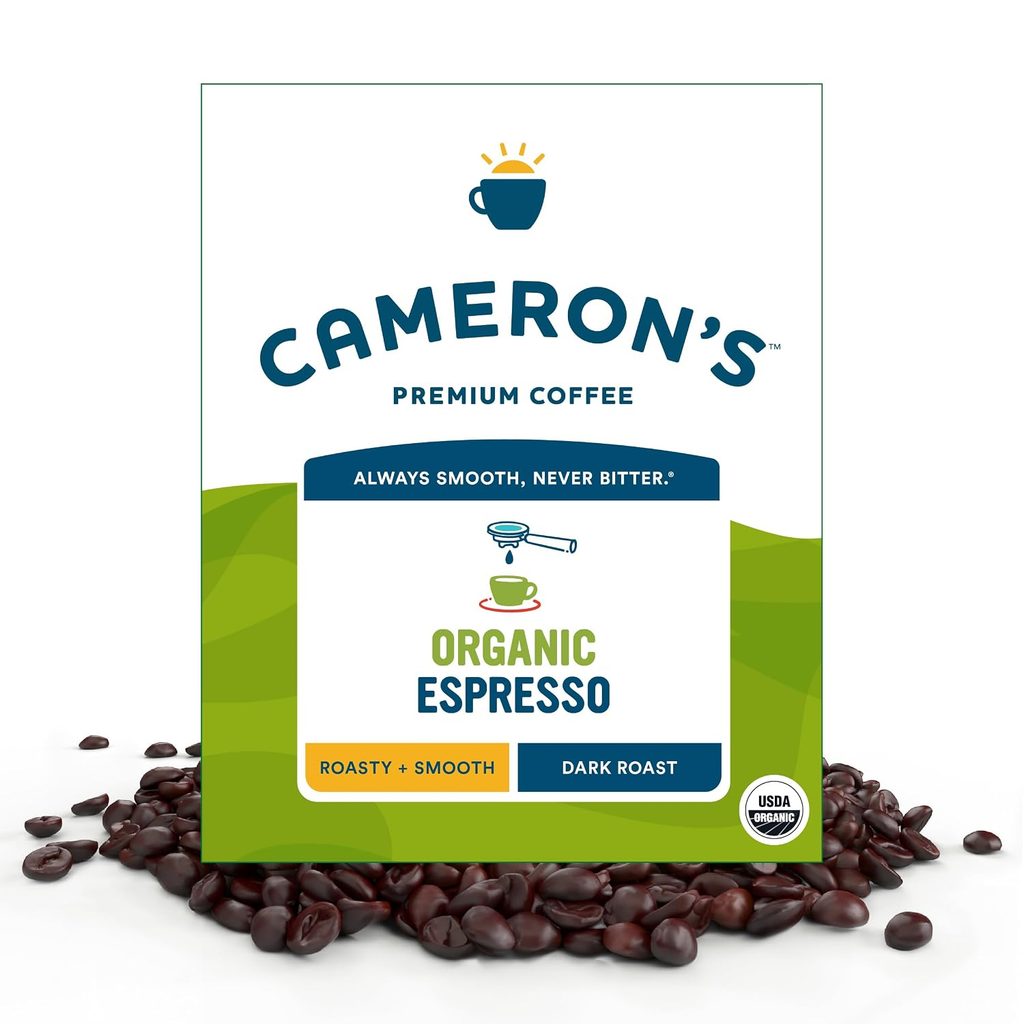
Dark roast coffee refers to beans that have been roasted for a longer time or at a higher temperature than light or medium roasts. This process gives the beans a darker, oilier appearance and changes their flavor profile dramatically. The result is a cup that is often bolder, less acidic, and has distinct roasted notes. Let’s break down everything you need to know about this popular style of coffee.
What Is Dark Roast Coffee
This heading might seem simple, but it’s the core of the matter. Dark roast coffee is defined by its journey in the roaster. Beans are heated until they reach a certain internal temperature, typically between 437°F and 482°F (225°C and 250°C). During this stage, a second “crack” occurs—an audible popping sound—and the beans develop their characteristic dark color and surface oils.
The longer roasting time significantly alters the bean’s original character. The flavors inherent to the coffee’s origin, called “origin flavors,” are mostly replaced by the flavors of the roasting process itself. You’ll taste notes of dark chocolate, toasted nuts, caramelized sugar, or even a smoky bitterness. The body is usually heavier, and the acidity is very low, making it smoother for some palates.
The Dark Roasting Process: From Green to Bold
All coffee starts as green, unroasted beans. Here’s what happens during a dark roast:
- Drying Phase: The beans lose moisture and turn yellow.
- First Crack: An important milestone where the bean structure cracks open, releasing steam. This is where light roasts typically stop.
- Development Stage: For dark roasts, roasting continues. Sugars caramelize further, and oils begin to migrate to the surface.
- Second Crack: Another cracking sound signals the dark roast stage. The bean’s cell structure breaks down more, releasing more oils.
- Cooling: The beans are quickly cooled to stop the roasting process exactly where the roaster intends.
Common Dark Roast Names and Profiles
You’ll see many names for dark roasts on bags or menus. They often indicate slight variations in the roasting level:
- Full City+: Just past the second crack, with little surface oil. A medium-dark option.
- Vienna Roast: A moderate dark roast with a spotty oily surface and a rich, chocolatey flavor.
- French Roast: A classic dark roast. Beans are shiny with oil, and flavors are smoky-sweet with diminished acidity.
- Italian Roast: Very dark, almost black and very oily. The flavor is intensely smoky and bittersweet, often used for espresso.
- Spanish Roast: The darkest of all, nearing a charred profile. It has a thin body and a sharp, charcoal taste.
Flavor, Aroma, and Caffeine: Busting the Myths
There’s a lot of confusion about dark roast coffee. Let’s set the record straight on a few key points.
Does Dark Roast Have More Caffeine?
This is the most common myth. The truth is a bit nuanced. By volume (scoop): Dark roast beans are less dense because they’ve lost more moisture and mass during roasting. So, if you measure your coffee with a scoop, you’ll use more beans by mass with a light roast, resulting in slightly more caffeine. By weight (grams): If you measure your coffee by weight (which is more accurate), the caffeine content is nearly identical. The roasting process doesn’t destroy caffeine in a significant way.
Is Dark Roast More Bitter?
It can be, but it shouldn’t be unpleasantly bitter. The dark roasting process reduces natural acids (like citric or tartaric acid) that cause brightness. The bitterness you taste comes from the caramelization of sugars and the development of roasted compounds. A well-executed dark roast balances this with sweet, chocolatey notes. Over-roasting or brewing with water that is too hot can create a harsh, burnt bitterness.
The Body and Acidity
Dark roasts are known for their heavy, syrupy “mouthfeel” or body. They also have very low perceived acidity, which is why many people with sensitive stomachs prefer them. The bright, fruity tang of a light roast is almost entirely absent, replaced by a smooth, rounded sensation.
How to Brew the Perfect Cup of Dark Roast
To get the best from your dark roast beans, you need to adjust your brewing method slightly. The goal is to extract those rich, deep flavors without pulling out excessive bitterness.
- Grind Size: Use a medium grind for drip or pour-over. For French press, go slightly coarser. For espresso, you’ll need a fine grind.
- Water Temperature: Use slightly cooler water than you would for a light roast. Aim for 195°F to 205°F (90°C to 96°C). Boiling water can scorch the beans and over-extract bitterness.
- Brew Time: Because dark roasts extract faster, you might need a shorter contact time. For a pour-over, try shaving 15-30 seconds off your usual time.
- Ratio: Start with the standard ratio (e.g., 1:16 coffee to water) and adjust to your taste. You may find you need slightly less coffee because the flavors are so potent.
Best Uses for Dark Roast Coffee
Dark roast isn’t just for drinking black. Its robust profile makes it ideal for certain applications:
- Espresso: The classic base for espresso drinks. Its strong flavor holds up well when mixed with milk in lattes and cappuccinos.
- French Press: The full immersion method highlights the heavy body and rich flavors.
- Cold Brew: Makes a exceptionally smooth and low-acid cold brew concentrate.
- With Milk or Cream: Its chocolatey notes pair wonderfully with dairy or plant-based milks.
- In Recipes: Excellent for baking, like in chocolate cakes or barbecue rubs, where its deep flavor can shine through.
Choosing and Storing Your Dark Roast Beans
To ensure freshness and flavor, follow these tips:
- Look for a Roast Date: Always buy beans with a “roasted on” date, not just a “best by” date. Use them within 3-4 weeks of that date for peak flavor.
- Check for Oil: Some surface oil is normal for dark roasts, but excessively oily beans can be a sign of very old or over-roasted beans.
- Storage is Key: Keep beans in an airtight container at room temperature, away from light, heat, and moisture. Do not store them in the fridge or freezer, as this can cause condensation and degrade flavor.
- Grind Fresh: Grind your beans just before brewing. Pre-ground coffee loses its complexity and aromas very quickly, sometimes withing minutes.
Dark Roast vs. Light and Medium Roast
Understanding the spectrum helps you know what you prefer.
- Light Roast: Light brown, no oil. High acidity, light body, pronounced origin flavors (floral, fruity, tea-like).
- Medium Roast: Medium brown, no oil. Balanced acidity and body, mix of origin and roast flavors (caramel, nutty).
- Dark Roast: Dark brown to nearly black, oily surface. Low acidity, heavy body, dominant roast flavors (chocolate, toasted, smoky).
Health Considerations: The Good and The Simple
All coffee, including dark roast, has health effects. It’s rich in antioxidants. Some studies suggest dark roast may be easier on the stomach due to a compound that reduces acid production. It also contains slightly less chlorogenic acid, which is a main antioxidant but can cause jitters in some people. As with anything, moderation is key, and effects vary from person to person.
Common Mistakes to Avoid With Dark Roast
Even experienced coffee lovers can make these errors:
- Over-extracting: Using water that’s too hot or brewing for too long makes it unpleasantly bitter.
- Using the Wrong Grind: A grind that’s too fine for your method will also lead to over-extraction.
- Assuming It’s Stronger: Equating “bold flavor” with “more caffeine” can lead to disappointment or too much jitteriness if you drink extra cups.
- Storing Poorly: Letting beans go stale is a waste of good coffee. Buy smaller bags more frequently.
FAQ Section
Is dark roast coffee stronger?
Yes, but in flavor, not necessarily in caffeine. It has a stronger, more intense taste profile due to the roasting process, which creates bold, roasted notes.
What is the difference between dark roast and French roast?
French roast is a type of dark roast. It’s one of the darkest levels, characterized by shiny, oily beans and a flavor that is smoky-sweet with very low acidity. Not all dark roasts are as intense as a French roast.
Is dark roast coffee less acidic?
Yes, generally it is. The extended roasting time breaks down the chlorogenic acids that contribute to perceived acidity in the cup, making it a smoother option for many.
Can you use dark roast for espresso?
Absolutely. Dark roast coffee is the traditional choice for espresso because its strong, caramelized flavors can cut through milk and create a stable, creamy crema. Many espresso blends are built around a dark roast base.
Does dark roast have more antioxidants?
All coffee is rich in antioxidants, but the type changes with roasting. Dark roast has higher levels of certain antioxidants formed during roasting, like melanoidins, while it has lower levels of others found in green beans. The total antioxidant activity remains high.
Why is my dark roast coffee tasting bitter?
It could be the beans are over-roasted (burnt), or your brewing method is off. Try using slightly cooler water (just off the boil), a coarser grind, or a shorter brew time to balance the flavor.
Dark roast coffee offers a unique and comforting experience that’s distinct from its lighter counterparts. Its deep, resonant flavors of chocolate, caramel, and toasted nuts make it a favorite for those who prefer a smooth, low-acid cup that stands up well to milk and sugar. By understanding what it is, how it’s made, and how to brew it properly, you can fully appreciate what this classic style has too offer. Whether you enjoy it as a morning espresso or a slow afternoon pour-over, dark roast has earned its place in the world of coffee.