
If you want to learn how to make a filtered coffee, you’re in the right place. This classic method is loved worldwide for its clean, flavorful cup. It’s simple to start but offers endless depth for those who want to refine there technique. Let’s get you brewing.
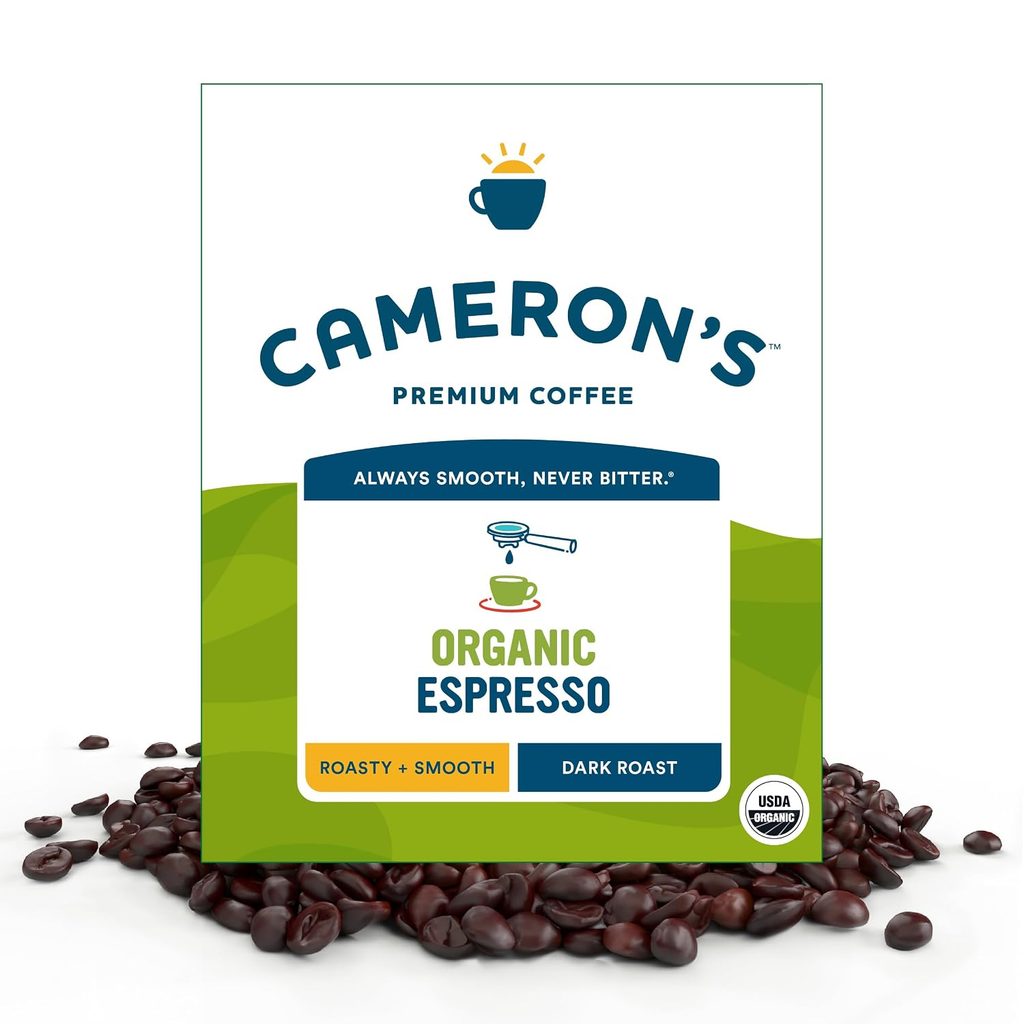
Filtered coffee, often called pour-over, involves pouring hot water over coffee grounds in a filter. The water passes through, extracting the coffee’s flavors into your pot or cup. The result is a bright and clear beverage that highlights the coffee’s true character. It’s a ritual that’s both meditative and immensely satisfying.
How To Make A Filtered Coffee
This main guide covers the essential equipment and steps. We’ll break it down so anyone can follow along, even if your brand new to brewing.
Essential Equipment You’ll Need
You don’t need a fancy setup to begin. Here’s the basic gear:
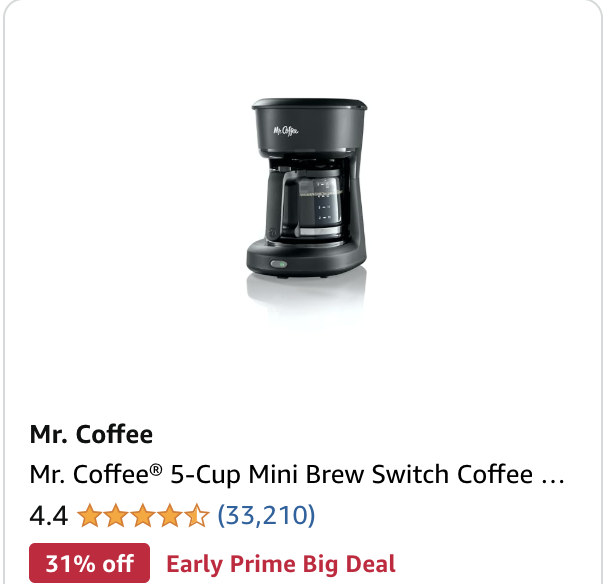
- Brewer: A pour-over dripper (like Hario V60, Kalita Wave, or a classic Melitta). Automatic drip machines also make filtered coffee.
- Filter: Paper filters that fit your brewer. Rinse them first to remove paper taste.
- Grinder: A burr grinder is best for consistent size. Pre-ground coffee works, but fresh grinding is superior.
- Kettle: A gooseneck kettle gives you precise water control. Any kettle will do in a pinch.
- Scale: A kitchen scale measurs coffee and water accurately. This is key for repeatability.
- Timer: Use your phone or a stopwatch.
- Fresh Coffee: Quality, freshly roasted beans make all the difference.
Choosing Your Coffee Beans
The bean choice defines your cup. Lighter roasts often have more fruity, acidic notes. Darker roasts tend to be bolder and more chocolaty. Experiment to find what you prefer. Always try to buy beans roasted within the last few weeks for peak flavor.
The Perfect Grind Size
Grind size is crucial. For filtered coffee, you want a medium grind, similar to coarse sand. If the water flows through too fast, your coffee will be weak; grind finer. If it drips very slow and tastes bitter, grind coarser. It’s the main adjustment you’ll make.
Water Quality and Temperature
Since coffee is 98% water, use good water. Filtered tap water is ideal. The right temperature is between 195°F and 205°F (90°C-96°C). Just off the boil is usually perfect. If you don’t have a thermometer, let boiling water sit for 30 seconds before pouring.
Step-by-Step Brewing Guide
Follow these numbered steps for a consistent brew everytime.
- Boil Water: Heat more water than you need, as some will be used to pre-wet the filter.
- Prepare Filter & Brewer: Place the paper filter in your dripper. Set it on your carafe or mug. Rinse the filter with hot water thoroughly. This heats your vessel and removes the papery taste. Discard the rinse water.
- Weigh and Grind Coffee: A standard ratio is 1 gram of coffee to 16 grams of water. For one cup (about 340ml), use 21 grams of coffee. Grind your beans to the medium consistency described.
- Add Coffee and Level: Place your brewer on the scale, tare it to zero, and add the ground coffee. Gently shake to level the bed.
- Start the Timer and Bloom: Start your timer. Pour just enough hot water (about twice the weight of the coffee) to saturate all the grounds. For 21g of coffee, pour about 40g of water. Let it sit for 30-45 seconds. This allows gases to escape and helps even extraction.
- Continue Pouring: After the bloom, begin pouring the remaining water in slow, steady circles. Avoid pouring directly onto the filter. Keep the water level consistent. Aim to finish pouring around the 2:00 to 2:30 minute mark for a single cup.
- Let it Drain: Allow all the water to drip through into your carafe. Total brew time should typically be between 2:30 and 3:30 minutes. If it’s much faster or slower, adjust your grind size next time.
- Serve and Enjoy: Give the carafe a gentle swirl to mix the coffee, then pour into your cup. Enjoy your freshly made filtered coffee immediately.
Troubleshooting Common Issues
Is your coffee not tasting right? Here’s a quick fix list:
- Too Weak/Sour: Your extraction is underdeveloped. Try a finer grind, hotter water, or a slower pour.
- Too Strong/Bitter: Your extraction is overdeveloped. Try a coarser grind, slightly cooler water, or use a touch less coffee.
- Uneven Extraction: Ensure your coffee bed is level before pouring. Your pour technique might be to fast or uneven.
- Paper Taste: Always rinse your paper filter with hot water before adding coffee grounds.
Exploring Different Brewers
Each pour-over brewer has it’s own character. The Hario V60, with its single hole, emphasizes clarity and brightness. The Kalita Wave, with a flat bed and three holes, often produces a more balanced, consistent cup. The Chemex uses a thick filter for an incredibly clean, tea-like body. Try a few to see which you like best.
The Role of the Pour
Your pouring technique controls agitation and temperature. A slow, controlled pour from a gooseneck kettle is best. Start from the center and move outward in concentric circles, then back to the center. Avoid letting the water level get to high or too low during the pour.
Cleaning and Maintenance
Keep your equipment clean for the best flavor. Rinse your brewer and carafe after each use. Occasionally, clean them with a mild soap to remove coffee oils. Descale your kettle regularly if you have hard water. A clean setup ensures no old flavors taint your new brew.
Why Filtered Coffee is a Great Choice
Filtered coffee offers a unique balance of body and clarity. The paper filter removes most of the oils and sediments, resulting in a smooth cup that lets nuanced flavors shine. It’s also a very flexible method, allowing you to tweak every variable to your personal taste. Many coffee professionals consider it the best way to taste a coffee’s true profile.
Advanced Tips for Better Brews
Once you’ve mastered the basics, consider these finer points:
- Water Recipe: Some enthusiasts use mineral packets or specific bottled water to optimize extraction.
- Pulse Pouring: Instead of one continuous pour, try adding water in multiple smaller pours (pulses). This can help manage temperature.
- Agitation: A gentle stir during the bloom can ensure all grounds are wet. But be careful not to over-agitate.
- Record Your Recipe: Write down your coffee weight, water weight, grind setting, and time. This let’s you perfectly replicate a great cup or adjust from a not-so-great one.
FAQ Section
What is the best coffee for filter coffee?
There’s no single “best” coffee. It depends on your taste. Single-origin beans from Africa often have bright, fruity notes that shine in filtered coffee. Beans from Central or South America might offer more nutty, chocolatey flavors. The key is to use fresh, high-quality beans you enjoy.
Can I make filtered coffee without a scale?
You can, but a scale greatly improves consistency. A rough guideline without one is two tablespoons of coffee for every six ounces of water. However, because bean density and grind size vary, the weight is a much more reliable measure than volume.
How is filtered coffee different from French press?
The main difference is the filter. A French press uses a metal mesh that allows oils and fine grounds into the cup, giving a heavier, fuller body. Filtered coffee uses a paper filter that traps these elements, resulting in a cleaner, brighter cup with more clarity in the flavors.
Why does my filtered coffee taste bitter?
Bitterness usually means over-extraction. Your water may be to hot, your grind may be too fine, or your brew time may be too long. Try using slightly cooler water, a coarser grind setting, or a faster pour to reduce contact time.
Should I reuse paper coffee filters?
It’s not recommended. Used filters are clogged with coffee oils and fines, which will negatively impact the taste and flow rate of your next brew. They are designed for single use. For sustainability, consider a reusable cloth or metal mesh filter made for your specific brewer.
How do I make iced filtered coffee?
Brew a stronger batch directly over ice. Use a recipe with about 1:10 coffee-to-water ratio (e.g., 50g coffee to 500g water). Brew directly onto 250g of ice in your carafe. The ice will melt and dilute the strong brew to a perfect strength, locking in the flavors quickly.
Making a great filtered coffee is a rewarding skill. It connects you to the craft of coffee in a direct way. Start with the basics, pay attention to the details like grind and water, and don’t be afraid to experiment. Your perfect cup is waiting. Remember, the best coffee is the one you enjoy the most, so tweak these guidelines to suit your own palate. With a little practice, you’ll be brewing cafe-quality coffee in your own kitchen every morning.