
If you’ve ever wondered, “do coffee brea” actually make a difference, you’re not alone. The way you prepare your coffee is the single biggest factor in how it tastes, and understanding the basics is the first step to a better cup.
Let’s talk about what brewing really means. It’s simply the process of passing hot water through ground coffee to extract its flavors. But that simple idea has countless variations. Each method highlights different aspects of your beans. Some make a strong, concentrated drink. Others create a lighter, cleaner taste. Your choice of tool changes everything.
This guide will walk you through the most popular methods. We’ll cover what you need and how to do it. You’ll learn how to choose the right one for your morning routine.
Do Coffee Brea
This section covers the essential tools and ingredients. Great coffee starts here, before you even heat the water. Getting these elements right sets you up for success every time.
The Core Ingredients: Coffee and Water
Your coffee is only as good as what you put into it. Two things matter most.
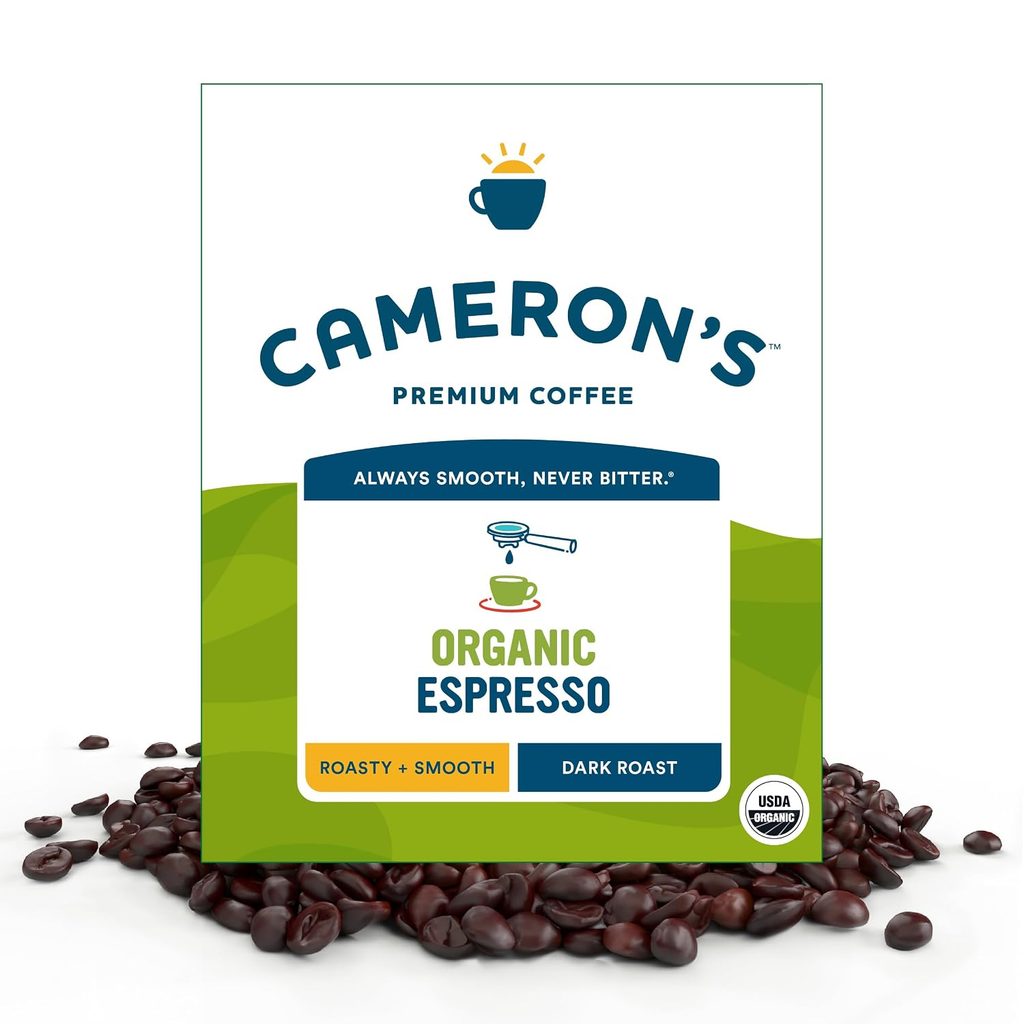
- Coffee Beans: Always start with fresh, whole beans. Pre-ground coffee loses flavor fast. Look for a roast date on the bag, and try to use beans within a month of that date. The roast level (light, medium, dark) is a matter of personal taste, but fresher is always better.
- Water: This is the main ingredient in your cup! If your tap water tastes bad or is very hard, your coffee will too. Use filtered or bottled water if you can. The water should be clean and taste good on its own.
Essential Brewing Equipment
You don’t need a fancy machine. These basic tools are the foundation.
- Grinder: A burr grinder is the best upgrade you can make. It crushes beans to a consistent size. Blade grinders chop unevenly, leading to bitter and sour tastes in the same brew. Consistency is key for even extraction.
- Scale: Measuring by weight is accurate. A tablespoon of a dark roast weighs less than a tablespoon of a light roast. Using a scale (in grams) ensures you use the same coffee-to-water ratio every time, which is crucial for repeatable results.
- Kettle: A gooseneck kettle gives you precise control over pouring. This is vital for methods like the pour-over. You can control the speed and location of the water, which soaks the grounds evenly.
- Brewer: This is your main device—a drip machine, a French press, an AeroPress, etc. Choose one based on the style of coffee you enjoy most.
The Importance of Coffee Freshness
Coffee beans are perishable. After roasting, they release carbon dioxide. This process, called degassing, is normal. But over time, oxygen stales the beans. Here’s how to keep them fresh:
- Buy in small amounts from a local roaster if possible.
- Store beans in an airtight container.
- Keep them at room temperature, away from light, heat, and moisture.
- Do not store beans in the fridge or freezer; condensation can ruin them.
Popular Manual Brewing Methods Explained
Manual brewing puts you in full control. It might seem complicated, but it’s just a series of simple steps. With a little practice, these methods become a quick and rewarding part of your day.
Pour-Over (e.g., Hario V60, Chemex)
This method makes a clean, bright cup that highlights the coffee’s delicate flavors. It involves pouring water in a slow, circular motion.
- Boil your water and let it cool for about 30 seconds (to 195-205°F).
- Place a paper filter in the dripper and rinse it with hot water. This removes paper taste and preheats the brewer.
- Add medium-fine ground coffee (a common ratio is 1 gram of coffee to 16 grams of water).
- Start a timer. Pour just enough water to soak all the grounds (the “bloom”). Wait 30 seconds.
- Slowly pour the remaining water in circles, keeping the water level steady. Aim to finish pouring by around 3 minutes.
- Let the last drops fall through, then remove the dripper and enjoy.
French Press
The French press is known for its full-bodied, rich texture. It uses a metal filter that lets oils and fine particles into the cup.
- Heat water to just off the boil (200°F). Use coarsely ground coffee (like breadcrumbs).
- Add coffee to the empty press. Pour all the water in, ensuring all grounds are wet.
- Place the lid on top with the plunger pulled up. Let it steep for 4 minutes.
- Press the plunger down slowly and steadily. If it’s very hard to press, your grind is too fine.
- Pour all the coffee out into your cup or a carafe immediately. Leaving it in the press will cause it to over-extract and become bitter.
AeroPress
The AeroPress is versatile, fast, and forgiving. It can make anything from a strong concentrate to a mild Americano-style coffee.
- Use fine to medium-fine grind. Place the AeroPress over a sturdy mug.
- Insert a paper filter and rinse it. Add your coffee.
- Pour hot water (175-185°F for milder, 200°F for stronger) up to the desired number.
- Stir gently for about 10 seconds to ensure all grounds are saturated.
- Insert the plunger and press down gently. It should take about 20-30 seconds. You’ll hear a hiss when done.
Mastering Your Technique
Great technique turns good beans into a great cup. It’s about the details you control during the brew.
The Four Fundamentals of Extraction
Extraction is pulling flavor from the grounds. Under-extracted coffee tastes sour and weak. Over-extracted coffee tastes bitter and harsh. You balance extraction with these four factors:
- Grind Size: This is your main adjustment tool. Finer grinds extract faster (risk of bitterness). Coarser grinds extract slower (risk of sourness).
- Water Temperature: Hotter water extracts faster. A range of 195°F to 205°F is standard. Light roasts often need hotter water, dark roasts slightly cooler.
- Brew Time: How long water contacts the coffee. A French press needs minutes, an espresso needs seconds.
- Agitation: Stirring or pouring vigorously increases extraction. Gentle pouring decreases it.
Dialing In Your Grind
If your coffee tastes off, adjust the grind first. Don’t change multiple variables at once.
- Make a cup note the taste.
- If it’s bitter or harsh, your grind is likely too fine. Make it coarser for your next cup.
- If it’s sour or weak, your grind is probably too coarse. Make it finer next time.
- Keep adjusting in small steps until the flavors taste balanced and pleasant to you.
Perfecting Your Water Quality and Ratio
The right ratio is a game-changer. A kitchen scale is essential for this.
- Ratio: A standard starting point is a 1:16 coffee-to-water ratio. For example, 20 grams of coffee to 320 grams of water. You can adjust to taste—more coffee (e.g., 1:15) for a stronger cup, less coffee (e.g., 1:17) for a lighter one.
- Water Quality: As mentioned, good water is non-negotiable. Hard water can make coffee taste flat. Water with strong chlorine tastes can come through in the cup. A simple carbon filter can make a huge improvement.
Troubleshooting Common Coffee Problems
Even experts run into issues. Here’s how to fix the most common ones.
My Coffee Tastes Bitter
Bitterness usually means over-extraction.
- Likely Cause: Grind is too fine, water is too hot, or brew time is too long.
- Fix: Try a coarser grind first. Ensure your water isn’t boiling. Shorten contact time if you can (e.g., press your French press sooner).
My Coffee Tastes Sour
Sourness typically points to under-extraction.
- Likely Cause: Grind is too coarse, water isn’t hot enough, or brew time is too short.
- Fix: Try a finer grind. Make sure your water is hot enough (just off the boil). Extend the brew time slightly.
My Coffee is Weak or Watery
This is about strength, not extraction.
- Likely Cause: You’re not using enough coffee for the amount of water.
- Fix: Adjust your ratio. Use more coffee or less water. Check that your grind isn’t extremely coarse, which can also lead to a weak perception.
Choosing the Right Method for You
With so many options, how do you pick? Think about your lifestyle and taste preferences.
For the Busy Morning Routine
You need speed and simplicity.
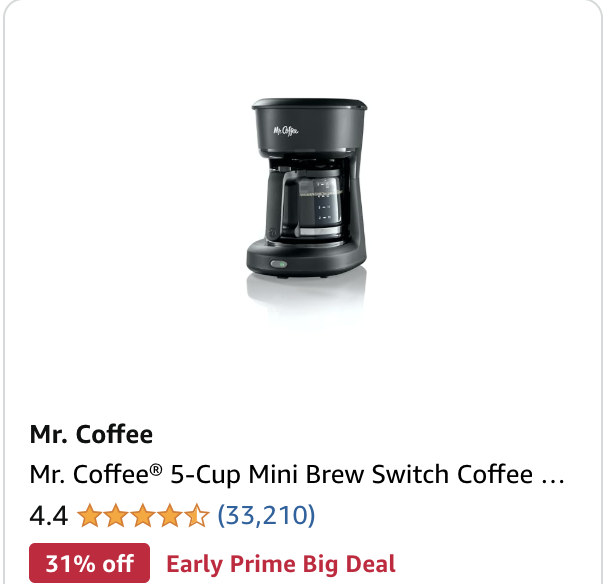
- Automatic Drip Machine: Choose a good-quality SCAA-certified machine. Grind beans right before you start it. It’s hands-off and consistent.
- AeroPress: Extremely fast cleanup (just pop the puck of grounds into the trash). The brew process is under two minutes.
For the Flavor Explorer
You want to taste the unique notes of different beans.
- Pour-Over: The clarity of this method lets you taste floral, fruity, or tea-like notes in light roasts. It’s the choice for many coffee professionals.
- Clever Dripper or Hario Switch: These are hybrid immersion-pour-over brewers. They offer the full body of immersion with the clean finish of a paper filter, which is great for balance.
For the Rich, Bold Flavor Lover
You enjoy a heavier, textured cup.
- French Press: The classic for body and richness. The metal filter allows oils and fine sediment through, creating that signature mouthfeel.
- Moka Pot: Makes a strong, almost espresso-like coffee on your stovetop. It’s great for those who enjoy intense flavor.
FAQ Section
What is the best way to brew coffee for beginners?
The AeroPress or a simple French press are excellent starting points. They are forgiving, require minimal extra gear, and produce a really good cup without needing perfect technique. An automatic drip machine with a built-in grinder is also a great, consistent option.
How does coffee brewing method affect caffiene content?
Brew time and coffee-to-water ratio are the main factors. Methods that use more coffee and/or longer contact time (like French press or cold brew) generally yield more caffeine per cup. Espresso has more caffeine per ounce, but you drink a smaller amount. A typical drip coffee cup has a standard, moderate caffeine level.
Do I need to use a scale to brew coffee properly?
It is highly, highly recommended for consistency. A tablespoon of a light roast coffee is denser than a tablespoon of a dark roast. Weight (grams) is accurate, volume (spoons) is not. A small kitchen scale is inexpensive and is the single best tool to improve your coffee’s consistency day after day.
Can I use pre-ground coffee for manual methods?
You can, but you’ll get a significantly better result with freshly ground beans. Pre-ground coffee begins staling immediately and you cannot adjust the grind size, which is your primary tool for fixing flavor problems. If you must use pre-ground, choose the grind size specified for your brewer and use it quickly.
What’s the difference between immersion and percolation brewing?
In immersion (like French press), coffee grounds soak in water for the entire brew time, then are separated. This often gives a fuller body. In percolation (like pour-over), water passes through a bed of grounds once, extracting flavors as it goes. This usually gives a cleaner, more articulate cup. Some methods, like the AeroPress, can be used both ways.
Final Thoughts on Improving Your Daily Cup
The journey to better coffee is a series of small adjustments. Start with fresh, whole beans and a decent grinder. Then, pick one brewing method and practice it. Pay attention to the taste and learn what each change does.
Remember that your preference is what matters most. The “perfect” cup is the one you enjoy drinking. Don’t be afraid to experiment with ratios, grind sizes, and water temperatures. Keep notes if it helps. Over time, you’ll develop an intuition for how to make a cup that’s just right for you, every single morning.