
You’ve probably found an old bag of coffee in the back of your cupboard and wondered, do coffee spoil? It’s a common question, as we don’t always finish a bag quickly. The short answer is yes, coffee does go bad, but not in the same way milk or bread does. Its journey from fresh and flavorful to stale and flat is all about the loss of those precious aromatic compounds. Understanding this process is key to keeping your brew tasting its best.
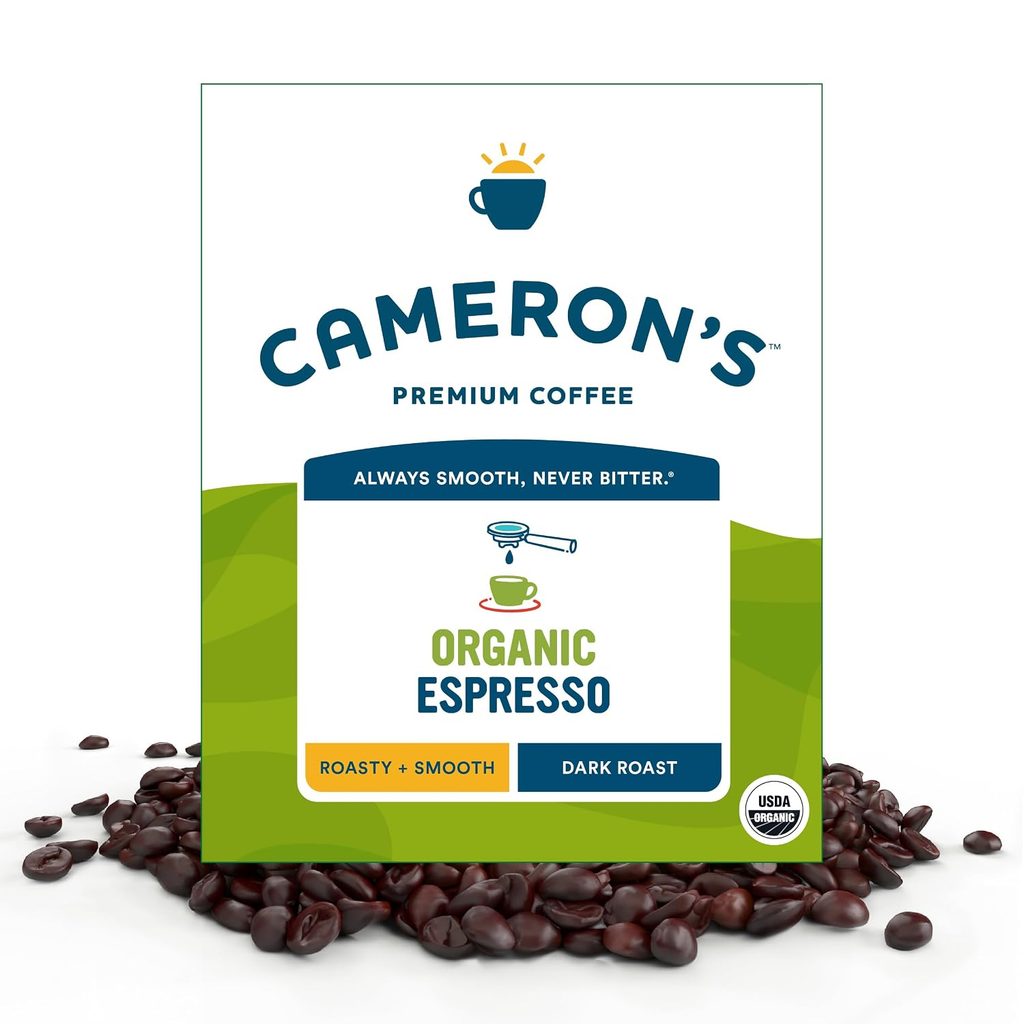
Do Coffee Spoil
Coffee doesn’t spoil in the sense of becoming unsafe to drink, like spoiled meat. You’re very unlikely to get sick from drinking old coffee. Instead, coffee undergoes a process called staling. It loses its vibrant flavors, aromas, and complexity, becoming dull, flat, and sometimes unpleasantly bitter or musty. Think of it like a loaf of bread going stale—it’s still edible, but it’s definitely not at its best.
The Main Enemies of Coffee Freshness
Four key factors speed up the staling process. Knowing these helps you fight them.
- Oxygen: This is the biggest villain. Exposure to air causes oxidation, which breaks down the flavorful oils and aromatic compounds in coffee.
- Moisture: Coffee beans and grounds are hygroscopic, meaning they absorb water from the air. This leads to mold growth in extreme cases and always degrades flavor.
- Heat: Storing coffee in a warm place, like above your oven, accelerates chemical reactions that destroy flavor.
- Light: Especially sunlight, UV light breaks down the coffee’s essential oils and changes its chemical structure.
Whole Bean vs. Ground Coffee: A Race Against Time
The form of your coffee makes a huge difference. Whole bean coffee has a much smaller surface area exposed to air. Once you grind coffee, you dramatically increase that surface area, exposing all those inner oils and compounds to oxygen. This means ground coffee goes stale much, much faster.
- Whole Beans: Can stay relatively fresh for about 1-3 months after roasting if stored well.
- Ground Coffee: May begin to stale significantly in as little as 1-2 weeks, sometimes even days after opening.
Does Instant Coffee Spoil?
Instant coffee is the most shelf-stable form. Because it’s been dehydrated, it’s less susceptible to moisture and oxidation in its sealed state. An unopened jar can last for years. Once opened, it can slowly lose flavor and absorb moisture, leading to clumping, but it remains safe to consume for a long time. The flavor, however, will diminish.
How to Tell If Your Coffee Has Gone Bad
Use your senses. Here’s what to look (and smell) for.
- The Smell Test: Fresh coffee has a strong, pleasant, aromatic smell. Stale coffee often smells dull, dusty, or has very little aroma at all. If it smells musty or rancid, it’s definitely past its prime.
- The Look Test: Check for any signs of mold (fuzzy spots), especially in pre-ground coffee or if moisture got into the bag. Oily beans can also indicate age, as oils migrate to the surface over time and can turn rancid.
- The Taste Test (Final Verdict): Brew a small amount. Stale coffee tastes flat, hollow, or overly bitter without any pleasant complexity. It might just taste like “hot brown water.” If it tastes off, it is off.
The Best Ways to Store Coffee for Maximum Freshness
Your storage strategy is your best defense. Follow these steps.
1. Choose the Right Container
Get the coffee out of its original bag if it’s not resealable with a strong valve. The best storage containers are:
- Airtight: Has a tight-sealing lid, like a clamp or screw-top.
- Opaque or Dark: Blocks out all light.
- Made of Ceramic or Stainless Steel: These are non-reactive and don’t hold odors.
Clear glass or plastic jars are only good if you keep them in a dark cupboard.
2. Find the Perfect Storage Spot
Location is crucial. The ideal spot is:
- Cool: Room temperature is fine. Avoid heat sources.
- Dark: Inside a cupboard or pantry, away from sunlight.
- Dry: Not in a humid spot like above the kettle or next to the dishwasher.
Do not store coffee in the refrigerator. The fridge is humid, and coffee can absorb odors from other foods, which will ruin its flavor.
3. To Freeze or Not to Freeze?
Freezing is a topic of debate. It can be useful for long-term storage of unopened bags or large quantities, but you must do it correctly.
- Do: Freeze coffee in an absolutely airtight, moisture-proof container or bag. Divide into portions you’ll use in one go.
- Don’t: Never freeze ground coffee. Avoid taking the coffee in and out of the freezer repeatedly, as condensation forms each time, introducing moisture.
- Thawing: Take out a portion and let it come to room temperature in its sealed container before opening it to prevent condensation on the beans.
For most people, buying smaller amounts more frequently and storing them in a cool, dark place is simpler and more effective.
Buying Smart: From Roaster to Cup
Freshness starts before you even get home. Here’s how to buy better.
- Check the Roast Date: Always look for a “Roasted On” date, not just a “Best By” date. Coffee is often at its peak flavor 1-2 weeks after roasting for many styles.
- Buy in Smaller Quantities: Purchase only what you’ll use within 2-3 weeks. This is better than buying a giant bag that sits for months.
- Consider Whole Bean: If you have a grinder, buy whole beans and grind just before brewing. It’s the single biggest improvement you can make to your coffee’s taste.
Brewing with Older Coffee: Can You Salvage It?
If your coffee is stale but not moldy, you can still drink it. You might need to adjust your method to get a better cup.
- Use a Bit More: Since flavor is diminished, try using a slightly higher coffee-to-water ratio (e.g., an extra gram or two per cup).
- Adjust Your Grind: For stale pre-ground coffee, you’re stuck. But if you have stale whole beans, try grinding them a bit finer to increase extraction and pull out more of the remaining flavor.
- Try a Different Method: A French press or full-immersion method can sometimes extract more from stale grounds than a fast pour-over.
Remember, these are fixes for drinkable stale coffee, not magic tricks to make it taste fresh again.
Special Cases: Cold Brew and Espresso
Different brewing methods interact with stale coffee in unique ways.
- Cold Brew: The long, cold steep time of cold brew can actually mask some staleness and produce a smoother, less acidic result even with older beans. It’s a great use for coffee that’s past its prime for hot brewing.
- Espresso: Espresso is unforgiving. It highlights every detail of the coffee. Stale coffee will often result in a flat, hollow shot with poor crema. Freshness is absolutely critical for good espresso.
Common Myths About Coffee Storage
Let’s clear up some widespread misconceptions.
- Myth: The freezer is the best place for coffee. As discussed, it’s risky due to moisture and condensation. Best for long-term, not daily, storage.
- Myth: The one-way valve bags are enough. Those valves let CO2 out but don’t stop oxygen from getting in over time once opened. After opening, transfer to an airtight container.
- Myth: Oily beans are always fresher. Not necessarily. Some dark roasts are oily right after roasting. But beans that become oily over time are often stale, and that oil can turn rancid.
- Myth: If there’s no mold, it’s fine. While safe, it can still taste terrible. “Fine” and “flavorful” are two different things.
FAQs: Your Coffee Freshness Questions Answered
How long does an unopened bag of coffee last?
An unopened, sealed bag with a one-way valve can last for several months past its roast date, though peak flavor is usually within the first month. The “best by” date is often 6-12 months after roasting.
Can you get sick from drinking expired coffee?
It is extremely unlikely. The main risk would be from mold growth if the coffee was exposed to significant moisture. If you see no mold and it doesn’t smell rancid, it won’t make you ill—it just won’t taste good.
Does brewed coffee go bad?
Yes, brewed coffee left at room temperature can grow mold or bacteria after a day or so. It’s best to drink it within a few hours or refrigerate it for iced coffee within an hour of brewing. Drink refrigerated coffee within 3-4 days.
What’s the best container for storing coffee beans?
An opaque, airtight container made of ceramic or stainless steel, kept in a cool, dark cupboard, is ideal. Some specialty containers have vacuum seals or CO2 valves for extra protection.
Should I grind all my coffee at once?
No. For the freshest taste, grind only the amount you need immediately before brewing. Grinding a whole bag at once exposes all that coffee to air, making it stale within days.
Does flavored coffee spoil faster?
Often, yes. The added flavoring oils can go rancid over time, and they sometimes introduce additional moisture. Check flavored coffees more carefully and store them very airtight.
Final Thoughts on Keeping Coffee Fresh
Coffee is a fresh agricultural product, and its quality fades with time. By understanding that air, moisture, heat, and light are its enemies, you can take simple steps to protect it. Buying fresh-roasted whole beans in smaller amounts, storing them properly in an airtight container in a dark cupboard, and grinding just before you brew will make a remarkable difference in your daily cup. While coffee may not spoil in a dangerous way, preserving its vibrant flavor is what makes the ritual so rewarding. So check that cupboard, assess your storage, and take action to ensure every sip is as good as it can be.