
Have you ever wondered how does a coffee maker work? That simple machine on your counter performs a clever series of steps to turn grounds and water into your morning cup. Understanding the process makes you appreciate the engineering and helps you troubleshoot problems or choose your next brewer.

Most automatic drip coffee makers, the common type in homes, operate on a straightforward principle. They heat cold water and drip it over ground coffee beans. The water extracts the flavors and oils, passing through a filter into a carafe below. While the concept is simple, the mechanics inside are precise.
How Does A Coffee Maker Work
At its core, a standard drip coffee maker is a system for controlling water, heat, and time. It follows a consistent sequence every time you press the “brew” button. Let’s break down the main components and the journey the water takes from the reservoir to your mug.
The Key Components Inside Your Machine
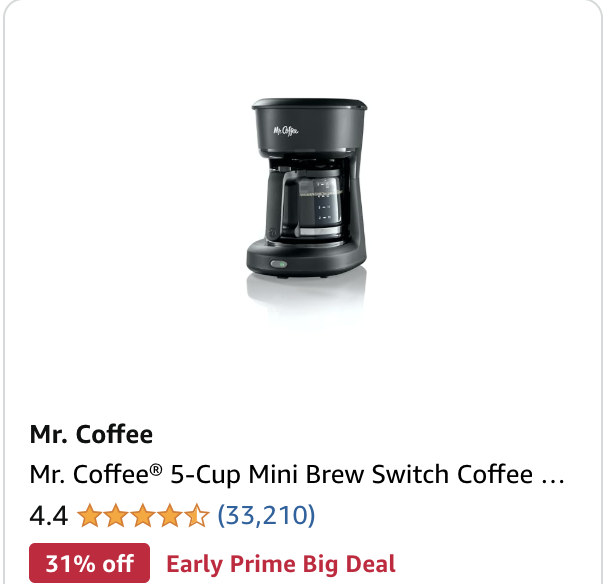
Every drip coffee maker has several essential parts that work together. Knowing these helps you understand the full process.
- Water Reservoir: This is where you pour the fresh, cold water. It’s usually a clear plastic tank at the back or side of the machine.
- Heating Element: A metal tube or plate that gets very hot, similar to an electric kettle’s element. It’s the engine of the coffee maker.
- Hot Water Tube: A narrow tube that carries the heated water up from the heating area to the showerhead.
- Showerhead (or Drip Area): This part distributes the hot water evenly over the coffee grounds. It ensures all grounds get saturated for even extraction.
- Filter Basket: The holder for your paper or permanent filter, where you place the ground coffee.
- Carafe: The glass or thermal jug that catches the finished coffee. It often sits on a warming plate to keep the coffee hot.
The Step-by-Step Brewing Process
The magic happens in a specific order. Here’s a numbered look at the cycle from start to finish.
- You Add Water and Coffee: You fill the reservoir with cold water and put the correct amount of ground coffee into the filter basket.
- The Heating Element Activates: When you start the machine, electricity flows to the heating element. It begins to heat up rapidly.
- Water is Drawn and Heated: A small tube (the intake tube) siphons cold water from the reservoir down to the heating chamber. The water quickly surrounds the hot element and boils or nears boiling.
- Pressure Forces Water Up: As the water heats, it creates pressure. This pressure pushes the hot water up through the hot water tube, against gravity.
- Water is Distributed: The hot water reaches the showerhead. It sprays or drips out in a pattern designed to wet all the coffee grounds evenly.
- Extraction Occurs: The hot water soaks through the bed of coffee grounds. It dissolves the desirable flavors, oils, and caffeine, creating the coffee liquid we drink.
- Filtration and Collection: The liquid coffee passes through the filter, which traps the used grounds. It then drips down into the waiting carafe below.
- Keeping Warm: Once brewing is complete, the warming plate under the carafe turns on. It uses a lower heat to keep the coffee at a drinkable temperature without continuing to cook it.
The Science of Extraction: It’s All About Balance
Brewing good coffee isn’t just about hot water meeting grounds. It’s a chemical extraction process. The goal is to pull out the tasty compounds (like certain acids and sugars) while leaving behind the bitter, over-extracted flavors.
- Water Temperature: Ideal extraction happens between 195°F and 205°F (90°C to 96°C). If the water is too cool, the coffee will taste weak and sour. If it’s too hot, it can become bitter.
- Contact Time: The water needs to be in contact with the grounds for the right amount of time. For drip coffee, this is usually 4-6 minutes. Too short, and it’s under-extracted; too long, and it’s over-extracted.
- Grind Size: The size of your coffee grounds is crucial. For drip makers, a medium grind is best. Fine grinds can clog the filter and over-extract, while coarse grinds can lead to weak coffee.
How Different Coffee Makers Vary
Not all coffee makers use the exact same method. The principle of extraction is universal, but the mechanics differ.
- Single-Serve Pod Machines: These use high pressure to force a small amount of very hot water through a sealed pod of grounds. They’re fast and convenient, but the process is more about pressure than gravity.
- French Press: Here, you add hot water directly to coarse grounds and let it steep. After several minutes, you press a plunger with a filter down to separate the grounds from the coffee. It’s a full-immersion method.
- Pour-Over (Manual Drip): You manually pour hot water from a kettle over grounds in a filter cone. You control the pour rate, water temperature, and pattern, leading to a very precise and often flavorful cup.
- Espresso Machines: These force pressurized, near-boiling water through very finely packed grounds. This creates a concentrated, syrupy shot with a layer of crema on top. The pressure is much higher than in a drip system.
Maintenance and Troubleshooting Common Issues
Knowing how your coffee maker works makes it easier to fix when it acts up. Regular maintenance is also key for taste and longevity.
Keeping Your Machine Clean
Mineral deposits from water (scale) and coffee oils can build up inside. This slows brewing, alters temperature, and makes coffee taste bad.
- Regular Cleaning: Wash the carafe, filter basket, and lid with warm soapy water after each use. Let them air dry.
- Descaling: Every 1-3 months, run a cycle with a mixture of equal parts white vinegar and water. Then, run several cycles with plain water to rinse any vinegar taste away. Some machines have a dedicated descaling mode.
- Exterior Care: Wipe the outside with a damp cloth. Never submerge the main unit in water.
What to Do When Things Go Wrong
- Slow Dripping or No Coffee: This is often a clog. Check for old grounds in the filter basket or showerhead. Descaling is usually the next step, as scale can block the internal tubes.
- Coffee is Lukewarm: The heating element might be failing, or scale insulation could be preventing proper heat transfer. Try descaling first. Also, ensure you’re using the correct amount of water—too little can overheat quickly.
- Leaking Water: Check that all parts (carafe, filter basket) are seated correctly. A cracked carafe or reservoir is a common culprit. Sometimes, the gasket where the basket meets the carafe area wears out.
- Machine Won’t Turn On: Check the power cord and outlet. Some machines have a safety shut-off if it overheats; unplug it for an hour and try again.
Choosing the Right Coffee Maker for You
With so many types available, your choice depends on your routine and taste preferences. Consider these factors.
- Speed vs. Control: Automatic drip makers are fast and hands-off. Pour-over and French press give you more control over variables but require more attention.
- Volume: Do you brew a whole pot for a family or just one cup for yourself? Single-serve or small pour-overs are better for solo drinkers.
- Flavor Profile: Different methods highlight different aspects of the coffee. Many people find pour-over and French press methods produce a richer, more nuanced flavor than a basic drip machine.
- Budget and Space: Simple drip makers are affordable and compact. Espresso machines are an investment and take up significant counter space.
The Importance of Water and Coffee Quality
Your machine is only as good as what you put into it. Two ingredients matter most.
Water: Since coffee is about 98% water, its quality is essential. Hard water with lots of minerals can cause scale and mute flavors. Filtered or bottled spring water often makes a noticeable difference in taste.
Coffee Beans: Always start with fresh, whole beans and grind them yourself just before brewing. Pre-ground coffee loses its flavorful oils and aromas quickly. Store beans in an airtight container in a cool, dark place—not the fridge or freezer.
Frequently Asked Questions (FAQ)
How does a coffee machine work?
A coffee machine, like a standard drip brewer, works by heating cold water from a reservoir. It then pumps that hot water up a tube to a showerhead, which drips it over coffee grounds. The brewed coffee filters through into a carafe.
What is the working principle of a coffee maker?
The main working principle is thermo-siphon or pump-assisted drip. Water is heated, creating pressure that moves it upwards. It then uses gravity to pull the hot water through the coffee grounds, extracting flavor before dripping into the pot.
How do coffee makers heat water so fast?
They use a concentrated, powerful heating element in a small chamber. Only a small amount of water is heated at a time (not the whole reservoir), which allows it to reach temperature quickly as it cycles through the system.
Why does my coffee maker take longer to brew than it used to?
Mineral scale buildup is the most likely cause. It coats the heating element and clogs small tubes, making the machine less efficient. Descaling your coffee maker should restore its normal speed.
Can I use my coffee maker just to heat water?
Yes, you can. Just run a cycle without coffee in the filter basket. However, be aware that the water may pick up slight coffee flavors from residual oils in the machine. For pure hot water, an electric kettle is often better.
How does the keep-warm function work?
A separate, lower-wattage heating element in the warming plate turns on after the brew cycle finishes. It maintains a temperature low enough to keep coffee warm but not so high that it continues to extract or burn the coffee.
Is it bad to leave coffee on the warmer for hours?
It’s not ideal for taste. Coffee will continue to cook and oxidize, becoming bitter and stale. For best flavor, transfer brewed coffee to an insulated thermos if you won’t drink it within about 30-60 minutes.
Understanding how does a coffee maker work demystifies your daily ritual. You see it not just as an appliance, but as a tool that manages temperature, time, and flow. With this knowledge, you can make better choices about your coffee, maintain your machine effectively, and truly appreciate the simple yet brilliant process that delivers your favorite drink every morning. Whether you prefer a quick drip pot or a careful manual pour, the fundamental goal remains the same: perfecting the extraction of flavor from a simple bean.