
If you’ve ever felt that familiar, uncomfortable burn after your morning cup, you’re not alone. Many people wonder, can coffee give you heartburn? The short answer is yes, it absolutely can. For a significant number of coffee lovers, that beloved beverage is a common trigger for acid reflux symptoms. The connection is well-documented, but the reasons are more complex than you might think. It’s not just about the acidity. Let’s look at why this happens and, more importantly, what you can do about it so you don’t have to give up your daily ritual.
Can Coffee Give You Heartburn
Coffee is a complex drink with hundreds of compounds. Several of these directly influence the digestive system in ways that can lead to heartburn. The primary culprits are caffeine, natural acids, and other compounds that relax a critical muscle.
The Role of Caffeine in Triggering Acid Reflux
Caffeine is a major player. It contributes to heartburn in two key ways:
- Relaxes the Lower Esophageal Sphincter (LES): The LES is a ring of muscle that acts as a valve between your esophagus and stomach. When it’s tight, it keeps stomach acid where it belongs. Caffeine can relax this muscle, allowing acid to splash back up.
- Can Stimulate Gastric Acid Secretion: Caffeine may prompt your stomach to produce more acid. More acid plus a weakened valve is a recipe for discomfort.
Coffee’s Natural Acidity
Most coffee is naturally acidic, with a pH ranging from about 4.5 to 6. This acidity can directly irritate the lining of your esophagus, which is much more sensitive than your stomach lining. For some, this irritation alone is enough to cause a burning sensation, even without significant acid reflux.
Other Compounds in Coffee
Even decaf coffee can cause heartburn for some people. This points to other compounds being at fault:
- N-methylpyridinium (NMP) and Chlorogenic Acids: These natural chemicals in coffee can stimulate higher stomach acid production.
- Oils and Diterpenes: The natural oils in coffee beans, especially in darker roasts, might also contribute to increased acid secretion.
How You Drink Coffee Matters Too
It’s not just what’s in the cup; it’s how you consume it. Your habits can make heartburn more or less likely.
- Drinking on an Empty Stomach: This sends concentrated acid and coffee compounds into an empty stomach, often leading to a stronger reaction.
- Drinking Large Volumes: A bigger cup means more fluid putting pressure on the LES, making it easier for contents to reflux.
- Lying Down Afterward: Gravity helps keep acid down. Reclining or going to bed soon after coffee removes this help.
Practical Strategies to Enjoy Coffee Without the Burn
You don’t necessarily have to quit coffee. Try these adjustments first to see if they make a difference for you.
1. Experiment with Different Coffee Types
Not all coffee is created equal. Swapping your usual bean could be a simple fix.
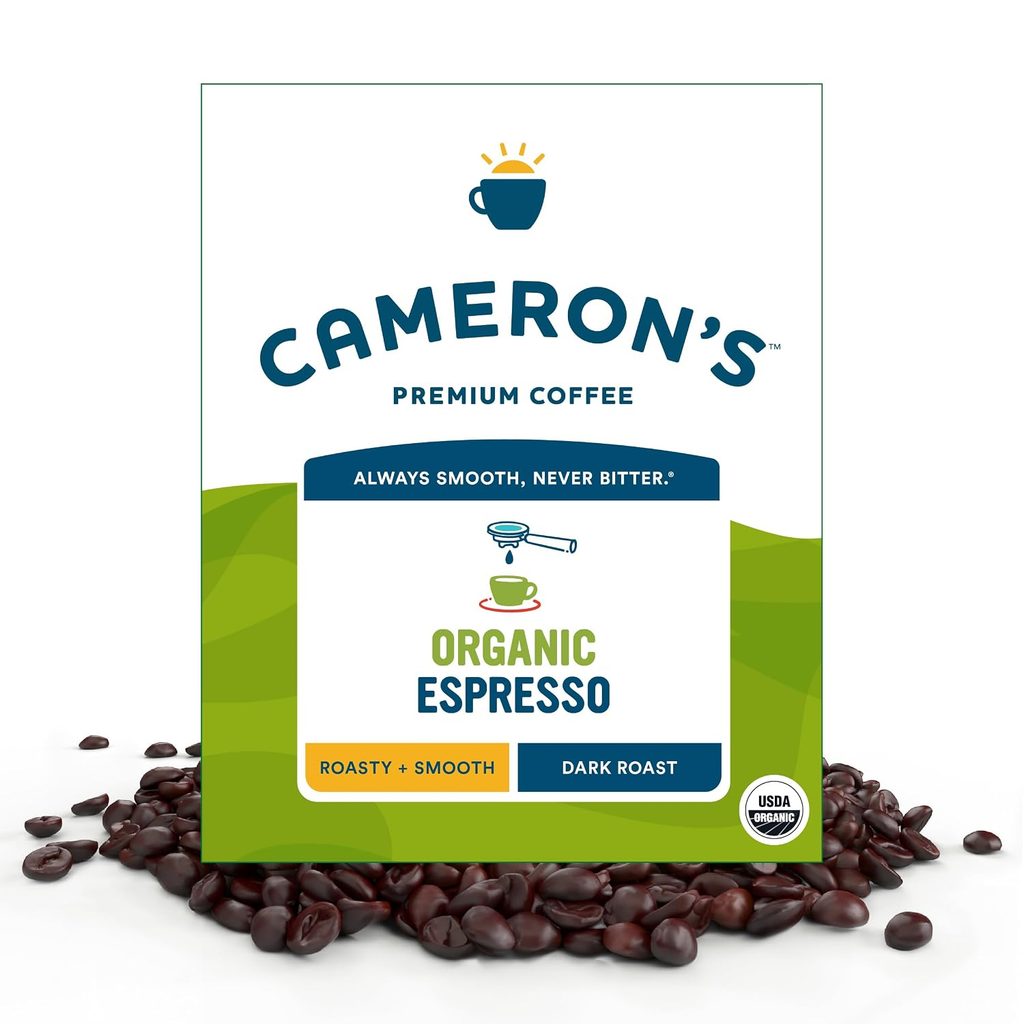
- Try a Dark Roast: Dark roast coffees are often less acidic than light roasts. The longer roasting process breaks down more of the acid-causing compounds.
- Consider Low-Acid Coffee Brands: Several brands process their beans to reduce acidity. Look for coffee labeled as “stomach-friendly” or “low acid.”
- Test Cold Brew: The cold brewing process extracts fewer acidic compounds and oils from the grounds. The result is a smoother, often 60-70% less acidic cup that’s gentler on your stomach.
2. Adjust Your Brewing Method
How you make your coffee changes its chemical profile. Here’s what to try:
- Use a coarse grind for methods like French press, which can extract fewer bitter oils.
- Opt for paper filter brewing (like drip machines). The paper trap catches more of the oils and diterpenes linked to acid production.
- Avoid letting coffee sit on a hot plate for hours, as this can increase acidity and bitterness.
3. Modify Your Drinking Habits
Small changes in timing and routine can have a big impact.
- Never Drink on an Empty Stomach: Have your coffee with or right after a meal. Food acts as a buffer and can help absorb some of the acids.
- Limit Your Cup Size: Stick to one smaller cup instead of a large mug. Sometimes its the volume that triggers the problem.
- Stay Upright: Avoid drinking coffee right before lying down or napping. Give yourself at least 30-60 minutes of upright time afterward.
4. Try Decaffeinated Coffee
Since caffeine is a key trigger, switching to decaf is one of the most effective steps. Remember, decaf isn’t acid-free, but removing the caffeine can significantly reduce its impact on your LES. It’s worth a fair trial for a week or two.
5. Mind Your Add-Ins
Sometimes, it’s not the coffee—it’s what you put in it. High-fat dairy (like heavy cream) or sugary flavored syrups can slow digestion and increase reflux on their own. Try using oat milk or almond milk, which are often gentler for people with reflux.
When to See a Doctor About Coffee and Heartburn
Occasional heartburn is common. But if it becomes a frequent problem, it’s time to seek professional advice. Here are the signs:
- You experience heartburn two or more times a week.
- Over-the-counter antacids aren’t providing consistent relief.
- You have difficulty swallowing or feel like food is stuck in your chest.
- You have persistent nausea or vomiting.
- You’re experiencing unexplained weight loss alongside heartburn.
A doctor can diagnose whether you have simple acid reflux or a condition like GERD (Gastroesophageal Reflux Disease) and recommend appropriate treatment. They can also rule out other issues.
Long-Term Management and Alternatives
If you find that even with modifications, coffee consistently causes problems, you may need to consider a break or alternatives.
Taking a Coffee Break
Eliminating coffee for 2-4 weeks can be a powerful diagnostic tool. If your heartburn disappears, you’ve identified a clear trigger. You can then try slowly reintroducing it using the gentler methods above.
Exploring Coffee Substitutes
Many satisfying alternatives can mimic the ritual and warmth of coffee without the side effects.
- Chicory Root “Coffee”: Roasted and ground chicory root brews like coffee and has a similar, slightly nutty flavor. It’s naturally caffeine-free and low in acid.
- Dandelion Root Tea: Another roasted root beverage that offers a deep, rich flavor profile similar to coffee.
- Herbal or Green Teas: For a caffeine boost, green tea is often better tolerated due to different compounds and lower acidity. For no caffeine, rooibos or peppermint tea are great options (though peppermint can relax the LES in some people).
- Grain-Based Drinks: Barley or rye-based hot drinks can provide a roasted, comforting taste.
Frequently Asked Questions (FAQ)
Why does coffee cause heartburn?
Coffee can cause heartburn primarily because caffeine relaxes the lower esophageal sphincter (LES), allowing stomach acid to escape. Its natural acidity can also irritate the esophagus, and other compounds in coffee stimulate excess stomach acid production.
Is decaf coffee better for acid reflux?
For many people, yes. Removing caffeine eliminates one of the main triggers for LES relaxation. However, decaf coffee still contains acids and other compounds, so it may not be a complete solution for everyone. It’s generally a good first step to try though.
What type of coffee is least likely to cause heartburn?
Cold brew coffee, dark roast coffee, and brands specifically processed to be low-acid are typically the least likely to trigger heartburn. Brewing with a paper filter can also help reduce problematic oils.
Can adding milk to coffee help with heartburn?
It might help temporarily by diluting the coffee, but it’s not a reliable fix. For some, high-fat milk can actually worsen reflux by slowing digestion. If you try milk, opt for a low-fat or non-dairy version.
How long after drinking coffee can heartburn occur?
Heartburn from coffee can occur almost immediately or within an hour after drinking. The timing depends on your individual sensitivity, whether your stomach was empty, and how much you consumed.
Are some people more sensitive to coffee and heartburn?
Absolutely. Individual physiology varies greatly. People with a naturally weaker LES or those diagnosed with GERD are much more likely to be sensitive to coffee’s effects. Genetics and overall diet also play a big role.
Conclusion
So, can coffee give you heartburn? Clearly, the evidence says yes. The combination of caffeine, acids, and other natural compounds makes it a common trigger. But this doesn’t mean a lifetime of bland substitutes is your only option. By understanding the “why,” you can make smart, informed choices. Start by experimenting with dark roasts, cold brew, or low-acid brands. Change your brewing method and always have coffee with food. If those steps don’t work, trying decaf or a short coffee break can tell you a lot about your personal tolerance. Listen to your body—it will give you the best clues. With a bit of patience and experimentation, you can often find a way to enjoy your cup without the painful consequences.