
If you love coffee but hate the heartburn that sometimes follows, you’re not alone. Learning how to drink coffee without getting acid reflux is a common goal for many java lovers. The good news is that with a few smart adjustments, you can often enjoy your daily cup without the painful consequences. This guide will give you practical, science-backed tips to make your coffee routine more stomach-friendly.
How To Drink Coffee Without Getting Acid Reflux
This main approach involves changing how you choose, prepare, and consume your coffee. It’s not about one magic fix, but combining several strategies that work together. By the end, you’ll have a clear plan to try.
Why Coffee Triggers Acid Reflux
First, it helps to understand what’s happening. Acid reflux occurs when stomach acid flows back up into your esophagus. Coffee can encourage this in two primary ways.
- It Relaxes the LES: The lower esophageal sphincter (LES) is a valve that keeps stomach contents down. Caffeine can relax this valve, making it easier for acid to escape.
- It Stimulates Acid Production: Coffee, even decaf, prompts your stomach to produce more gastric acid. More acid means a higher chance of it splashing upwards.
Other compounds in coffee, like certain acids and oils, can also irritate the stomach lining directly. The type of bean, roast, and brew method all influence these factors.
Choose Your Beans and Roast Wisely
Not all coffee is created equal when it comes to acidity. Your first line of defense is picking the right kind.
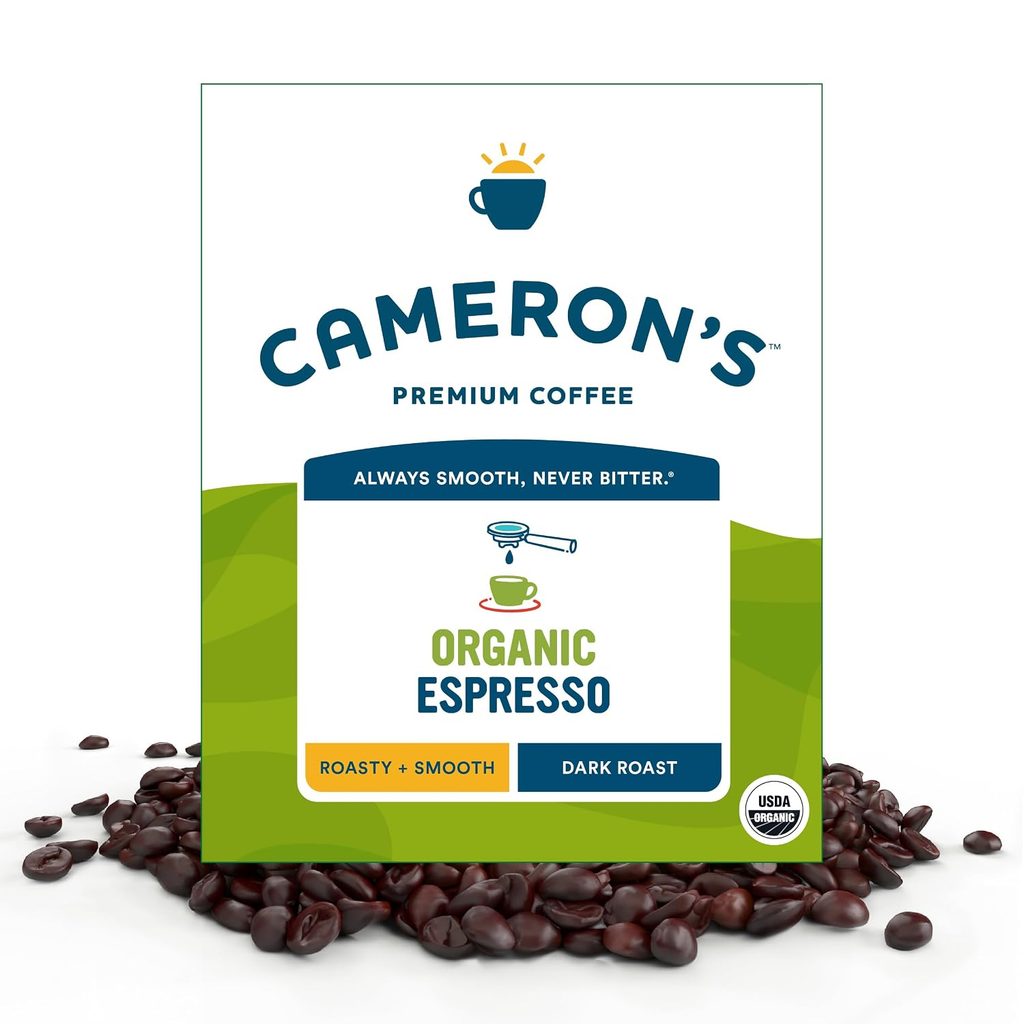
Opt for Dark Roasts
Dark roast coffees are generally less acidic than light roasts. The longer roasting process breaks down more of the natural acids in the bean. A study published in the Journal of Agricultural and Food Chemistry found that dark roasts contain a compound that reduces stomach acid production. If you usually drink light or medium roasts, switching to dark could make a significant difference.
Consider Low-Acid Coffee Brands
Several brands specifically market low-acid coffee. These are often processed with methods like steam or water washing to remove irritating compounds before roasting. They can be a great option to try, though flavor profiles may differ from your usual cup.
Bean Origin Matters
Generally, beans from Brazil, Sumatra, and Peru tend to be lower in acidity. Beans from regions like Kenya or Ethiopia are often brighter and more acidic. Check the label or ask your roaster about the origin’s typical profile.
Master the Brewing Method
How you make your coffee is just as important as the beans you use. Some methods extract fewer of the compounds that bother your stomach.
Cold Brew is Your Friend
Cold brew coffee is famously smoother and less acidic. Brewing with cold water over 12-24 hours extracts different compounds than hot water, resulting in a cup that’s up to 70% less acidic. You can drink it cold or gently heat it. It’s one of the most effective single changes you can make.
Use a Paper Filter
If you prefer hot coffee, always use a paper filter. French press and metal filter methods allow oils called diterpenes (like cafestol) to pass into your cup. These oils can irritate the stomach. Paper filters trap these oils and some acids, leading to a cleaner, less irritating brew.
Smart Preparation and Add-Ins
What you put in your coffee can help neutralize acids and create a protective buffer in your stomach.
Add a Pinch of Salt
A tiny pinch of salt (just a few grains) in your grounds before brewing can neutralize some bitterness and perceived acidity. Don’t add it to your cup, as that will make it taste salty. Add it to the grounds so it reacts during the brewing process.
Choose Your Milk Carefully
Dairy milk, especially full-fat or whole milk, can coat the stomach and act as a buffer against acid. If you’re lactose intolerant, oat milk is an excellent alternative—it’s naturally creamy and often has a soothing effect. Avoid skim milk, as it can be more acidic.
Try Eggshells or Baking Soda
Old-fashioned tricks have merit. Adding a cleaned, crushed eggshell to your used grounds can help neutralize acid during brewing. Similarly, a tiny sprinkle of baking soda (a base) in your finished cup can counteract acidity. Start with a very small amount to avoid affecting taste.
Change Your Drinking Habits
When and how you drink can be the deciding factor between comfort and heartburn.
- Never Drink on an Empty Stomach: Always have coffee with food or after a meal. Food absorbs some of the acid and provides a protective layer. Drinking coffee first thing in the morning on an empty stomach is a major trigger for many people.
- Limit Your Portion: Stick to one cup. The more coffee you drink, the more you stimulate acid production and relax the LES. Consider using a smaller mug.
- Sip Slowly, Don’t Gulp: Drinking quickly can introduce more air into your digestive system (leading to bloating and pressure) and overwhelm your stomach with a sudden influx of acid.
- Stay Upright: Avoid drinking coffee right before lying down or bending over. Gravity helps keep acid down, so remain upright for at least 30-60 minutes after your last sip.
Manage Your Overall Diet and Lifestyle
Your coffee experience is influenced by everything else you do. Managing reflux is a holistic effort.
- Watch Trigger Foods: If you have coffee alongside other triggers like citrus, tomato, spicy food, or chocolate, you’re stacking the odds against yourself. Try to space them out.
- Maintain a Healthy Weight: Excess weight, especially around the abdomen, puts pressure on your stomach and can force acid upward.
- Don’t Wear Tight Clothing: Tight belts or waistbands can have a similar effect, putting pressure on your stomach during digestion.
- Stay Hydrated with Water: Drinking water throughout the day helps dilute stomach acid and can aid digestion, taking some burden off your system.
When to Consider Decaf or Alternatives
If you’ve tried everything and still struggle, it might be time to look at caffeine itself or other options.
Give Decaf a Real Chance
Since caffeine relaxes the LES, switching to decaf can provide relief. Modern water-processed decaf tastes much better than it used to. Remember, even decaf coffee still contains some acid-producing compounds, so pair this change with other tips like dark roast and cold brew.
Explore Coffee Alternatives
Sometimes, a break can help. Try substitutes like:
- Chicory Root “Coffee”: Naturally caffeine-free and low in acid, with a similar roasted flavor.
- Dandelion Root Tea: Another roasted, coffee-like alternative that’s gentler on the gut.
- Teecino: A popular brand of herbal coffee made from grains, fruits, and nuts.
These can give your stomach a rest while maintaining your ritual.
Listen to Your Body and Experiment
Everyone’s body is different. What triggers reflux in one person might be fine for another. The key is to experiment systematically.
- Start with one change, like switching to a dark roast cold brew.
- Give it a few days to see if you notice a improvement.
- If not, add another strategy, like always having it with breakfast.
- Keep a simple journal to track what works and what doesn’t.
Be patient. Finding your perfect balance may take a couple weeks of trial and error, but it’s worth it to enjoy coffee comfortably again.
Frequently Asked Questions (FAQ)
Is cold brew coffee better for acid reflux?
Yes, in most cases. The cold brewing process extracts less of the acidic compounds from the coffee grounds, making it a much gentler option for people prone to heartburn and acid reflux.
What can I add to coffee to prevent acid reflux?
Adding dairy milk (especially whole milk) or a non-dairy alternative like oat milk can help. A tiny pinch of baking soda in your cup can neutralize acid, but use it sparingly. The best thing to add is food—always drink your coffee with a meal or snack.
Does decaf coffee cause less acid reflux?
It often does, because the caffeine is removed. Caffeine is a major culprit in relaxing the valve that keeps stomach acid down. However, decaf coffee is still acidic, so it may not be a complete solution on its own.
Are certain coffee brands lower in acid?
Yes. Look for brands that are specifically marketed as “low-acid” or “stomach-friendly.” These are typically processed to remove irrititing compounds. Examples include Puroast, Lifeboost, and Lucy Jo’s Coffee.
Can how I drink coffee affect reflux?
Absolutely. Drinking quickly, drinking on an empty stomach, or having coffee right before laying down are all habits that can make acid reflux much more likely. Changing these habits is a crucial part of the solution.
Should I avoid coffee if I have GERD?
Not necessarily, but it’s a common trigger. Many people with GERD (chronic acid reflux) find they can tolerate coffee by using the strategies outlined here, like cold brew, dark roast, and careful timing. It’s best to discuss with your doctor, but complete elimination isn’t always required.