
If you’ve ever looked at a bag of coffee in your pantry and wondered how long can coffee last, you’re not alone. It’s a common question for anyone who wants to enjoy a great cup without waste. The answer isn’t just one date, because it depends on whether you’re talking about whole beans, ground coffee, or a brewed pot. This guide will give you clear, practical answers so you can always enjoy your coffee at its best.
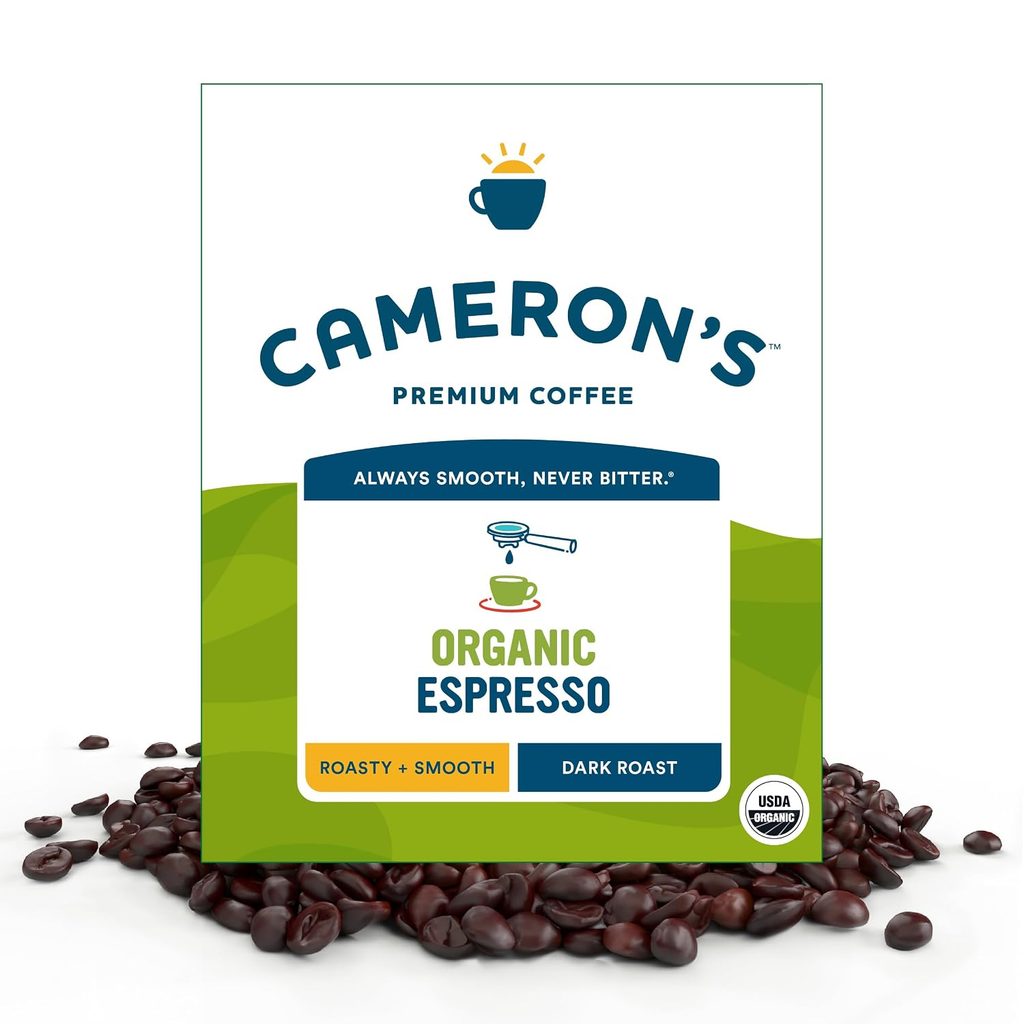
How Long Can Coffee Last
At its core, coffee is a perishable food product. Its biggest enemies are air, moisture, heat, and light. Over time, these elements cause coffee to go stale, losing the volatile compounds that create its aroma and flavor. “Lasting” can mean two things: staying safe to drink and retaining good flavor. Coffee is generally safe for a very long time, but its peak flavor fades quickly. Understanding this difference is key to managing your supply.
The Lifespan of Whole Bean Coffee
Whole bean coffee has the longests lifespan before brewing. The bean’s natural structure protects the inner oils and flavors from exposure. An unopened bag of whole beans, stored in a cool, dark place, can retain decent quality for 6 to 9 months past its roast date. However, “peak” freshness is much shorter.
- Peak Freshness (1-3 weeks post-roast): This is when coffee tastes its absolute best. The complex flavors are fully developed and vibrant.
- Good Quality (1-2 months): The coffee will still make a good cup, but some of the brighter, more nuanced notes will begin to fade.
- Stale but Safe (6+ months): After several months, the coffee will taste flat and dull. It won’t be harmful, but it won’t be enjoyable either.
Once you open the bag, the clock speeds up. You should aim to use opened whole beans within 2 to 4 weeks for the best experience.
The Lifespan of Ground Coffee
Ground coffee has a much shorter shelf life. The increased surface area exposes all those flavorful oils directly to air, accelerating oxidation. Pre-ground coffee from the store begins staling the moment its ground.
- Peak Freshness (Just a few days): For truly great flavor, use pre-ground coffee within a week of opening the package.
- Acceptable Quality (1-2 weeks): It will make an okay, but noticeably less vibrant, cup of coffee.
- Stale (1 month+): After a month open, ground coffee is typically very stale, tasting woody or papery.
An unopened bag of pre-ground can last 3 to 5 months in the pantry, but it will never be as good as fresh-ground beans.
The Lifespan of Brewed Coffee
Liquid coffee is a different story entirely. Here, bacterial growth becomes a factor alongside flavor loss.
- At Room Temperature: Brewed coffee should not be left out for more than a few hours. It can develop off-flavors and, after a full day, could potentially harbor bacteria.
- In the Refrigerator: Stored in a sealed container, brewed coffee is safe to drink for about 3-4 days. The flavor will degrade each day, becoming more acidic and less balanced.
- In the Freezer: For longer storage, you can freeze brewed coffee in ice cube trays or airtight containers for up to a month. Thaw it in the fridge. The flavor will still diminish, but it’s a good option for iced coffee bases.
How to Store Coffee for Maximum Freshness
Proper storage is the single most effective way to extend your coffee’s good flavor. Follow these steps to protect your beans or grounds.
1. Choose the Right Container
The best storage containers are airtight and opaque. Ceramic or stainless steel canisters with a rubber seal are ideal. Avoid clear glass or plastic if you store it on the counter, as light will degrade the coffee. If you use a clear container, keep it inside a cupboard.
2. Control the Environment
Keep your coffee away from its four enemies:
- Air: Always seal the container tightly after each use.
- Moisture: Never store coffee in the fridge or freezer (unless it’s brewed). The condensation that forms when you take it out introduces moisture, which ruins flavor and can cause mold.
- Heat: Store away from the oven, stove, or top of the refrigerator.
- Light: Keep it in a dark pantry or cupboard.
3. Buy in the Right Quantities
The best storage strategy is to buy only as much coffee as you’ll use within 2 to 4 weeks. Purchase from local roasters who stamp a “roast date” on the bag, not just a “best by” date. This ensures you’re starting with the freshest product possible.
Signs Your Coffee Has Gone Bad
It’s usually obvious when coffee is past its prime. Here’s what to look (and smell) for:
- Flat Aroma: Fresh coffee has a strong, pleasant aroma. Stale coffee smells like nothing, or just vaguely like cardboard.
- Dull Flavor: The main sign of staleness is a lack of flavor. Your cup will taste bland, bitter without complexity, or just “off.”
- Visible Mold or Moisture: If you see any signs of mold, clumping from moisture, or an oily sheen on old beans (beyond normal oils), discard the coffee immediately.
Remember, tasting a stale cup is disappointing, but drinking old, moldy coffee can be a health risk. When in doubt, throw it out.
Special Cases: Instant, Pods, and Cold Brew
Instant Coffee
Instant coffee is the most shelf-stable form. An unopened jar can last for 2-3 years in your pantry. Once opened, keep the lid on tight to prevent clumping from humidity. It should stay good for several months. The flavor won’t really “decline” because it was already processed for longevity, not peak flavor.
Coffee Pods (Like Keurig K-Cups)
Pods are individually sealed, which protects the pre-ground coffee inside. An unopened pod can last for 6 to 12 months past its date before the plastic packaging might start affecting taste. Use opened boxes within a few weeks for best results, as the outer box isn’t perfectly airtight.
Cold Brew Concentrate
Homemade or store-bought cold brew concentrate is a brewed product. Store it in a clean, airtight container in the refrigerator.
- Homemade: Lasts 7-10 days in the fridge.
- Store-Bought (Unopened): Check the “best by” date, often many months out.
- Store-Bought (Opened): Use within 7-10 days, just like homemade.
Common Myths About Coffee Storage
Let’s clear up some widespread misconceptions.
- Myth: The freezer is the best place to store beans. For daily use, no. The constant thawing and refreezing creates condensation. Only freeze coffee if you are storing a large, unopened bag for more than a month. Portion it into airtight bags, remove as much air as possible, and thaw a bag at a time in the fridge overnight without opening it.
- Myth: A valve bag is enough protection. Those one-way valve bags are great for letting CO2 out without letting air in, but only while sealed. Once you open it, the bag is no longer airtight. Transfer the contents to a proper container.
- Myth: Stale coffee is just weaker. Staleness isn’t about caffeine strength; it’s about flavor degradation. The caffeine content remains relatively stable over time.
Step-by-Step: Reviving Slightly Stale Coffee
If your coffee is just a bit past its prime but not rancid, you can try these tricks to make a more acceptable cup:
- Grind It Finer: If you’re using stale whole beans, try a slightly finer grind. This increases extraction to pull out more of the remaining flavor.
- Use a Pinch of Salt: A tiny pinch of salt in your grounds before brewing can help counteract increased bitterness from stale coffee.
- Adjust Your Ratio: Use a little more coffee per cup than usual. For example, if you use 2 tablespoons per 6 ounces, try 2.5 tablespoons.
- Make Cold Brew: The cold, slow extraction process of cold brew can produce a smoother, less acidic result from stale grounds, masking some of the flatness.
These are fixes, not miracles. They won’t make old coffee taste fresh, but they can make it more drinkable.
FAQs on Coffee Longevity
Can you drink coffee that’s 2 years old?
If it’s unopened instant coffee or sealed whole beans, it’s probably safe but will taste very stale. For opened packages or ground coffee, the flavor will be terrible, and there’s a higher chance of moisture or mold. It’s not recommended.
Does coffee expire or go bad?
Coffee doesn’t “expire” in the same way milk does. It undergoes staling, which is a slow loss of flavor and aroma. It only truly “goes bad” if it develops mold from moisture exposure, which makes it unsafe.
How can I tell if my coffee is stale?
The main signs are a lack of fragrant aroma when you open the bag or grind it, and a flat, dull, or overly harsh taste in the cup. Fresh coffee should smell and taste vibrant.
What is the best way to store coffee beans?
In an airtight, opaque container made of ceramic or stainless steel, kept in a cool, dark cupboard away from heat sources. Buy only a 2-4 week supply at a time.
Should coffee be refrigerated?
No, do not refrigerate coffee beans or grounds. The humidity and temperature changes inside a fridge introduce moisture and can cause the coffee to absorb other food odors. The freezer is only for long-term storage of unopened portions.
How long does opened coffee last?
Opened whole bean coffee lasts about 2-4 weeks at good quality. Opened ground coffee lasts about 1-2 weeks. Always seal it tightly in an airtight container after each use.
Can old coffee make you sick?
Properly dried, stored coffee is very low risk. The main danger is from mold growth, which can occur if moisture gets into the package. If you see mold or smell mustiness, discard it. Drinking stale coffee is unpleasant but not typically harmful.
Final Tips for Lasting Freshness
To sum it all up, the secret to great coffee is treating it like a fresh ingredient. Think of it more like bread from a bakery than canned goods from your pantry. Invest in a good burr grinder and buy whole beans in small quantities from a local roaster. Grind just before you brew, and store those beans properly. By understanding how long coffee can last in its various forms, you can say goodbye to wasted bags and disappointing cups. You’ll enjoy better flavor in every sip and get the full value from your favorite beans.