
If you’ve ever wondered ‘how many oz in a coffee cup,’ you’re not alone. The answer is surprisingly tricky, because it depends entirely on what type of ‘cup’ you’re talking about. A standard coffee mug, a kitchen measuring cup, and the cup listed on your coffee maker all hold different amounts.
This guide will clear up the confusion. We’ll look at every common type of coffee cup, from espresso shots to travel tumblers. You’ll learn exactly how much they hold and why it matters for making your perfect brew.
How Many Oz In A Coffee Cup
Let’s start with the most important point. In the United States, a “cup” in coffee brewing is typically 5 to 6 fluid ounces. This is not the same as the 8-ounce cup used for liquid measurements in cooking. Coffee carafes and machine markings use this smaller 5-6 oz standard.
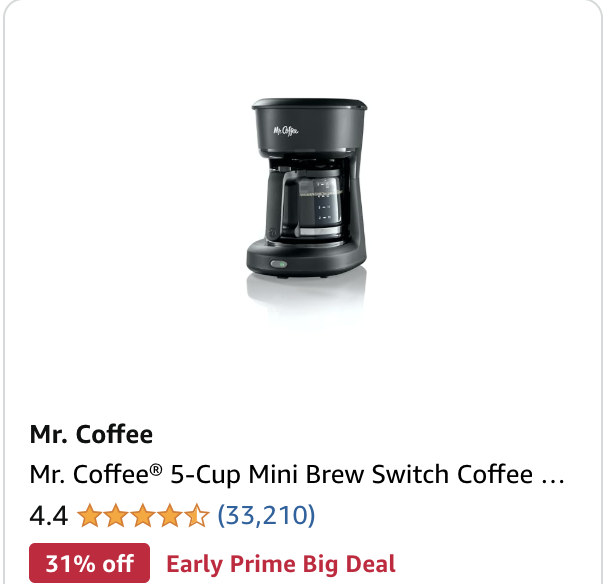
This tradition dates back to early coffee brewing systems. The smaller measure accounted for the water absorbed by the coffee grounds. So when your 12-cup brewer says it makes 12 cups, it means 60-72 oz of liquid coffee, not 96 oz.
The Standard Coffee Mug
Today, the mugs in your cupboard are probably much larger. A standard ceramic coffee mug often holds 8 to 12 fluid ounces. This is the most common size for enjoying a casual cup of coffee at home.
- Small Mug: 8 oz – Good for a strong, concentrated brew.
- Average Mug: 10-12 oz – The most popular size for daily use.
- Oversized Mug: 14-20 oz – For those who like a large portion to sip on.
Official Measuring Cups vs. Coffee Cups
This is where confusion happens. In U.S. cooking, 1 cup equals 8 fluid ounces. It’s a precise volume used in recipes. Your coffee maker’s “cup” is different. Always check your appliance’s manual to see its defined cup size, usually 5 oz.
Why Coffee Makers Use a 5-Oz Cup
The 5-ounce standard is a holdover from the percolator era. It was based on a common teacup size and accounted for water loss. Modern machines still use it for consistency, even though our mugs are bigger. So if you pour a “cup” from your brewer into a 12-oz mug, you’ll only fill it halfway.
International Coffee Cup Sizes
Outside the U.S., sizes vary. In Europe and other metric countries, a standard coffee cup is often 250 milliliters, which is about 8.45 fluid ounces. However, serving sizes for different coffee drinks can be much smaller.
- United Kingdom: A typical mug is about 10 oz (284 ml).
- Australia: A standard mug is large, often 350 ml (nearly 12 oz).
- Japan: Coffee servings in cafes are frequently smaller, around 6-8 oz.
Espresso and Demitasse Cups
For espresso, the cup is tiny. A demitasse cup holds 2-3 fluid ounces. It’s designed for the concentrated, 1-2 ounce shot of espresso. This is not meant to be a large, sipping drink.
Travel Tumblers and Insulated Mugs
Travel mugs come in a huge range of sizes. They are designed for portability and keeping coffee hot for hours. Common capacities include:
- 12 oz (350 ml) – Compact, fits in most car cup holders.
- 16 oz (475 ml) – Very popular, similar to a “grande” at many cafes.
- 20 oz (590 ml) and up – For those who need a lot of coffee for a long commute.
How to Measure Your Own Coffee Cups
Don’t know how much your favorite mug holds? It’s easy to find out. You just need a simple kitchen measuring cup designed for liquids.
- Place your empty coffee mug on a level surface.
- Take your liquid measuring cup and fill it with water to a specific mark, like 8 oz.
- Pour that water into your coffee mug. Note how full it is.
- Repeat, adding more measured water, until the mug is full to the brim.
- Add up the total ounces you poured in. That’s your mug’s capacity.
This knowledge helps you use your coffee maker correctly. If your mug holds 12 oz, you’ll need about two “cups” from your brewer to fill it.
Why Cup Size Matters for Brewing
Using the right water-to-coffee ratio is crucial for taste. If you think your brewer’s “cup” is 8 oz but it’s really 5 oz, you’ll use to little coffee. The result will be weak, bitter, and underwhelming. Always brew based on fluid ounces, not the number of “cups” on the machine.
The Golden Ratio for Coffee
A good starting point is the Specialty Coffee Association’s “Golden Ratio.” It recommends 1 gram of coffee to 15-18 grams of water. For ounces, this translates to roughly 1-2 tablespoons of ground coffee for every 6 ounces of water. Knowing your true cup size lets you nail this ratio every time.
Different Coffee Drinks and Their Typical Sizes
Cafe menus have their own language. Here’s what those names usually mean in terms of volume.
Espresso-Based Drinks
- Espresso: 1 oz (single) or 2 oz (double) shot.
- Cappuccino: Equal parts espresso, steamed milk, and foam. Often 5-6 oz total.
- Latte: More steamed milk and less foam than a cappuccino. Typically 8-12 oz or larger.
- Americano: Espresso diluted with hot water. Served in sizes from 8 to 20 oz.
Drip or Brewed Coffee
- Small: 8-12 oz
- Medium: 12-16 oz
- Large: 16-20 oz
Many fast-food chains and gas stations serve even larger sizes, sometimes up to 32 oz or more.
Choosing the Right Cup Size for You
The best cup size depends on your habits and preferences. Consider these factors.
For Strength and Flavor
If you like strong, bold coffee, a smaller cup (6-8 oz) is better. It allows you to use a good amount of grounds without making to much coffee. You’ll get a more concentrated flavor. A larger mug might encourage you to dilute it.
For Sipping and Enjoyment
If you enjoy nursing a coffee for a while, a larger insulated mug (12-16 oz) keeps it hot longer. A ceramic mug of the same size will cool faster, so you might prefer a standard 10-oz mug.
For Caffeine Management
Understand that a 12-oz mug of drip coffee has more caffeine than a 2-oz espresso shot, even though the espresso is more concentrated. Managing your total intake is easier when you know your total fluid ounces of coffee.
History of the Coffee Cup Size
The size of coffee cups has grown over the centuries. In the 18th and 19th centuries, coffee was served in small bowls or cups similar to tea cups, holding 3-4 ounces. The rise of diners in America introduced the classic 6-ounce thick ceramic mug.
The “coffee break” culture and the invention of automatic drip machines in the 1970s normalized larger servings. The Starbucks effect in the 1990s made 12, 16, and 20-oz drinks standard, shifting perceptions globally.
FAQs About Coffee Cup Sizes
Is a coffee cup 6 or 8 oz?
For coffee brewing purposes, it’s 6 oz (sometimes 5 oz). For drinking and most modern mugs, it’s 8 oz or more. The key is context.
How many ounces is a standard mug?
A standard kitchen cabinet mug in the U.S. typically holds 8 to 12 fluid ounces. The 10-oz mug is probably the most common average.
Why is a coffee cup measure 5 oz?
It’s a historical standard from early coffee makers that accounted for water absorption by grounds and aligned with old teacup sizes. It persists for appliance consistency.
How many cups is 12 oz of coffee?
If your brewer defines a “cup” as 5 oz, then 12 oz is about 2.4 cups. If you’re using an 8-oz measuring cup, then 12 oz is 1.5 cups. Always think in fluid ounces to avoid confusion.
How much coffee do I need for a 12-cup pot?
First, check your pot. If it’s a 60-oz pot (using 5-oz cups), you’ll need about 3/4 to 1 cup of ground coffee. For a stronger brew, use the higher end of that range.
Practical Tips for Perfect Coffee
Now that you understand cup sizes, here’s how to apply this knowledge.
- Measure by Weight: For the best accuracy, use a small kitchen scale. Measure your coffee grounds in grams and your water in grams or milliliters. This bypasses the “cup” problem entirely.
- Mark Your Mug: Use the water method to find your mug’s capacity. Then, with a permanent marker, make a small line inside where your desired fill level is (e.g., 10 oz). This helps you brew the right amount.
- Adjust Your Machine: If your drip brewer makes weak coffee, it’s likely because your mugs are bigger than its “cup.” Add more ground coffee to the filter. Instead of 1 scoop per “cup,” try 1.5 scoops.
- Read the Manual: Find your coffee maker’s manual online. It will tell you the exact ounce-per-cup definition it uses. This is the key to using it properly.
Understanding the answer to ‘how many oz in a coffee cup’ is the first step to making better coffee. It connects the settings on your machine to the mug in your hand. By focusing on fluid ounces, you take control of the strength and flavor of every cup you make. So grab your favorite mug, measure it, and adjust your next brew. You might be surprised by the improvement.