
If you’ve just brought home a new Keurig coffee maker, you might be wondering how to get started. Learning how do you use a Keurig coffee maker is simple, and this guide will walk you through every step, from unboxing to brewing your first perfect cup. We’ll cover setup, daily use, maintenance, and troubleshooting to make you a Keurig expert in no time.

How Do You Use A Keurig Coffee Maker
Using your Keurig involves a few key stages: initial setup, the brewing process, and regular cleaning. Let’s break each one down into easy-to-follow steps. First, find a good spot for your machine on a flat, stable surface near an outlet and a water source. Avoid placing it under cabinets, as you need space for the lid to open and for the mug to fit underneath.
Unboxing and Initial Setup
Carefully take all components out of the box. You should have the main brewer, a water reservoir, a drip tray, and a power cord. Some models include a starter pack of K-Cup pods or a reusable coffee filter. Rinse the water reservoir with clean water before you use it for the first time. This removes any dust from manufacturing.
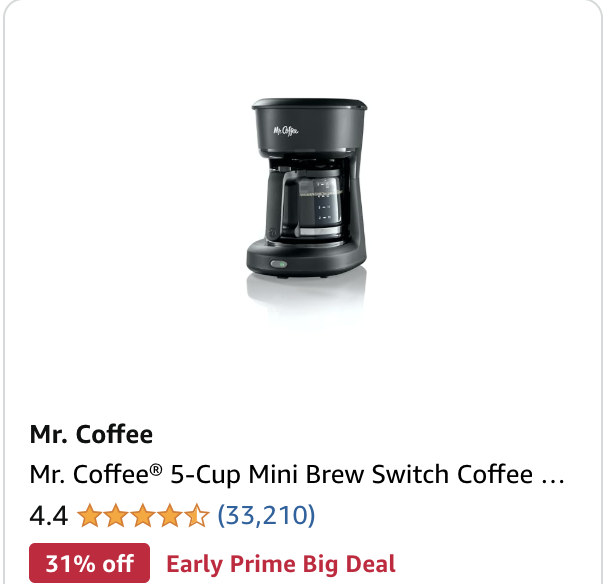
Place the drip tray on the base. Then, attach the water reservoir to the back of the machine, making sure it clicks securely into place. Fill the reservoir with fresh, cold water up to the maximum fill line. Do not use distilled or softened water, as Keurig recommends using filtered tap water for best results. Plug the power cord into the machine and then into a wall outlet.
Priming the Machine
Before your first brew, you must prime the internal system. This means running water through the machine without a K-Cup pod. Turn the machine on using the power button. The machine will take a minute or two to heat up—you’ll know it’s ready when the lights stop blinking. Lift and lower the brew handle (the lever on top) without inserting a pod. Place a large mug (at least 10 oz) on the drip tray. Select the largest brew size option on your model. Press the brew button to start. The machine will run water through the system into your mug. Discard this water. Your Keurig is now primed and ready for coffee.
Brewing Your First Cup
Now for the fun part. Follow these numbered steps for a perfect brew every single time:
- Ensure the water reservoir is filled to your desired level.
- Power on the machine and wait for the “Ready” light.
- Lift the brew handle fully. You’ll see the K-Cup pod holder.
- Choose your K-Cup pod. Check the foil lid for punctures or damage.
- Insert the pod into the pod holder. It should sit snugly in the funnel.
- Close the brew handle firmly until it clicks down. This pierces the pod.
- Place your mug on the drip tray. Make sure it’s big enough for your chosen cup size.
- Select your brew size. Most models have buttons for 6, 8, 10, and 12 oz. A smaller cup means stronger coffee, as less water passes through the same amount of grounds.
- Press the brew button. Hot water will flow through the pod into your mug.
- When brewing stops, lift the handle. The used pod will be ejected into the storage compartment (if your model has one) or you can manually remove it.
Your coffee is ready. Enjoy it immediately for the best flavor. Remember to add creamer or sugar after brewing, as the machine only dispenses hot water and coffee.
Using the Reusable K-Cup Filter
If you prefer ground coffee or want to reduce waste, the reusable filter is a great option. Here’s how to use it:
- Open the reusable filter by unscrewing or unclipping the lid.
- Fill it with your favorite ground coffee. Do not pack it tightly; a level scoop is best. Use a medium grind, similar to what you’d use for a drip machine.
- Close the filter securely, ensuring no coffee grounds are on the sealing rim.
- Insert the filled reusable filter into the K-Cup holder, just like a regular pod.
- Close the handle and brew as normal. You may need to use a slightly smaller cup size for optimal strength.
- After brewing, discard the wet grounds and rinse the filter thoroughly. Let it dry before next use.
Adjusting Brew Strength and Temperature
Many Keurig models offer customizations. The “Strong” brew button, if available, slows down the water flow for a more robust cup. For temperature, some advanced models let you adjust it in the settings menu for different beverages like tea or hot cocoa. Refer to your specific model’s manual for instructions on accessing these menus. If your coffee tastes weak, try using the “Strong” setting or a smaller cup size button.
Descaling: The Most Important Maintenance Task
Over time, mineral scale from water builds up inside the heating element. This can lead to slower brewing, weaker coffee, or even machine failure. Descaling removes this buildup. You should do this every 3-6 months, depending on your water hardness. You’ll need Keurig’s official descaling solution or a white vinegar mixture. Always follow the descaling instructions in your manual, but the general process is:
- Empty and rinse the water reservoir.
- Fill it with the descaling solution or a mixture of half white vinegar and half water.
- Run multiple brew cycles (without a pod) until the reservoir is empty.
- Refill the reservoir with fresh water and run several more cycles to rinse the system completely.
This process ensures your machine continues to heat water efficiently and brew properly.
Daily and Weekly Cleaning
A quick daily wipe of the exterior keeps your machine looking good. Weekly, you should clean three key parts:
- The Drip Tray and Pod Holder: Remove the drip tray and the removable pod holder. Wash them with warm, soapy water. Clear any clogged holes in the drip tray with a paperclip.
- The Water Reservoir: Take it off and wash it with soap and water. Don’t forget to clean the lid.
- The Exit Needle: Over time, coffee grounds can clog the exit needle (the small needle in the top of the K-Cup holder). Turn the machine off and unplug it. Use a paperclip to gently clear any debris from the needle’s opening.
Troubleshooting Common Issues
Even the best machines have occasional hiccups. Here are solutions to common problems:
- Machine Won’t Turn On: Check that it’s plugged in securely. Ensure the power outlet is working.
- Brew is Slow or Drips: The exit needle is likely clogged. Unplug the machine and clean it with a paperclip as described above.
- Coffee is Not Hot Enough: The machine may need descaling. Also, make sure you’re preheating your mug with hot water or using the “Hotter” setting if available.
- Water is Leaking: Ensure the water reservoir is correctly seated and locked. Check that the K-Cup holder is clean and free of cracks.
- “Add Water” Light is On, But Reservoir is Full: The float in the reservoir might be stuck. Gently tap the reservoir or remove and reseat it.
Tips for Better Tasting Coffee
Your Keurig’s performance depends on a few simple habits. Always use fresh, cold water. Stale water or water left in the reservoir for days can make coffee taste flat. Consider using filtered water if your tap water has a strong taste. Experiment with different K-Cup brands and roasts to find your favorite. Preheat your mug by running a quick water-only cycle before brewing your coffee. This helps maintain the coffee’s temperature. Finally, store your K-Cup pods in a cool, dark place to preserve freshness.
FAQs About Using a Keurig
Q: Can I use my own ground coffee in a Keurig?
A: Yes, absolutely. You need a reusable K-Cup filter. Fill it with your preferred medium-ground coffee and use it just like a regular pod.
Q: How often should I clean my Keurig coffee machine?
A: You should clean the drip tray and pod holder weekly. The water reservoir should be washed weekly, too. The crucial descaling process should be done every 3 to 6 months.
Q: Why is my Keurig brewing less than a full cup?
A: This is often caused by mineral scale buildup. It’s a clear sign that your machine needs to be descaled. Follow the descaling instructions in your manual.
Q: Can I brew other drinks besides coffee?
A: Yes. Keurig makes K-Cup pods for tea, hot chocolate, cider, and even iced beverages. Just pop in the appropriate pod and brew. For iced drinks, you usually brew over a cup of ice.
Q: What do I do with used K-Cups?
A: Check if your local recycling accepts #5 plastic. Some brands have recyclable parts if you separate the foil, grounds, and plastic cup. Using a reusable filter is the most eco-friendly option.
Q: My machine says “Prime” or won’t brew, what’s wrong?
A: This often happens after refilling the reservoir or if the machine has been unplugged. Run a water-only brew cycle (without a pod) to re-prime the pump. This usually fixes the issue.
Making the Most of Your Machine
Your Keurig is versatile. Beyond morning coffee, it’s perfect for quick cups of tea in the afternoon or hot cocoa on a chilly evening. Some models have an iced setting for cold drinks. If you entertain, it allows guest to choose their own favorite pod. Remember to register your machine online with Keurig for support and potential warranty benefits. With proper care, your Keurig can provide reliable service for years.
Getting the hang of your new appliance is straightforward once you know the basics. By following the setup steps, brewing correctly, and committing to a simple cleaning routine, you’ll ensure every cup tastes great. If you run into problems, most have an easy fix like cleaning a needle or descaling. Now that you know how do you use a Keurig coffee maker, you can enjoy the convenience and consistency it offers every day.