
You’re standing in the coffee aisle, looking at bags of beans. One says “Espresso Roast,” another says “Colombian Coffee Beans.” It makes you wonder: are espresso beans and coffee beans the same? It’s a common question with a simple answer that leads to a fascinating world of detail.
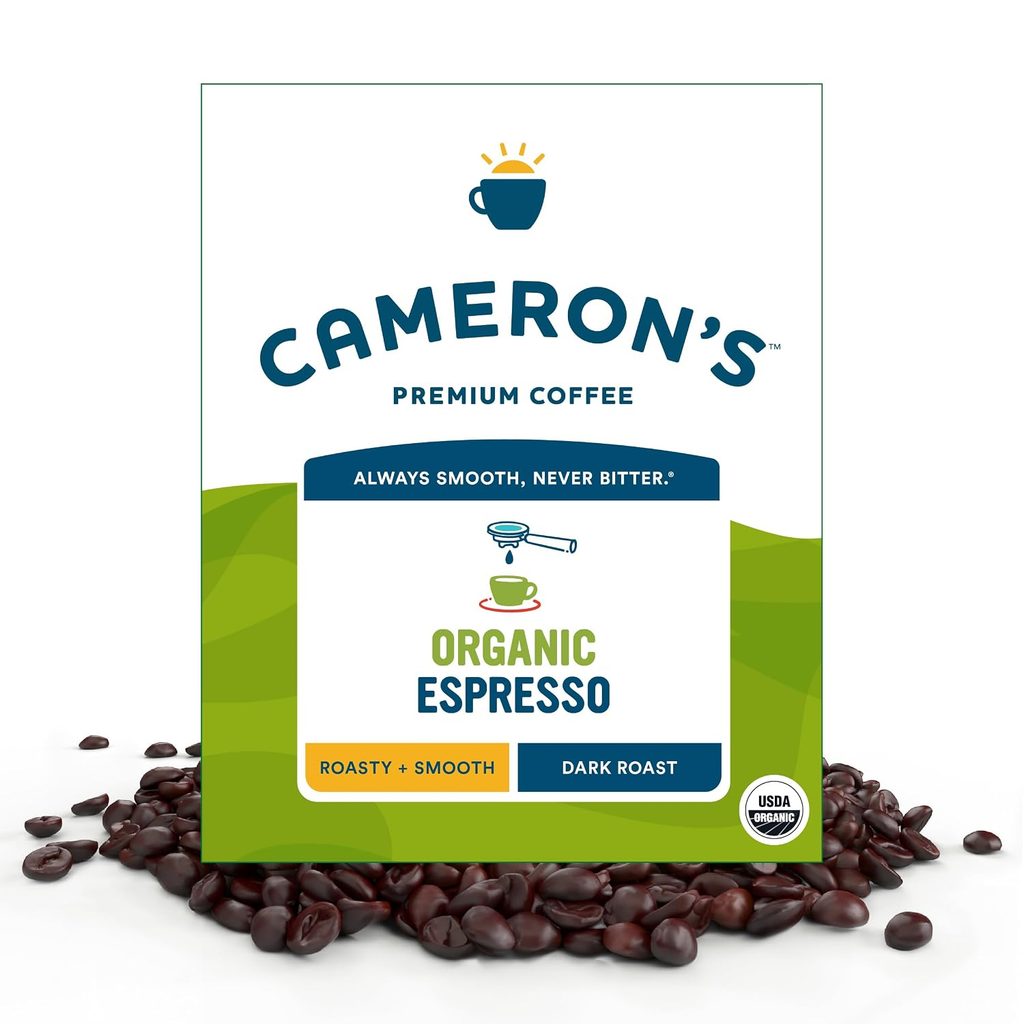
At their core, all coffee starts the same. The term “espresso bean” isn’t a botanical classification. There is no specific coffee plant that grows espresso beans. All coffee beans come from the fruit of the Coffea plant. The main types you’ll find are Arabica and Robusta. So, if the beans themselves are the same, what creates the distinction? The difference lies almost entirely in the roast profile, the grind size, and how you prepare the drink.
Are Espresso Beans And Coffee Beans The Same
No, espresso beans and coffee beans are not fundamentally different in origin. The key differences are imposed by humans after the bean is harvested. Think of it like this: all wheat flour comes from wheat, but a pastry chef chooses a specific grind and type for a croissant versus a bagel. Similarly, roasters and baristas choose specific beans, roast them a certain way, and grind them to a particular consistency to make the best espresso or drip coffee.
The Core Similarity: It’s All Just Coffee Beans
Let’s start with the foundation. All coffee beans, whether destined for a French press or an espresso machine, begin their journey on a coffee farm.
- Species: The vast majority of coffee is either Arabica (known for its sweeter, more complex flavors) or Robusta (higher in caffeine, with a stronger, more bitter taste).
- Origin: Beans from Ethiopia, Colombia, Brazil, Sumatra, and other regions each have unique flavor characteristics.
- Processing: How the coffee cherry is stripped away from the seed (bean) affects the final taste—washed, natural, or honey processed.
At this green bean stage, there is no such thing as an “espresso bean.” It’s just a coffee bean. The transformation happens next.
Where They Diverge: The Roast Profile
This is the most significant factor that creates “espresso beans.” Roasting is an art and a science. Heat applied over time develops the beans’ oils, sugars, and acids.
- Espresso Roasts: Typically, beans meant for espresso are roasted darker. A longer, hotter roast helps to reduce acidity, which can taste sharp in a concentrated espresso shot. The roast brings out body, bitterness, and caramelized sugar notes that stand up well to milk in drinks like lattes. The beans are often oilier on the surface.
- Drip or Filter Coffee Roasts: These can range from light to dark. Lighter roasts retain more of the bean’s original origin characteristics—like fruity or floral notes—and higher acidity. They are designed to be enjoyed over a longer extraction time with more water.
However, this is a guideline, not a strict rule. You can absolutely make espresso with a light roast bean, and you can use a dark “espresso roast” in a drip machine. The flavors will just be different than what’s traditionally expected.
The Critical Role of Grind Size
Grind is non-negotiable. Using the wrong grind for your brewing method is the number one reason coffee tastes bad.
- Espresso Grind: Needs to be very fine, like powdered sugar or table salt. This creates the necessary resistance for high-pressure water (8-9 bars) to extract flavors quickly (in 25-30 seconds). A coarse grind would let water rush through, making a weak, sour shot.
- Drip Coffee Grind: Is medium, resembling rough sand. It allows hot water to pass through more slowly by gravity, extracting flavors over several minutes.
- French Press Grind: Is coarse, like breadcrumbs, to avoid slipping through the mesh filter and over-extracting.
You can take the exact same bag of beans and create two completely different drinks just by changing the grind. An espresso machine requires that fine grind to function properly.
Brewing Method: Pressure vs. Gravity
The machinery defines the drink. Espresso is not just strong coffee; it’s a specific preparation method.
- Espresso: Uses very hot water forced under high pressure (8-9 bars) through a finely-ground, tightly-packed “puck” of coffee. This extracts a small, concentrated amount (1-2 oz) of coffee with a creamy layer on top called crema. The high pressure is key to emulsifying oils and creating that signature texture.
- Drip/Pour-Over: Relies on gravity. Hot water slowly soaks through a bed of medium-ground coffee, extracting flavors more gently over 3-5 minutes. The result is a larger, less concentrated cup.
Because of the intensity of espresso, the bean’s flavor profile is magnified. A minor flaw in the bean or roast will be very noticeable. That’s why blends are popular for espresso—roasters combine beans to create a balanced, consistent flavor that performs well under pressure.
Blends vs. Single Origins: A Matter of Purpose
You’ll notice many “espresso” bags contain a blend.
- Espresso Blends: Roasters craft these to achieve specific goals—like great crema, chocolatey notes, or a flavor that cuts through milk. A blend might use a Brazilian bean for body, a Guatemalan for sweetness, and a touch of Robusta for crema and bite.
- Single Origins for Espresso: These are becoming more popular as a way to taste the unique profile of one region in a concentrated form. It can be a fantastic experience, but the flavor might be more nuanced and less traditionally “espresso-like.”
- Drip Coffee: Often showcases single-origin beans to highlight their distinct terroir, as the brewing method allows those subtle notes to shine.
Can You Use Espresso Beans for Regular Coffee?
Yes, absolutely. A dark roast “espresso” bean will make a perfectly good pot of drip coffee. It will likely be bolder, less acidic, and more chocolaty than a light roast single-origin. Some people prefer this style for their everyday cup. Just remember to adjust your grind size to match your brewer (medium for drip).
Can You Use Regular Coffee Beans for Espresso?
Yes, you can. This is where experimentation gets fun. Try putting your favorite medium-roast Ethiopian beans through your espresso machine. The resulting shot may be brighter, fruitier, and more tea-like than a traditional espresso. It might not have as much body or crema, but it can be delicious. The key, again, is nailing the fine grind and proper dose.
Practical Guide: Choosing the Right Beans
Don’t get bogged down by the label. Follow these steps instead.
- Ignore the Name: Look past “Espresso Roast” or “Breakfast Blend.” Read the description.
- Check the Roast Level: Is it light, medium, medium-dark, or dark? Darker roasts generally work more easily for espresso beginners.
- Read Flavor Notes: Look for tasting notes you enjoy. “Milk chocolate, caramel, nutty” will make a classic espresso. “Berry, citrus, floral” will make a more adventurous one.
- Consider Your Drink: Planning mostly milk drinks (lattes)? A bold, dark roast will hold up better. Drinking straight shots or americanos? You might apreciate a more complex single origin.
- Freshness is Everything: Buy beans roasted within the last 2-4 weeks. Check for a roast date, not just a “best by” date.
How to Store Your Beans for Freshness
Good storage keeps your coffee tasting great.
- Store in an airtight container.
- Keep it in a cool, dark place (not the fridge or freezer, as moisture and odors are enemies).
- Buy in quantities you’ll use within 2 weeks of opening.
- Grind your beans just before you brew for the absolute best flavor.
The Importance of the Grinder
If you invest in one piece of equipment, make it a good burr grinder. Blade grinders chop beans unevenly, creating a mix of dust and boulders. This leads to uneven extraction—some parts over-extract (bitter), some under-extract (sour). A burr grinder crushes beans to a consistent size, which is especially critical for the fine, uniform grind needed for espresso. It’s the single biggest upgrade you can make to your coffee at home.
Experimenting at Home: Your Next Steps
Now that you know the rules, feel free to break them. Here’s a simple experiment.
- Buy a small bag of a medium-dark roast coffee.
- Grind a portion very fine for espresso. Make a shot. Note the flavor.
- Grind the rest to a medium setting for a pour-over or drip machine. Make a cup.
- Taste them side by side. You’ll experience firsthand how the same bean transforms with different preparation. You might find you prefer it one way or the other.
The world of coffee is vast and personal. The “best” bean is the one you enjoy the most, brewed in the way you like to drink it.
Common Myths Debunked
- Myth: Espresso beans have more caffeine. Truth: The roasting process actually burns off some caffeine. Darker roasts are slightly less caffeinated by weight. However, an ounce-for-ounce comparison is tricky because espresso is a concentrate. A 1-oz shot of espresso has about 63 mg of caffeine, while an 8-oz drip coffee has about 95 mg. You get more caffeine per volume in espresso, but you typically drink a much smaller amount.
- Myth: You must use oily beans for espresso. Truth: Oil appears on the surface of very dark-roasted beans as the internal oils migrate outward. While common for espresso roasts, it’s not a requirement. Very oily beans can actually gum up your home grinder.
- Myth: Espresso is just really strong coffee. Truth: As explained, it’s a specific high-pressure extraction method that creates a different chemical and physical profile (including crema) that you cannot replicate just by using more ground coffee in a drip machine.
FAQ Section
Q: What is the main difference between espresso and coffee beans?
A: The main difference is typically the roast level and intended grind. Beans labeled for espresso are usually roasted darker and are meant to be ground very fine for use in an espresso machine. They come from the same original coffee plants.
Q: Can I use regular ground coffee for espresso?
A: No, you should not. Pre-ground “drip coffee” is too coarse for an espresso machine. The water will pass through too quickly, resulting in a weak, under-extracted, and sour shot. You need a fine, espresso-specific grind.
Q: Are espresso beans stronger than coffee beans?
A: If by “stronger” you mean more caffeinated per bean, no. If you mean they produce a more concentrated and bold-flavored beverage when brewed as intended, then yes. The brewing method creates the strength.
Q: Do I need a special type of bean for my espresso machine?
A: Your machine needs coffee ground very finely. The bean itself can be any type or roast you like, though darker roasts are more forgiving and produce a more traditional espresso flavor. Start with a bean labeled for espresso, then experiment.
Q: Why does my espresso taste bitter?
A> Bitterness often means over-extraction. This can be caused by too fine a grind, too much coffee in the portafilter, tamping too hard, or extracting the shot for too long. Try a slightly coarser grind or a shorter extraction time.
Q: Why does my espresso taste sour?
A> Sourness usually indicates under-extraction. This can be caused by too coarse a grind, not enough coffee, insufficient tamping, or water that is not hot enough. Try a finer grind or a longer extraction.
In the end, the question “are espresso beans and coffee beans the same” opens the door to understanding coffee better. They start identically, but human craft—roasting, grinding, and brewing—shapes their final destiny in your cup. Don’t be limited by labels. Use this knowledge to choose beans based on the flavor notes you love and the brewing method you use. The perfect cup is the one you enjoy making and drinking, whether it’s a classic dark espresso shot or a light roast pour-over made from “espresso” beans. Your journey to great coffee is just beginning, and now you have the map.