
If you’re avoiding gluten, you probably check every label and wonder about every food and drink. So, does coffee have gluten? The simple answer is that pure, black coffee made from coffee beans is naturally gluten-free. Coffee beans themselves are seeds from a fruit, and they don’t contain any gluten proteins. This is great news for anyone on a gluten-free diet who relies on their daily cup. However, the journey from bean to your mug can introduce risks. Cross-contact and added ingredients are where problems often start. Understanding these risks is key to enjoying your coffee safely.
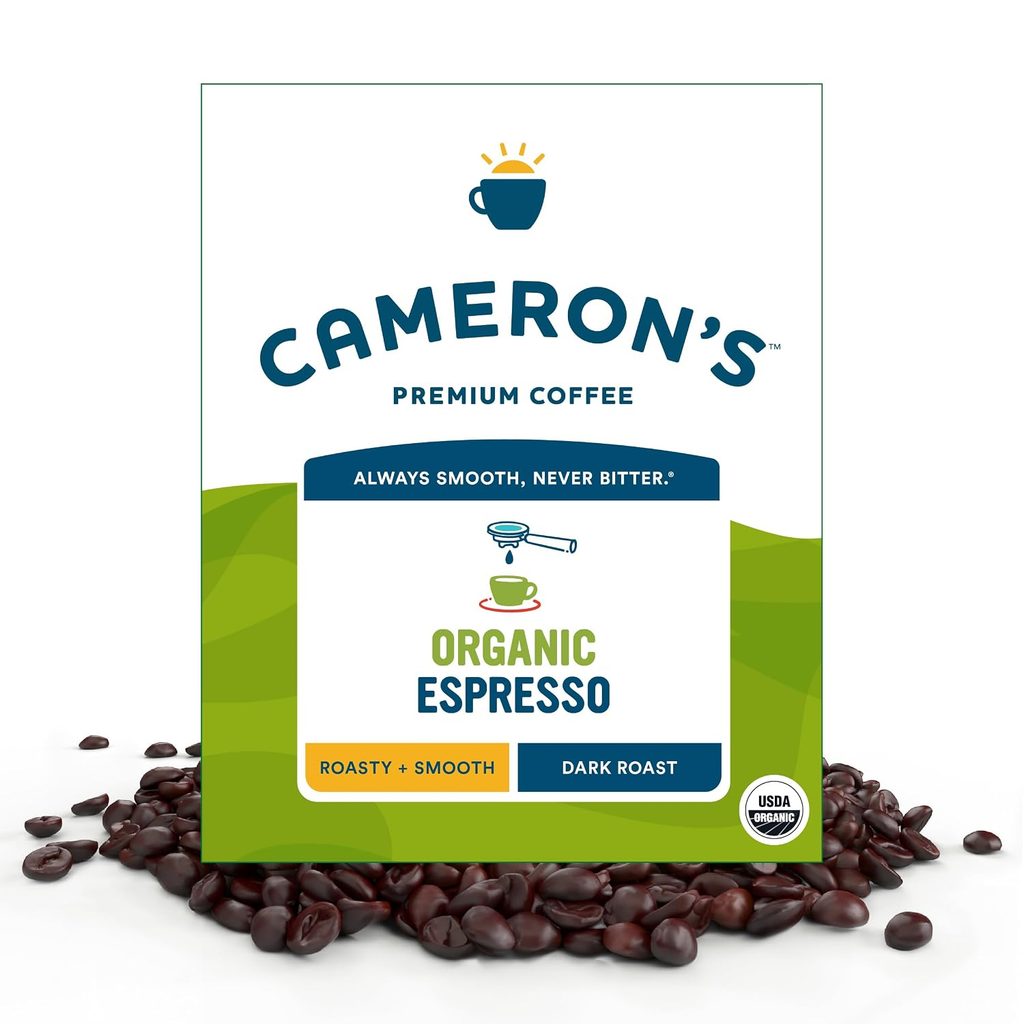
Does Coffee Have Gluten
As we established, the coffee bean itself is safe. Gluten is a protein found in grains like wheat, barley, and rye. Since coffee isn’t a grain, it doesn’t have this protein. This means your basic cup of black coffee—whether brewed from ground beans or made with an espresso shot—is gluten-free. But this heading, “Does Coffee Have Gluten,” points to the broader question people are really asking. They want to know if their specific coffee drink is safe. The concern shifts from the coffee to everything that surrounds it. We need to look at the whole picture, from processing to preparation.
Where Gluten Can Hide in Your Coffee Routine
Your coffee’s safety depends on several factors. Gluten can sneak in where you least expect it. Being aware of these areas helps you make better choices.
- Flavored Coffees: This is a major risk zone. Many flavored coffees use natural or artificial flavors that may contain gluten. For example, flavors like “cookie dough,” “chocolate malt,” or “hazelnut” might use barley-based ingredients. Always check with the manufacturer.
- Instant Coffee & Mixes: Pure instant coffee is usually gluten-free. But be very cautious with instant coffee mixes, like 3-in-1 sachets. These contain coffee, sugar, and creamer, and the creamer often has gluten-containing additives or thickeners.
- Cross-Contact in Processing: Coffee processed in a facility that also handles gluten grains could be cross-contaminated. This is less common but a concern for those with celiac disease. Look for coffee labeled “certified gluten-free.”
- Coffee Shop Dangers: The biggest risks often happen at the café. Shared equipment, like blenders used for coffee and wheat-based smoothies, or steam wands used for milk and then touching a gluten-containing pastry, can transfer gluten.
- Add-Ins and Toppings: Whipped cream, pre-made syrups, sprinkles, and spice blends (like pumpkin spice) can contain gluten. Barley malt is a common sweetener in some syrups.
Safe Coffee Ingredients: A Quick Checklist
Sticking to simple, whole ingredients is your safest bet. Here’s a list of generally safe choices:
- Plain, whole coffee beans (any roast)
- Plain ground coffee (unflavored)
- Pure instant coffee (black, no additives)
- Plain espresso
- Most plain, non-dairy milks (almond, oat, soy, coconut)
- Pure sugar, honey, pure maple syrup
- 100% cocoa or cocoa powder
Note on Oat Milk: Oats are naturally gluten-free but are almost always cross-contaminated with wheat. You must use oat milk that is specifically labeled “gluten-free.”
How to Order Gluten-Free at a Coffee Shop
Navigating a coffee shop menu can feel tricky, but it’s manageable with a clear strategy. Follow these steps to reduce your risk.
- Choose a Simple Drink: Opt for a plain americano, black coffee, espresso, or a latte with a safe milk. The fewer ingredients, the lower the risk.
- Ask About Syrups: Inquire if the syrups are gluten-free. Major brands like Torani and Monin often provide gluten-free information online, but ask the staff to check the bottle.
- Specify Your Milk: If using oat milk, confirm it’s a gluten-free certified brand. Request a clean pitcher if possible, as steam wands are rarely cleaned between drinks.
- Mention Cross-Contact: For celiacs, politely say, “I have a severe gluten allergy. Can you please use a clean blender/pitcher and avoid the steam wand if it was just used?” Most baristas will understand.
- Skip the Pastry Case: Avoid pastries altogether unless the shop has a dedicated gluten-free protocol. Even gluten-free muffins in a shared case are at high risk for crumbs.
What About Coffee Pods and K-Cups?
Most standard coffee pods containing just coffee are gluten-free. However, flavored pods carry the same risks as flavored ground coffee. The other consideration is the manufacturing process. Some companies, like Nespresso, clearly state their pure coffee capsules are gluten-free. It’s always best to check the manufacturer’s website for allergen statements. Don’t assume all pods from a brand are safe; check each flavor individually.
Is Decaf Coffee Gluten-Free?
The decaffeination process does not involve gluten. So, yes, pure decaf coffee is gluten-free. The same rules apply, though: watch out for flavored decaf varieties and cross-contact risks. The method used to remove caffeine (using water, solvents, or CO2) doesn’t introduce gluten proteins.
Understanding “Gluten-Free” Certification on Coffee
You might see some coffee bags with a “Certified Gluten-Free” label. This means the product has been tested by a third-party organization (like GFCO) and contains less than 10-20 parts per million (ppm) of gluten, the safe threshold for most with celiac disease. This certification covers processing and packaging, giving you extra peace of mind. It’s especially valuable if you are highly sensitive. While many plain coffees are inherently gluten-free, the certification guarantees that measures are in place to prevent cross-contact.
DIY: The Safest Gluten-Free Coffee at Home
Brewing at home gives you complete control. Here’s how to set up a safe coffee station.
- Select Your Coffee: Buy plain, whole bean or ground coffee from a brand you trust. Consider certified gluten-free if you’re very cautious.
- Clean Equipment: Use a dedicated coffee grinder if you also grind grains. Otherwise, thoroughly clean your grinder and brewer before use.
- Choose Safe Add-Ins: Use pure sugars, gluten-free syrups, and certified gluten-free milk or creamer. Check labels on powdered creamers carefully.
- Storage: Store your coffee and add-ins away from gluten-containing products like flour to prevent accidental spill contamination.
Common Coffee-Related Products and Gluten Status
Let’s clear up confusion around specific products you might encounter.
- Starbucks Drinks: Starbucks publishes a detailed allergen guide. Many basic drinks are safe, but frappuccinos have a high risk due to shared blenders and some ingredients. Always check the current guide online or in-store.
- International Coffees (like Café Au Lait mixes): These often contain barley and are not gluten-free.
- Bulletproof Coffee: If made with just coffee, gluten-free MCT oil, and grass-fed butter/ghee, it is gluten-free. Ensure any added collagen or protein powders are certified GF.
- Chicory Coffee: Chicory root is gluten-free, but blends with barley (like some Café du Monde mixes) are not. Read the ingredient list.
When in Doubt: How to Research a Coffee Product
If you’re unsure about a product, don’t guess. Follow this research process.
- Read the Ingredient List: Look for obvious gluten sources: wheat, barley, rye, malt, malt flavoring, or brewer’s yeast.
- Check for an Allergen Statement: Many labels say “Contains: Wheat” or “May contain wheat.”
- Visit the Company Website: Go to the “FAQ” or “Allergen Information” section. They often have detailed PDFs.
- Call or Email Customer Service: Ask specific questions: “Is this product processed on equipment shared with wheat?” and “Do you test for gluten to under 20 ppm?”
- Use Trusted Apps: Apps like “Find Me Gluten Free” for restaurants or scanning apps that have product databases can be helpful tools.
FAQs: Your Coffee and Gluten Questions Answered
Is there gluten in coffee creamer?
Many non-dairy powdered creamers contain gluten as a thickener or anti-caking agent. Ingredients like “sodium caseinate” (from milk) are safe, but “wheat dextrin” is not. Always read the label on creamers carefully. Liquid creamers are more often gluten-free, but you must still check.
Can coffee cause gluten-like symptoms?
Yes, sometimes. If you react to coffee but are sure it’s gluten-free, other issues might be at play. Coffee is acidic and can irritate the gut. It also contains caffeine, which can cause jitters or digestive upset. Some people have a sensitivity to the coffee beans themselves. It’s important not to confuse this with a gluten reaction.
Are Starbucks syrups gluten-free?
According to Starbucks, many of their core syrups (like vanilla, caramel, hazelnut) are considered gluten-free. However, they caution that equipment is shared and they cannot guarantee zero cross-contact. Seasonal syrups or sauces (like pumpkin spice sauce) may contain gluten, so always verify with the current allergen menu.
Does cold brew coffee have gluten?
Plain cold brew coffee, made from just coffee grounds and water, is gluten-free. The problem arises with pre-made bottled cold brew from stores. These often have added flavors, milk, or sweeteners that could contain gluten. Homemade cold brew is a very safe and easy option.
Is there gluten in espresso?
Pure espresso, which is just finely ground coffee brewed under pressure, is gluten-free. The concern, again, is cross-contact. If an espresso machine’s portafilter or steam wand was used with a gluten-containing substance and not cleaned, it could pose a risk. This is rare but worth considering in very busy or untidy shops.
What about gluten in coffee substitutes?
Coffee substitutes like roasted grain beverages (made from barley, rye, or wheat) are full of gluten and must be avoided. Substitutes made from chicory, dandelion root, or carob are typically gluten-free, but you must check the label for added grains or cross-contact warnings.
Final Thoughts on Coffee and a Gluten-Free Diet
Enjoying coffee on a gluten-free diet is absolutely possible with a little knowledge and caution. The core product—the coffee bean—is your friend. Your focus should be on what’s added to the coffee and how it’s handled. By choosing plain products, reading labels diligently, asking the right questions at coffee shops, and considering certified gluten-free options for extra safety, you can continue to enjoy your daily ritual without worry. Remember, when your routine is simple, the risks are much lower. Trust your instincts, do your research, and savor that safe, gluten-free cup.