
If you’ve ever wondered how do you make coffee in a coffee pot, you’re in the right place. This classic method is a simple and reliable way to brew a great cup, and mastering it is easier than you think. Whether you’re using a new machine for the first time or just want to improve your daily routine, this guide will walk you through every step.

We’ll cover everything from choosing your beans to cleaning your pot. You’ll learn the simple techniques that make a big difference in flavor. Let’s get started with the basics of your coffee pot.
How Do You Make Coffee In A Coffee Pot
This heading might seem straightforward, but the process involves a few key stages. Each one contributes to the final taste of your coffee. Paying attention to these details will help you brew a better pot every single time.
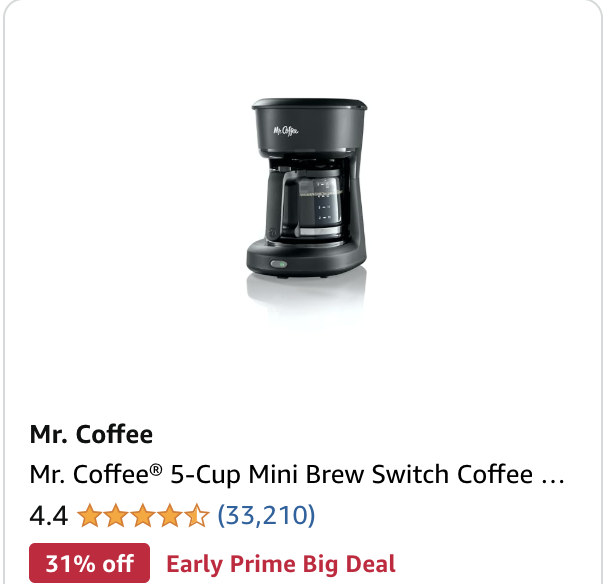
Understanding Your Coffee Pot
Most coffee pots are automatic drip machines. They have a few main parts you should know:
- Water Reservoir: This is where you add cold, fresh water.
- Filter Basket: This holds the paper or permanent filter where you put the coffee grounds.
- Carafe: The glass or thermal jug that catches the brewed coffee.
- Heating Plate: Keeps the carafe warm after brewing is complete.
Knowing these parts helps you use and clean your machine properly. Always check your manufacturer’s manual for specific instructions too.
Essential Equipment and Ingredients
You don’t need much to get started, but quality matters. Here’s your checklist:
- Fresh Coffee Beans: Whole beans are best, ground just before brewing.
- Grinder: A burr grinder is ideal for consistent grounds.
- Filtered Water: Since coffee is about 98% water, good water makes good coffee.
- Correct Filters: Use the size and style (like #4 basket filters) that fit your machine.
- Measuring Tools: A tablespoon or, better yet, a kitchen scale.
Getting these items right sets a strong foundation. It’s the first step toward a tastier pot of coffee.
Choosing Your Coffee Beans
The type of bean you choose is a personal preference. Arabica beans are known for their smoother, sweeter taste. Robusta beans have a stronger, more bitter flavor and more caffeine.
Look for a roast date on the bag, not just a “best by” date. Coffee is best used within a month of its roast date for peak freshness. Store your beans in an airtight container away from light and heat, but not in the fridge or freezer.
The Importance of Water Quality
If your tap water tastes bad or has a strong odor, your coffee will too. Using a simple filter pitcher can remove chlorine and other impurities that interfear with the coffee’s flavor. Avoid using distilled or softened water, as they lack the minerals needed to properly extract flavor from the grounds.
The Step-by-Step Brewing Process
Now, let’s walk through the brewing process from start to finish. Follow these numbered steps for the best results.
- Prepare the Water: Fill your coffee pot’s carafe with fresh, cold water. Use the markings on the carafe to measure how many cups you want. Then, pour this water into the machine’s reservoir. This ensures accurate measuring.
- Insert the Filter: Place a clean paper filter or your permanent filter into the filter basket. If using paper, you might want to rinse it first with hot water to remove any papery taste, though this is optional.
- Grind Your Coffee: Grind your beans to a medium consistency. It should resemble coarse sand, not powder. A too-fine grind will make coffee bitter, while a too-coarse grind makes it weak. For a standard 12-cup pot, you’ll need about 12 tablespoons (or 72-96 grams) of ground coffee.
- Add the Coffee Grounds: Add the fresh grounds to the filter in the basket. Gently shake the basket to level the grounds. Do not tamp them down.
- Start the Brewing Cycle: Put the empty carafe back on the heating plate. Close the lid to the filter basket. Now, turn the coffee pot on. The machine will heat the water and drip it over the grounds.
- Wait and Enjoy: Let the brewing cycle complete. This usually takes a few minutes. When the dripping stops, your coffee is ready. Give the pot a gentle stir before pouring to ensure the coffee is evenly mixed.
Getting the Ratio Right: Coffee to Water
This is the most common mistake people make. The standard ratio is often called the “Golden Ratio.”
- General Guideline: Use 1 to 2 tablespoons of ground coffee for every 6 ounces of water.
- More Precise: A better method is using a scale. A good starting point is a 1:16 ratio (e.g., 60 grams of coffee to 1000 grams of water).
You can adjust this to your taste. If your coffee is too weak, use more grounds next time. If it’s too strong or bitter, use a bit less. Write down your adjustments until you find your perfect balance.
Common Mistakes and How to Avoid Them
Even small errors can affect your coffee’s taste. Here’s what to watch out for.
Using Old or Stale Coffee
Pre-ground coffee loses its flavor quickly after opening. The oils and aromas fade. For the best flavor, buy whole beans and grind them yourself right before brewing. It’s a simple change with a huge impact.
Incorrect Grind Size
As mentioned, grind size is crucial. If your coffee tastes sour and weak, the grind is probably too coarse. If it tastes harsh and bitter, it’s likely too fine. Experiment with your grinder settings until you find the sweet spot for your machine.
Not Cleaning the Coffee Pot Regularly
Old coffee oils and mineral deposits from water (scale) build up inside your machine. This makes every pot taste off. You should clean the carafe, filter basket, and lid after every use. Run a brewing cycle with just vinegar and water monthly to descale the internal parts. Always rinse thoroughly afterward.
Advanced Tips for a Better Pot
Once you’ve mastered the basics, try these tips to further improve your brew.
- Pre-heat Your Machine: Run a cycle with just water before you brew your actual coffee. This warms up the machine and your carafe, leading to a more stable brewing temperature.
- Bloom Your Coffee (Optional): For fresher beans, try a bloom. When you first start the machine, just a small amount of water will drip onto the grounds. Pause the machine for 30 seconds to let the coffee bubble and release gases. Then, restart. This can lead to more even extraction.
- Upgrade Your Filter: Consider a permanent gold-tone or stainless steel mesh filter. They allow more of the coffee’s natural oils to pass through, which can enhance body and flavor. Paper filters tend to absorb these oils.
- Serve Immediately: Coffee tastes best right after brewing. If you leave it on the hot plate for more than 30-45 minutes, it will start to develop a burnt, bitter taste from continous heating. For longer storage, transfer it to an insulated thermal carafe.
Maintaining and Cleaning Your Coffee Pot
A clean machine is essential for good coffee. Here’s a simple maintenance routine.
- Daily: Discard used grounds and filter. Wash the carafe, lid, and filter basket with warm, soapy water. Rinse well. Wipe the outside of the machine with a damp cloth.
- Weekly: Wipe down the warming plate to remove any coffee stains or spills.
- Monthly (Descaling): Fill the reservoir with a mixture of half white vinegar and half water. Run a brewing cycle without coffee. Then, run two to three cycles with just fresh water to rinse out any vinegar taste. This removes mineral scale.
Following this schedule prevents funky flavors and helps your machine last longer. It’s a good habit to get into.
Troubleshooting Your Brew
What if something goes wrong? Use this quick guide to fix common problems.
- Coffee is Too Weak: You likely used too few grounds, a grind that’s too coarse, or not enough coffee for the amount of water. Check your ratio and grind size.
- Coffee is Too Bitter or Strong: You probably used too many grounds, a grind that’s too fine, or too much coffee for the water. Try using a bit less coffee or a coarser grind.
- Brewing Takes Too Long or Drips Slowly: The grind is likely too fine, clogging the filter. Or, you may have tamped the grounds down. Use a coarser setting and just level the grounds without pressing.
- Coffee is Cold or Lukewarm: Your machine’s heating element might be failing. Try the pre-heating trick mentioned earlier. If it’s still cold, the machine may need repair or replacement.
FAQ Section
How much coffee do I put in a 12 cup coffee pot?
For a standard 12-cup pot, use between 12 and 24 tablespoons of ground coffee (or 72-144 grams), depending on your preferred strength. A good starting point is 12 tablespoons, using the “1 tablespoon per 6 oz cup” rule. Remember, a “cup” on a coffee pot is usually 5-6 ounces, not 8.
Can you make just a few cups of coffee in a large pot?
Yes, but you need to adjust the amount of grounds accordingly. If you only make half a pot, use half the amount of coffee. Some machines have a “small batch” or “1-4 cup” setting that adjusts the water flow for better extraction with fewer grounds.
What is the best way to clean a coffee maker?
The best way involves regular washing of removable parts and monthly descaling. For deep cleaning, use a vinegar-water solution as described above. You can also use commercial descaling products made for coffee makers. Never use harsh abrasives on any part of the machine.
Why does my coffee taste burnt?
A burnt taste usually comes from the coffee sitting on the hot plate for too long after brewing. The continous heat “cooks” the coffee. It can also be caused by using water that is too hot during brewing (over-extraction) or a very dark roast bean. Try brewing into a thermal carafe instead of leaving it on the hot plate.
Is it better to use paper or a permanent filter?
They offer different results. Paper filters produce a cleaner, brighter cup and trap oils and sediment. Permanent metal filters allow more oils and fine particles through, resulting in a fuller-bodied, richer cup similar to a French press. It’s a matter of personal preference.
Final Thoughts on Perfecting Your Pot
Learning how do you make coffee in a coffee pot well is a simple but rewarding skill. It starts with fresh ingredients and the right measurements. From there, attention to details like grind size and cleanliness will elevate your daily cup.
Don’t be afraid to experiment with different beans and ratios. Your perfect pot is out there, and now you have the knowledge to find it. The most important step is to enjoy the process and, of course, the coffee you create.