
If your morning brew is starting to taste a bit off, it might be time for a deep clean. Learning how do you clean a mr. coffee pot is essential for great-tasting coffee and a long-lasting machine. A clean coffee maker not only brews better coffee but also runs more efficiently, saving you money and frustration over time.

This guide will walk you through every step, from a quick daily rinse to a full monthly descaling. We’ll cover natural methods using items you probably already have in your kitchen, as well as the best commercial cleaners. Let’s get your Mr. Coffee pot brewing like new again.
How Do You Clean a Mr. Coffee Pot
Cleaning your Mr. Coffee pot isn’t a single task—it’s a routine. Think of it in three layers: daily upkeep, weekly washing, and monthly deep cleaning. Neglecting any of these can lead to mineral buildup, stale coffee oils, and even mold. The result? Bitter, unpleasant coffee.
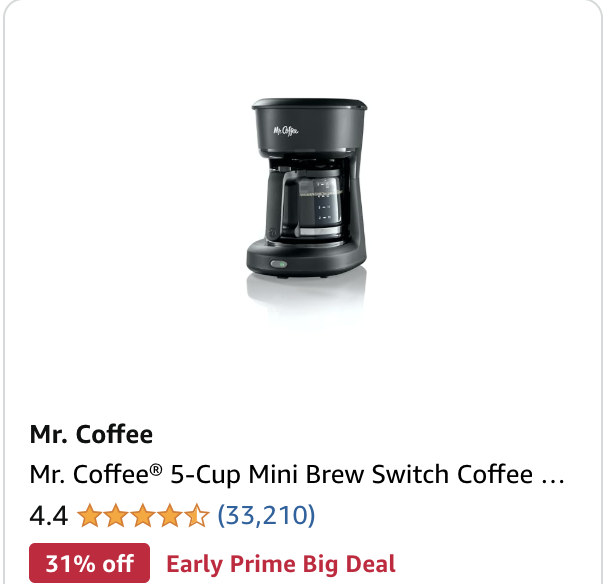
First, always unplug your coffee maker and let it cool completely before cleaning. Safety first! Never immerse the base unit, cord, or plug in water. You’ll only be cleaning the removable parts and running solutions through the internal reservoir.
What You’ll Need for a Basic Clean
Gathering your supplies before you start makes the process smoother. Here’s a list of common household items that work great:
- White vinegar (the most effective and affordable descaler)
- Baking soda
- Mild dish soap
- Soft sponges or cloths (non-abrasive)
- A soft-bristled brush (an old toothbrush works perfectly)
- Fresh, cold water
- Lemon juice (an alternative to vinegar)
The Daily Quick Rinse
This takes less than a minute but makes a huge difference. After each use, discard the used coffee grounds and paper filter. Rinse the coffee pot and filter basket with warm water. Wipe down the warming plate with a damp cloth to remove any coffee spills or splatters.
Leave the pot and basket out to air dry instead of putting them back damp. This simple habit prevents old coffee oils from turning rancid and stops mold from growing in the damp, dark basket.
The Weekly Wash
Once a week, give the removable parts a more thorough cleaning. This tackles the oily residue that a quick rinse can’t remove.
- Fill your sink with warm water and a few drops of mild dish soap.
- Take apart the filter basket if possible (many have a removable lid or mesh filter).
- Wash the glass carafe, the lid, and all parts of the filter basket. Use the soft brush to scrub inside the basket and the carafe spout.
- Rinse everything thoroughly with clean water.
- Dry all parts with a clean towel or let them air-dry completely.
For stubborn stains inside the glass pot, make a paste with baking soda and a little water. Scrub gently with the sponge, then rinse. This is a gentle abrasive that won’t scratch the glass.
Don’t Forget the Exterior
While the interior parts are drying, wipe down the outside of the coffee maker. Use a cloth dampened with just water or a mild soapy solution, then wipe dry. This keeps your countertop appliance looking nice and prevents sticky buildup on buttons and handles.
The Monthly Deep Clean & Descaling
This is the most important process for maintaining your machine’s function. Descaling removes hard, chalky mineral deposits (limescale) from the internal heating element and water tubes. These deposits insulate the heater, making brewing slower and less efficient, and can eventually clog the system.
Here is the standard vinegar solution method:
- Ensure the coffee maker is unplugged and cool. The reservoir should be empty.
- Pour equal parts white vinegar and fresh cold water into the reservoir until it’s half to three-quarters full. For a standard 12-cup maker, this is usually about 2 cups of each.
- Place a clean filter in the empty basket. Put the empty carafe back on the warming plate.
- Plug in the coffee maker and turn it on. Let it run half of the vinegar solution through, then turn it off.
- Let the solution sit in the system for 30 minutes to an hour. This soaking time allows the vinegar to dissolve the mineral scale.
- After soaking, turn the coffee maker back on and let it finish brewing the rest of the solution.
- Dump the hot vinegar water from the carafe. Fill the reservoir completely with fresh cold water.
- Run a full cycle with just clean water. Dump that water.
- Repeat the fresh water cycle 1-2 more times until no vinegar smell remains in the carafe. This step is crucial to avoid vinegary coffee.
Alternative Natural Descalers
If you dislike the smell of vinegar, you have options. Lemon juice works similarly because of its citric acid.
- Use 1/4 cup of bottled lemon juice mixed with a full reservoir of water.
- Follow the same process: run half, pause to soak for 30 mins, finish the cycle, then rinse thoroughly with 2-3 cycles of clean water.
Some people also use a citric acid powder, which is odorless. Dissolve 1-2 tablespoons in the reservoir water.
Cleaning a Mr. Coffee with a Built-in Grinder
These combo units need extra attention because coffee oils can go rancid in the grinder. First, always unplug the machine. Use a small brush or a dry toothbrush to brush out all loose grounds from the grinder chamber. Many models have a removable burr for easier cleaning; consult your manual.
To clean oily residue, grind a handful of white rice or use special grinder cleaning tablets. The rice acts as a gentle abrasive. Follow this by grinding a bit of baking soda to absorb odors, then finish by grinding some old, cheap coffee beans to clear out any remaining residue. Wipe the exterior of the grinder with a dry cloth.
Troubleshooting Common Problems
Even with regular cleaning, you might encounter issues. Here’s how to fix them.
Cloudy or Stained Glass Carafe
Mineral deposits from water can make the glass look permanently foggy. To clean it, fill the carafe with a solution of one part vinegar to two parts water. Let it soak overnight. In the morning, scrub with a bottle brush or sponge and rinse. For really tough stains, you can try a denture tablet soaked in warm water.
Slow Brewing or Dripping
This is almost always caused by scale clogging the internal tubes or the showerhead (where the water comes out above the basket). A thorough descaling as described above should fix this. If it persists after two descaling cycles, the clog might be severe. You can try using a commercial descaling solution, which is stronger than vinegar.
Weird Tastes or Odors
A vinegar taste means you didn’t rinse enough. Run several more clear water cycles. A musty or oily taste means organic buildup. Run a cycle with a mixture of 2 tablespoons baking soda and a full reservoir of water, then rinse thoroughly with 2 cycles of clean water. Always wash the pot and basket with soap after this.
Mold in the Water Reservoir
If you see black or pink spots, that’s microbial growth. To clean it, make a strong solution of 1 part vinegar to 1 part water. Use a soft brush and this solution to scrub the entire reservoir. Rinse it out meticulously. Then, run a full vinegar cycle followed by at least 3 clear water cycles. To prevent mold, leave the reservoir lid open when not in use to allow air circulation.
When to Use a Commercial Coffee Maker Cleaner
For very heavy limescale or if you have extremely hard water, a commercial descaler like Urnex or Mr. Coffee’s own brand can be more effective. They are formulated to be strong yet safe for the machine’s internal parts. Always follow the package instructions precisely, as they are more concentrated than vinegar. The rinsing steps are especially important with these products.
Preventive Maintenance Tips
The best cleaning is the one you hardly have to do. These habits will keep your Mr. Coffee in top shape.
- Use filtered or distilled water. This dramatically reduces mineral buildup, meaning you can descale less often.
- Empty the carafe and basket right after brewing. Don’t let old coffee sit for hours.
- Wipe the warming plate after each use to prevent baked-on stains.
- Leave the reservoir empty and open, and the carafe lid off, when the machine is not in use.
- Stick to your cleaning schedule. Don’t wait for problems to appear.
FAQ Section
How often should I clean my Mr. Coffee machine?
You should rinse the pot and basket daily, wash them with soap weekly, and descale the internal system monthly. If you have very hard water or use it multiple times a day, you may need to descale every 2-3 weeks.
Can I use apple cider vinegar to clean my coffee maker?
It’s not recommended. White vinegar is clear and leaves less odor. Apple cider vinegar can leave a lingering scent and might contain sugars or impurities that could gunk up the machine. Stick to plain white distilled vinegar for best results.
What’s the best way to clean a Mr. Coffee pot without vinegar?
Lemon juice is a great natural alternative due to its citric acid. You can also use baking soda (for the carafe and basket) or a commercial descaling solution. The steps are similar: run the solution through, soak, rinse very well.
Why does my coffee taste bad even after cleaning?
If you’ve descaled and washed all parts, the issue might be your water source. Try using filtered water. Also, check if the coffee itself is fresh. Old beans or grounds can taste stale. Finally, ensure you are cleaning the grinder if your model has one, as old oils there can ruin fresh coffee.
Is it safe to run vinegar through my coffee maker?
Yes, it is perfectly safe for the machine’s internal parts. Vinegar is a mild acid that dissolves minerals without corroding the metal or plastic components. The key is to rinse it out thoroughly afterward with several cycles of fresh water so your coffee doesn’t taste like salad dressing.
How do I clean the outside of my Mr. Coffee machine?
Unplug it and let it cool. Wipe the plastic housing, lid, and warming plate with a soft cloth dampened with a mild soapy solution. Avoid getting water into any vents or openings. Dry immediately with another clean cloth. For stainless steel models, use a cleaner meant for appliances.
A clean Mr. Coffee pot is the secret to a consistently good cup of coffee. By incorporating these simple steps into your routine, you’ll protect your investment and enjoy better flavor every morning. It doesn’t take much time, and the difference it makes is immediately noticeable. Start with a descale this weekend, and you’ll be amazed at how much brighter your coffee tastes.