
If you’re a backyard chicken keeper, you’re probably always looking for safe kitchen scraps to share with your flock. You might wonder, can chickens eat coffee grounds? The simple answer is no, and it’s important to understand why this common waste product is not safe for your birds.
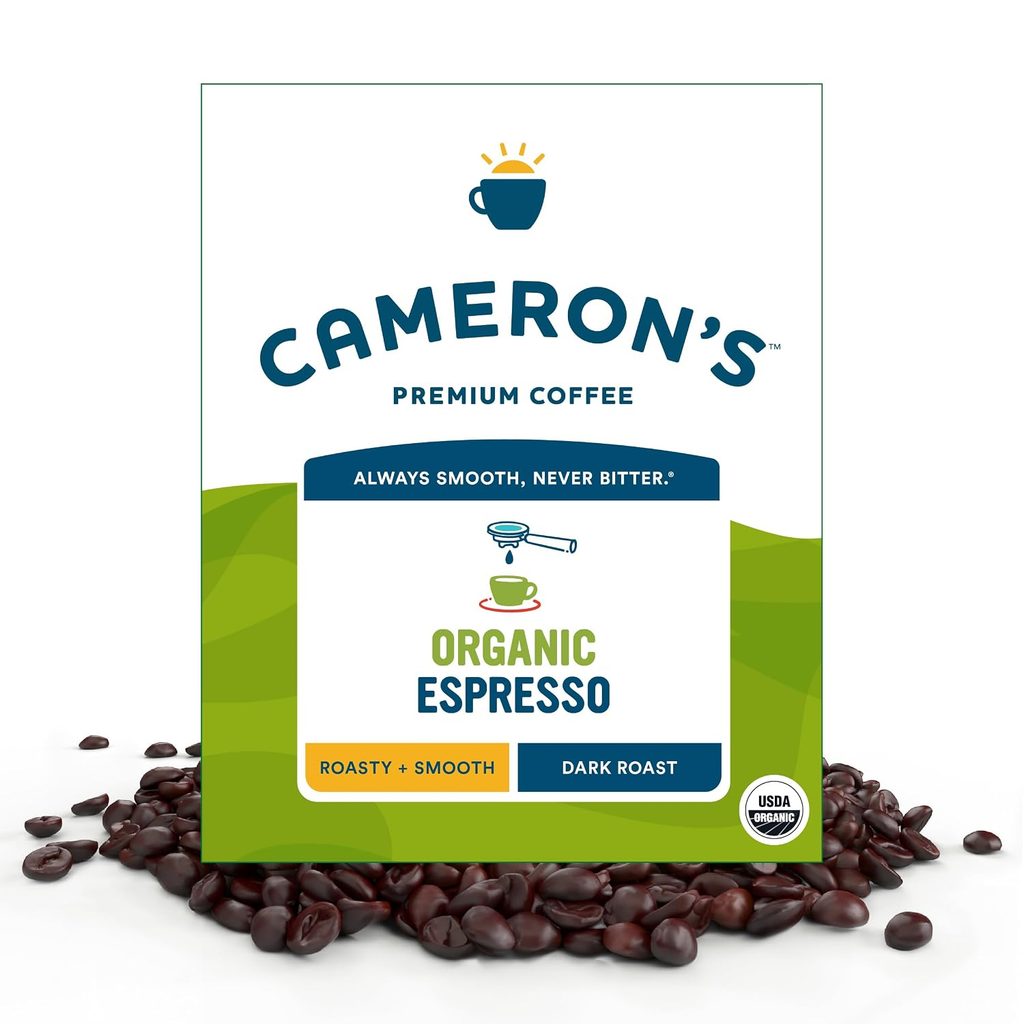
Chickens are curious and will peck at almost anything, but coffee grounds pose a real risk. They contain caffeine and other compounds that are toxic to chickens, even in small amounts. This article will explain the dangers, what to do if your chickens get into them, and suggest many safe alternatives for your flock.
Can Chickens Eat Coffee Grounds
This heading states the clear and important rule: coffee grounds are off the menu. Let’s break down the specific reasons why they are harmful to your chickens health.
The Primary Danger: Caffeine
Caffeine is a stimulant found in coffee beans, and it remains in the used grounds. While humans may enjoy its effects, for chickens, caffeine is a serious toxin. A chickens metabolism is not equipped to process it safely.
Even a small amount can lead to caffeine poisoning. Symptoms can include:
- Hyperactivity and restlessness
- Increased heart rate and panting
- Seizures or tremors
- Cardiac arrest and, in severe cases, death
Other Harmful Compounds
Beyond caffeine, coffee grounds are acidic and contain tannins. The acidity can disrupt a chicken’s digestive system, potentially leading to crop issues or imbalanced gut flora. Tannins can interfere with nutrient absorption, which is especially bad for laying hens who need plenty of calcium and protein.
Used vs. Fresh Grounds: Is There a Difference?
Some people think used grounds are safer because some caffeine is brewed out. This is a dangerous assumption. Used coffee grounds still contain significant amounts of caffeine and other compounds. They should never be considered safe for chicken consumption.
What to Do If Your Chickens Ate Coffee Grounds
Accidents happen. If you suspect your flock has pecked at coffee grounds, act quickly. Here are the steps you should follow:
- Remove the Source: Immediately get rid of any remaining coffee grounds in their reach.
- Observe Closely: Watch for any signs of distress listed above, like unusual behavior or breathing.
- Provide Clean Water: Ensure they have plenty of fresh water to help flush their systems.
- Contact a Veterinarian: If you see any symptoms or are unsure of the amount ingested, call an avian vet immediately. Do not wait.
Safe and Healthy Alternatives to Coffee Grounds
The good news is there are countless kitchen and garden scraps that are excellent for chickens. These treats provide nutrients and variety without the risk.
Excellent Vegetable and Fruit Scraps
Most veggies are a hit. Remember to chop larger pieces to prevent choking.
- Leafy Greens: Kale, lettuce, spinach, and Swiss chard.
- Crunchy Vegetables: Cucumber, zucchini, broccoli, and cauliflower (leaves and stems too!).
- Root Vegetables: Cooked pumpkin or squash, chopped carrots.
- Fruits: Berries, melon rinds, apple cores (seeds removed), and banana peels.
Great Protein Boosters
Especially helpful during molting or for extra egg nutrition.
- Cooked beans (never raw)
- Mealworms or black soldier fly larvae
- Scrambled or hard-boiled eggs (crushed shell and all)
- Plain yogurt
What About Other Garden Waste?
Chickens love to forage. Many garden weeds are edible and nutritious for them, like dandelions, clover, and chickweed. Grass clippings are fine if they are untreated with chemicals and not moldy.
Composting Coffee Grounds Safely
You don’t have to throw your coffee grounds away. Composting is a fantastic way to reuse them, but you must do it correctly to protect your chickens.
Secure Your Compost Bin
If your chickens have free access to your compost pile, they will scratch through it. To use coffee grounds in compost, you need a fully enclosed bin or a fenced-off pile they cannot access. This prevents them from accidentally consuming grounds or moldy food.
Benefits for the Garden
When composted properly, coffee grounds add nitrogen to your compost heap. They help create rich, fertile soil that you can later use in your garden. It’s a great way to recycle them without any risk to your flock.
Common Myths About Chickens and Food Scraps
Let’s clear up some misinformation that circulates among chicken owners.
Myth 1: “Chickens Know What’s Bad for Them”
This is false. Chickens are not discerning eaters. They will peck at shiny objects, styrofoam, and toxic plants out of curiosity. It is the owner’s responsibility to provide a safe environment.
Myth 2: “A Little Bit of Anything Won’t Hurt”
For some foods, like avocado pit and skin or dried beans, a little bit can be very dangerous. Caffeine falls into this category. Its better to be safe and stick to known safe foods.
Myth 3: “It’s Just Fiber, It’s Fine”
While coffee grounds are fibrous, the toxic components override any potential fiber benefit. There are much safer sources of fiber, like leafy greens.
Building a Balanced Diet for Your Flock
Treats and scraps should only be a small part of your chickens diet. Here’s how to ensure they get the nutrition they need.
Foundation: Quality Commercial Feed
A complete layer feed or flock raiser should be their main food source. It is scientifically formulated to provide the right balance of protein, calcium, vitamins, and minerals. This is non-negotiable for healthy eggs and birds.
The 90/10 Rule for Treats
A good guideline is that treats (including scraps, grains, and insects) should not make up more than 10% of their daily intake. The other 90% should be their nutritionally complete feed. Overfeeding treats can lead to obesity and nutrient deficiencies.
Always Provide Grit and Water
Chickens need insoluble grit (small stones) in their gizzard to grind up food, especially when eating fibrous treats. And of course, fresh, clean water must be available at all times, in all seasons.
Creating a Safe and Stimulating Environment
Preventing access to hazards is key. Here are some tips to keep your chickens busy and safe.
Secure Your Waste Areas
Keep outdoor trash cans tightly sealed. If you dump coffee grounds or other food waste outside, ensure it’s in a bin chickens cannot tip over or access. Indoor compost pails should have secure lids.
Provide Foraging Opportunities
A bored chicken is more likely to get into trouble. Give them healthy ways to express natural behaviors.
- Scatter their feed or safe treats in the grass.
- Hang a head of cabbage or lettuce for them to peck at.
- Provide a dust bath area for cleaning and pest control.
FAQs: Your Questions Answered
Can chickens eat tea bags or tea leaves?
No. Tea also contains caffeine and tannins. Used or unused tea bags and loose tea leaves should be kept away from your flock for the same reasons as coffee grounds.
What about decaf coffee grounds?
It’s best to avoid these too. Decaffeinated coffee is not 100% caffeine-free, and it still contains the other acidic compounds and tannins that can upset a chicken’s digestive system. The risk outweighs any nonexistent benefit.
Are coffee grounds bad for other poultry?
Yes. The toxicity of caffeine applies to ducks, geese, turkeys, and other poultry as well. The same rules and precautions should be followed for all your birds.
My chicken ate a coffee ground once and was fine. Why?
A single, tiny peck may not cause visible illness, but it doesn’t mean it’s safe. Toxicity can be cumulative, and individual sensitivity varies. Consistently allowing access could lead to a dangerous buildup or one-time overingestion. It’s a preventable risk not worth taking.
What are the absolute worst foods for chickens?
Along with coffee grounds, avoid avocado pit and skin, chocolate, raw or dried beans, green potato skins and sprouts, very salty foods, and anything moldy or spoiled. Always research a new food before offering it.
Final Thoughts on Chicken Safety
Keeping chickens healthy is all about managing their environment and diet. While sharing scraps is a fun part of having a flock, knowing what’s safe is crucial. Coffee grounds, due to their caffeine content, are a definite hazard.
By sticking to known safe treats, securing your compost, and providing a balanced diet, you’ll ensure your chickens live long, productive, and happy lives. Their safety is in your hands, and a little knowledge goes a long way in preventing accidents. Always when in doubt about a food item, leave it out or do thorough research first.