
If you love coffee, you know the taste of a truly fresh bean. Learning how to keep coffee beans fresh is the single most important thing you can do to make better coffee at home. It’s not about finding the most expensive bag; it’s about protecting what you have from its biggest enemies. This guide gives you clear, simple steps to preserve those beautiful flavors from the roaster all the way to your cup.
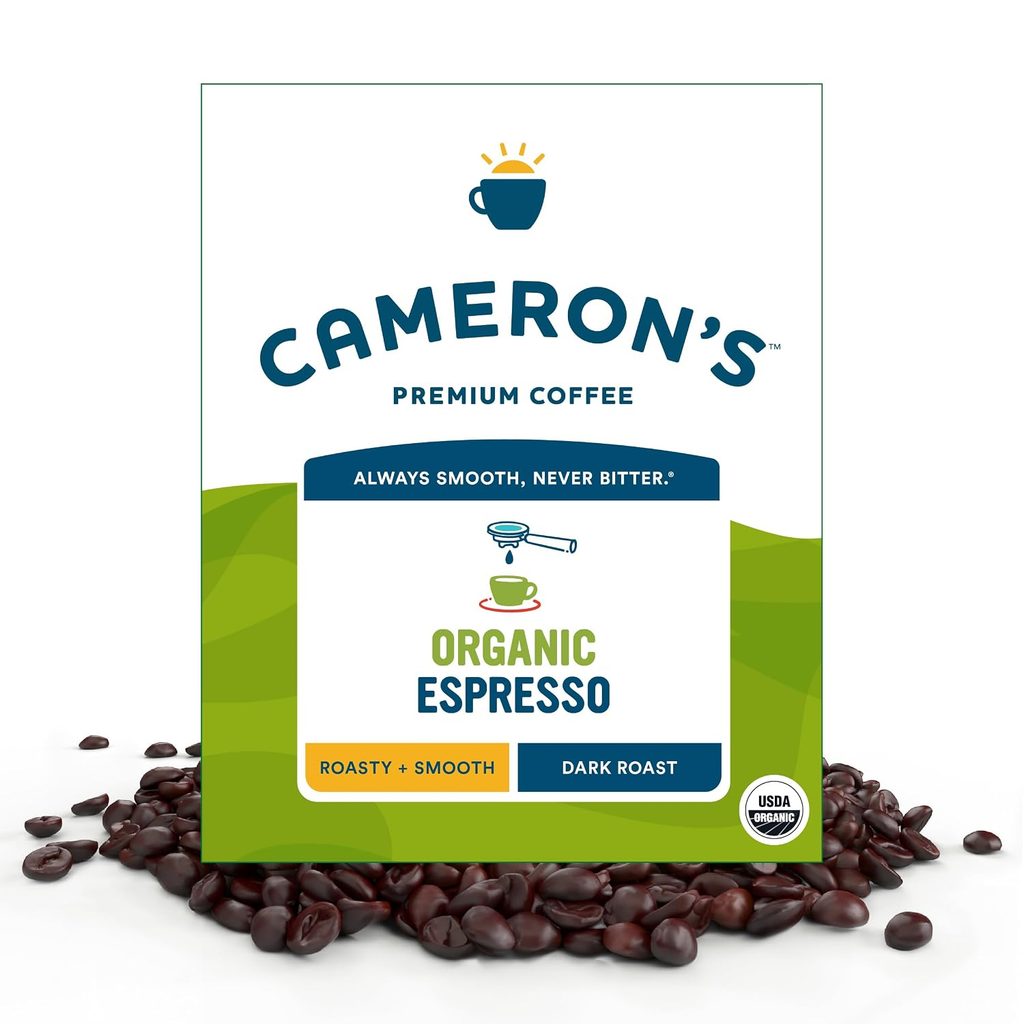
Fresh coffee tastes vibrant, complex, and alive. Stale coffee tastes flat, dull, and boring. The difference is huge. The good news? Keeping beans fresh is mostly about avoiding a few common mistakes. With some basic knowledge and the right habits, you can enjoy every coffee at its best.
How To Keep Coffee Beans Fresh
This principle is your new coffee mantra. Freshness isn’t a mystery. It’s a science of managing air, light, heat, and moisture. By controlling these factors, you control your coffee’s destiny. Let’s break down exactly what you’re fighting against and how to win.
The Enemies of Coffee Freshness
Your coffee beans are under constant attack from four main villains. Understanding them is the first step to winning the battle.
- Oxygen (Air): This is the number one enemy. Exposure to air causes oxidation, which breaks down the aromatic compounds and oils that give coffee its flavor. This process starts the moment beans are exposed.
- Light: Especially sunlight and UV light. Light acts as a catalyst, speeding up the chemical reactions that lead to staleness. It’s like leaving your coffee out to bake.
- Heat: Heat accelerates everything. It makes volatile aromatics evaporate faster and speeds up oxidation. Never store coffee near your oven, on top of the fridge, or in a sunny spot.
- Moisture: Humidity and liquid water are bad news. Moisture can ruin coffee’s texture and promote mold. This is why your freezer is a tricky option (more on that later).
The Best Container for Coffee Storage
Your bag isn’t always the best long-term home. Here’s what to look for in a storage container.
- Airtight Seal: This is non-negotiable. The lid must create a perfect seal to lock out air. Look for containers with clasp locks or screw-top lids with a silicone gasket.
- Opaque Material: Choose ceramic, tinted glass, or stainless steel. Clear glass or plastic jars are only good if you store them in a dark cupboard.
- The Right Size: Use a container that fits the amount of beans you have. Too much empty space means more oxygen inside the container with your beans.
- One-Way Valve Bags: Many quality roasters ship beans in bags with a small valve. This lets CO2 (a byproduct of fresh roasting) escape without letting air in. These bags are great until you open them. After opening, fold the top tightly and use a clip.
Where to Store Your Coffee Beans
Location is just as important as the container. The perfect spot in your kitchen is cool, dark, and dry.
- In a Cupboard or Pantry: This is the ideal everyday spot. Choose a cupboard away from the stove, oven, dishwasher, or any heat source.
- Countertop (If you must): Only if the container is fully opaque and you use the beans quickly. Keep it far from windows and appliances.
- Avoid the Fridge: The refrigerator is a humid environment full of food odors. Coffee beans are porous and can absorb these smells and moisture, which will ruin their flavor.
- The Freezer Debate: Freezing is an option for long-term storage of unopened bags or large quantities, but it must be done correctly to prevent freezer burn and moisture contamination.
How to Freeze Coffee Beans Correctly
If you do freeze beans, follow these steps carefully to avoid damaging them.
- Portion First: Divide your beans into weekly portions using small, airtight freezer bags or vacuum-sealed bags.
- Remove Air: Squeeze out as much air as possible from the bag before sealing.
- Freeze Quickly: Place the portions in the coldest part of the freezer.
- Thaw Once: When you need coffee, take out one portion. Do not refreeze thawed beans. Let the sealed bag come to room temperature before opening to prevent condensation from forming on the cold beans.
How Much Coffee to Buy at Once
Buying in bulk can seem economical, but it’s often a false economy if the coffee goes stale. Here’s a simple rule.
- Buy What You’ll Use in 1-2 Weeks: For most daily drinkers, a 12-ounce (340g) bag is perfect. It ensures you finish the beans while they are at peak freshness.
- Check the Roast Date, Not Expiry Date: Always look for a “Roasted On” date on the bag. Coffee is typically best used within 3-5 weeks of this date, especially once opened. The expiry date is often far too generous.
- Consider Your Drinking Speed: If you only have a cup a day, buy smaller bags. If you go through a pot daily, a larger bag makes sense.
Grinding: The Biggest Freshness Lever
This is the most impactful tip of all. Whole bean coffee stays fresh much, much longer than pre-ground coffee.
- Surface Area is the Key: When you grind coffee, you expose thousands of tiny particles to air. Oxidation happens in minutes, not weeks. Pre-ground coffee loses its best flavors fast.
- Grind Right Before Brewing: Invest in a good burr grinder and grind only the amount you need for each brewing session. It’s the single best upgrade for your home coffee.
- Keep Your Grinder Clean: Old coffee oils and particles in your grinder can go rancid and taint your fresh grind. Clean it regularly according to the manufacturer’s instructions.
A Step-by-Step Daily Freshness Routine
Putting it all together into a simple habit.
- Purchase: Buy a bag of whole beans with a recent roast date (within the last 1-2 weeks is ideal).
- Transfer (Optional): If the bag isn’t resealable or is clear, immediately transfer the beans to your opaque, airtight container.
- Store: Place the container in a cool, dark, dry cupboard.
- Use: Each morning, measure out the whole beans you need for your brew.
- Grind: Grind the beans just before you start your brewing method.
- Reseal: Immediately close the bag or container tightly to limit air exposure.
Common Mistakes to Avoid
Even with good intentions, it’s easy to slip up. Watch out for these common errors.
- Leaving the Bag Unsealed: Rolling the top of the bag isn’t enough. Always use the bag’s zip seal or a strong clip.
- Using a Clear Canister on the Counter: This exposes beans to both light and likely heat. If you love your canister, keep it in a cupboard.
- Refilling the Hopper: Many grinders have a clear bean hopper on top. Filling it with beans exposes them to light and air for days. Only put in what you’ll grind that day.
- Washing Beans or Containers with Water: Never rinse your beans. And ensure your storage container is completely, utterly dry before adding new beans. Any moisture will cause problems.
Signs Your Coffee Beans Have Gone Stale
How can you tell if you’ve lost the freshness battle? Your senses will know.
- The Smell: Fresh coffee has a strong, pleasant, aromatic scent. Stale coffee smells faint, musty, or like nothing at all.
- The Look: Fresh beans are slightly oily and have a deep color. Very dry, matte, or cracked beans are often stale (though some roast styles are naturally less oily).
- The Sound: Fresh beans make a distinct cracking sound when ground. Stale beans are quieter and may feel softer.
- The Taste: The final proof. Stale coffee tastes flat, sour, or papery. It lacks sweetness, complexity, and that vibrant “pop” of flavor.
Special Considerations for Different Beans
Not all coffees age exactly the same. A couple things to note.
- Dark Roasts vs. Light Roasts: Dark roasts are more porous and their oils rise to the surface faster, making them slightly more vulnerable to staling. Light roasts, being denser, can sometimes retain their structure a bit longer, but the same freshness rules apply to both.
- Decaf Coffee: The decaffeination process can make the bean structure more porous. Because of this, decaf beans may go stale a little faster than their caffeinated counterparts, so buy in smaller quantities.
FAQ: Keeping Coffee Beans Fresh
Is it better to keep coffee beans in the bag or a container?
It depends on the bag. If it’s a high-quality bag with a strong resealable zipper and a one-way valve, and you’ll use the coffee within a week or two, the bag is fine. For longer storage or if the bag is flimsy, an opaque, airtight container is better.
How long do whole coffee beans stay fresh?
After opening, whole beans are at their best for about 1-2 weeks when stored properly in an airtight container in a cool, dark place. They will still be okay to drink for up to a month, but the peak flavor window has likely passed.
Can you store coffee beans in the freezer to keep them fresh?
Yes, but only if you do it correctly. Freeze unopened bags or portioned beans in airtight, moisture-proof packaging. Never refreeze beans after thawing, and let frozen portions come to room temperature before opening the bag to prevent condensation.
Keeping your coffee beans fresh is a simple habit that pays off in every single cup. It doesn’t require expensive gear, just a bit of knowledge and consistency. Start by buying fresh whole beans in sensible quantities, store them in a proper spot, and grind them just before you brew. By respecting the beans and protecting them from their enemies, you ensure that the care taken by the farmer and roaster is fully realized in your mug. The difference in flavor is not subtle—it’s the difference between a good morning and a great one.