
If you’ve never had a cup, you might wonder what does coffee taste like. It’s a simple question with a surprisingly complex answer, as coffee can range from bitter and strong to sweet and fruity.
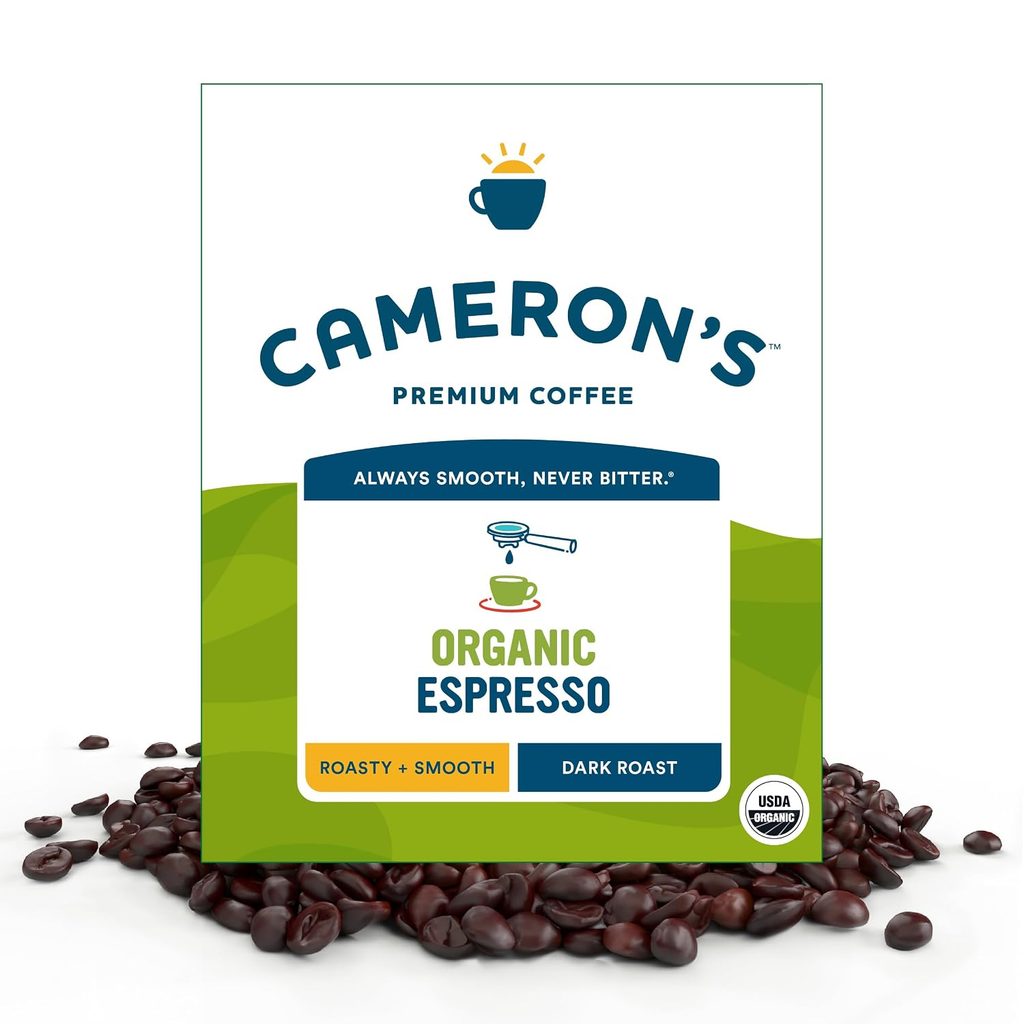
Your first sip can be a real surprise. Many people expect it to just be bitter, but there’s so much more going on. The taste is influenced by everything from the bean type to how it’s roasted and brewed. This guide will walk you through the main flavors you might encounter, helping you understand and appreciate your next cup.
What Does Coffee Taste Like
At its core, coffee’s flavor is built on a few key pillars: bitterness, acidity, sweetness, and body. The balance of these elements creates the overall experience.
Bitterness is often the most dominant note, especially in dark roasts. It comes from compounds formed during roasting. It’s not necessarily a bad thing—it provides structure and a lingering aftertaste, much like dark chocolate.
Acidity doesn’t mean sour in a bad way. Think of it as brightness or sharpness that makes the coffee taste lively. A high-acidity coffee might have a tangy quality reminiscent of citrus or berries.
Sweetness is a subtle note that balances the bitterness. In well-prepared coffee, you might detect hints of caramel, chocolate, or even raw sugar. This comes from the natural sugars in the coffee bean.
Body refers to how the coffee feels in your mouth—its weight or thickness. A full-bodied coffee feels rich and creamy, while a light-bodied one feels more like tea.
The Role of Coffee Beans: Arabica vs. Robusta
The species of the bean is the starting point for flavor. The two main types you’ll find are Arabica and Robusta.
- Arabica Beans: These are the most common and are generally considered higher quality. They typically have a smoother, sweeter taste with more complex flavors like fruit, berries, and sugar. Their acidity is higher, and their bitterness is lower.
- Robusta Beans: These beans contain more caffeine and have a stronger, harsher taste. The flavor is often described as woody, nutty, or rubbery. They have a heavier body and are more bitter, which is why they’re often used in espresso blends for that classic punch.
How Roasting Changes the Flavor
The roast level dramatically transforms the beans flavor profile. Think of it like toasting bread—the longer you roast, the darker and more intense the flavors become.
- Light Roast: Light brown color. They retain most of the bean’s original character, so you’ll taste higher acidity and more of the bean’s natural fruity or floral notes. The body is lighter, and the flavor can be quite bright.
- Medium Roast: Medium brown color. This is the most popular roast. It balances acidity, body, and flavor. You get a more rounded taste, with the bean’s origin notes mellowing into balanced tones of caramel, nuts, and chocolate.
- Dark Roast: Dark brown to almost black. The roasting flavors dominate here. You’ll get pronounced bitterness, heavy body, and smoky, spicy, or charred notes. The original flavors of the bean are mostly hidden by the roast taste.
The Impact of Brewing Methods
How you make your coffee is the final, crucial step. The same grounds can taste totally different depending on your brewer.
Drip Coffee Makers
This common method produces a clean, consistent cup. It tends to highlight the balanced notes of a medium roast, often resulting in a familiar, comforting flavor that’s neither too strong nor too weak.
French Press
Because a metal filter lets more oils and fine particles through, French press coffee has a heavier, fuller body. It can taste richer and more robust, sometimes with a slight sediment at the bottom of the cup.
Espresso
High pressure forces hot water through finely-ground coffee, creating a concentrated, syrupy shot. Espresso has an intense flavor, a creamy layer on top called crema, and a powerful aroma. It’s the base for drinks like lattes and cappuccinos.
Pour-Over (e.g., Hario V60, Chemex)
This manual method offers great control. It typically produces a very clean, bright cup that highlights the coffee’s delicate acidity and complex flavor notes, making it ideal for tasting the unique character of single-origin beans.
Cold Brew
Steeping grounds in cold water for 12-24 hours creates a smooth, low-acidity drink. Cold brew tastes naturally sweeter and less bitter, often with chocolate or nutty notes, even without adding milk or sugar.
Common Flavor Notes You Might Taste
Professional coffee tasters use a “flavor wheel” to describe specific notes. Here are some common ones you might recognize:
- Chocolate/Cocoa: A classic note, ranging from milk chocolate to dark bitter cocoa.
- Nutty: Think of almonds, hazelnuts, or peanuts. Common in medium roasts.
- Fruity: Berries, citrus, or stone fruit like peach. More common in light roasts from Africa.
- Floral: A fragrant note like jasmine or honeysuckle, often found in high-quality Arabicas.
- Caramel/Sweet: The taste of caramelized sugar, toffee, or maple syrup.
- Spicy: Notes of cinnamon, cardamom, or even pepper.
- Earthy/Woody: An organic taste, sometimes like cedar or soil. Prevalent in some Indonesian coffees and Robustas.
Why Your Coffee Might Taste Bad (And How to Fix It)
Sometimes coffee doesn’t taste right. Here are common problems and their likely causes.
- It tastes too bitter or burnt. This usually means over-extraction. Your water was too hot, you brewed for too long, or the grind was too fine. Try a coarser grind, shorter brew time, or slightly cooler water.
- It tastes sour or sharp. This is under-extraction. The water wasn’t hot enough, the brew time was too short, or the grind was too coarse. Use hotter water (just off the boil), brew longer, or use a finer grind setting.
- It tastes flat or dull. Stale coffee is the most likely culprit. Coffee beans taste best within a month of roasting and just days after grinding. Always store beans in an airtight container away from light and heat.
- It tastes muddy or gritty. This is often a sign of a poor filter or too many fine particles in your grind. Ensure your equipment is clean and consider adjusting your grinder.
How to Better Taste Your Coffee (A Simple Guide)
You can learn to notice more flavors in your daily cup. It’s called “cupping” in the coffee world, but you can do a simple version at home.
- Smell it first. Aroma is a huge part of flavor. Take a moment to inhale the scent before you sip. What do you smell? Nutty? Sweet? Earthy?
- Take a sip. Let the coffee spread across your tongue. Don’t swallow immediately.
- Focus on the first impression. Is your first reaction about brightness (acidity) or heaviness (body)?
- Notice the middle. As it sits on your tongue, what flavors emerge? Can you pick out any specific notes from the list above?
- Pay attention to the aftertaste. The flavor that lingers after you swallow is called the finish. Is it short and clean, or long and bitter?
Try this with two different coffees side by side. The differences will become much more obvious.
How Additives Change the Flavor
What you add to your coffee completely changes its taste profile.
- Milk/Cream: Adds sweetness and fat, which coats your tongue and reduces the perception of bitterness. It also adds a creamy body.
- Sugar/Sweeteners: Obviously adds sweetness, masking sour and bitter notes. They can also add their own flavors, like vanilla or caramel.
- Spices (cinnamon, cardamom): Introduce warming, aromatic notes that blend with the coffee’s natural flavors.
- Flavored Syrups: Overwhelm the coffee’s subtle notes with strong, singular flavors like vanilla, hazelnut, or pumpkin spice.
There’s no right or wrong way—it’s your cup! But tasting it black first, even just once, helps you understand the coffee’s true character.
The Unique Case of Decaf
Many people think decaf tastes worse, but modern methods are much better. Decaffeination can sometimes make the bean slightly more muted or alter its natural acidity, but a high-quality decaf can still have excellent chocolatey, nutty, or fruity notes. The key is finding a good roaster who uses quality beans and a gentle decaf process.
Frequently Asked Questions
Why does coffee taste bitter to me?
Bitterness is a core component of coffee, primarily from compounds created during roasting. Darker roasts are more bitter. Your genetics also play a role—some people are more sensitive to bitter tastes than others.
What does good coffee taste like?
Good coffee tastes balanced. It shouldn’t be overwhelmingly bitter or sour. You should be able to taste some pleasant flavors beyond just “coffee,” like chocolate, nuts, fruit, or caramel, with a clean aftertaste.
How would you describe the taste of coffee?
Coffee is often described as bitter, rich, and aromatic. Its a complex drink with potential notes of chocolate, nuts, berries, caramel, or spices, depending on the bean, roast, and brew method. It has a unique acidity and a weight on the tongue called body.
Why does my homemade coffee not taste like a café’s?
Cafés control many variables: fresh, high-quality beans; precise grinding right before brewing; filtered water at the correct temperature; and skilled baristas. At home, using stale pre-ground coffee, incorrect water temp, or the wrong grind size are common culprits.
Can coffee taste sweet without sugar?
Yes! Naturally occurring sugars in the coffee bean caramelize during roasting. Light and medium roasts from certain regions (like Brazil or Ethiopia) can have pronounced natural sweetness reminiscent of honey, sugarcane, or stone fruit.
What does espresso taste like compared to regular coffee?
Espresso is much more concentrated, so its flavors are intense and amplified. It has a thicker, syrupy body and a creamy top layer. It often tastes stronger, more bitter, and more complex than drip coffee, even when made from the same beans.
Understanding what coffee tastes like is a journey. Your preferences will guide you—maybe you love the bright, tea-like quality of a light Ethiopian pour-over, or perhaps you prefer the bold, chocolatey punch of a dark roast espresso. The best way to learn is to try different kinds. Pay attention to the labels on the bag, experiment with brew methods, and most importantly, take a moment to really taste what’s in your cup. You might be surprised at what you find.