
When you’re making your morning coffee or choosing a new mug, a common question pops up: how many oz is a standard coffee mug? The answer isn’t as simple as you might think, because “standard” can mean different things in different contexts. This guide will break down everything you need to know about coffee mug sizes, from the small cups in your cupboard to the large ones at cafes, helping you measure perfectly every time.

A standard coffee mug you use at home typically holds 8 to 12 fluid ounces. However, this is just a common range. Many mugs, especially modern ones, are much larger. The idea of a “standard” size has grown over the years as our consumption habits have changed. To truly understand what you’re drinking from, we need to look at different types of mugs and how they are used.
How Many Oz Is A Standard Coffee Mug
Let’s define our terms. In the world of drinkware, a “coffee mug” is distinct from a “coffee cup.” A traditional coffee cup, often part of a formal set with a saucer, usually holds about 6 fluid ounces. A mug is the larger, typically handle-equipped vessel we use daily. When most people ask about a standard mug, they are reffering to this everyday item.
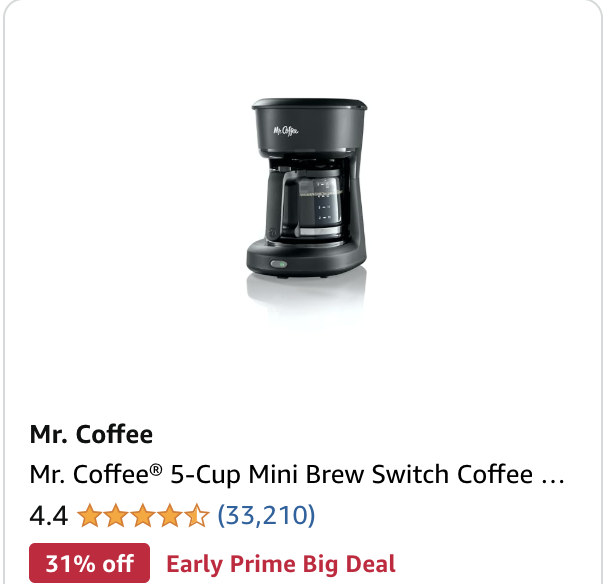
The most widely accepted answer is that a standard coffee mug holds 8 to 12 ounces. This size allows for a comfortable serving of coffee, often with a little room for cream or milk. If you look at sets sold in stores, 11-ounce mugs are extremely popular and represent a good middle ground. But walk into any home goods store, and you’ll see mugs ranging from tiny 4-ounce espresso cups to massive 20-ounce or even 30-ounce giants.
Why such a big range?
* Consumer Demand: People often want more coffee without needing a refill.
* Style Trends: Oversized mugs have become a popular aesthetic.
* Function: Larger mugs are used for drinks like lattes, cappuccinos, or tea that have more volume.
How to Measure Your Own Mug’s Capacity
Don’t trust the looks of a mug! The only way to know for sure is to measure it. Here’s a simple step-by-step method using water and a measuring cup.
1. Gather your tools. You’ll need your mug, a liquid measuring cup (the kind with spout and markings on the side), and water.
2. Fill the mug to the brim. Pour water into your mug until it is completely full, right to the very top edge.
3. Pour into the measuring cup. Carefully pour the water from the mug into your liquid measuring cup. Try not to spill any.
4. Read the measurement. Place the measuring cup on a flat surface and look at the fluid ounce (fl oz) marking at the bottom of the water’s meniscus (the curve). That number is your mug’s true capacity.
This tells you the maximum volume. For a practical coffee fill level, you’ll want to leave about half an inch of space at the top to prevent spills. So, a mug with a 12-ounce capacity typically holds about 10 to 10.5 ounces of liquid comfortably.
Standard Mug Sizes vs. Coffee Shop Sizes
It’s important to note that your home mug sizes are different from coffee shop terminology. Coffee chains have their own standards, which can cause confusion.
Small (or Tall): Often 12 ounces. This is usually larger than a home “standard” mug.
* Medium (or Grande): Typically 16 ounces.
* Large (or Venti): Can be 20 ounces (hot) or 24 ounces (iced).
So, when you order a “medium” 16-ounce coffee and pour it into your 12-ounce home mug, it will overflow. This disconnect is why knowing your mug’s real capacity is so useful.
Types of Mugs and Their Typical Ounces
Not all mugs are created equal. The design and purpose influence its size.
Classic Ceramic or Stoneware Mug
This is the workhorse of the kitchen. These mugs are usually in the 8 to 12 ounce standard range. They are designed for a full cup of drip coffee. Their weight and insulation are balanced for comfortable handling.
Oversized or Cafe Mug
These are the big bowls with handles. They commonly hold 16 to 20 ounces, and sometimes more. They are perfect for large servings, lattes, or for those who like to sip for a long time. They can also be great for soups and cereals.
Travel Mug or Tumbler
Travel mugs are a category of their own. Sizes vary widely:
* Small: 12-15 oz
* Medium: 16-20 oz
* Large: 24-30 oz
Their listed capacity is usually their maximum, but remember to account for the space left for a lid to screw on securely.
Espresso Cup and Demitasse
These are tiny, holding only 2 to 3 ounces. They are for serving concentrated espresso. A demitasse is slightly larger, sometimes up to 4 ounces, and may be used for Turkish coffee.
Cappuccino or Latte Mug
These are wider to allow for milk foam. A cappuccino mug is usually smaller, around 6 to 8 ounces, with equal parts espresso, steamed milk, and foam. A latte mug or bowl is larger, from 8 to 12 ounces or more, to hold more steamed milk.
Why Getting the Size Right Matters
Knowing your mug’s ounces isn’t just trivia. It has practical impacts on your daily routine.
* Brewing the Right Amount: If you use a single-serve brewer like a Keurig or a pour-over method, the machine or recipe assumes a certain cup size. Putting a 16-ounce mug under a brewer set for an 8-ounce cup will give you weak, underwhelming coffee.
* Following Recipes: Many coffee and tea recipes specify ounces. A chai latte or a homemade mocha will taste best if the coffee-to-milk ratio is correct.
* Managing Caffeine Intake: If you think you’re drinking two 8-ounce cups but your mugs are actually 14 ounces each, you’re consuming nearly twice the caffeine. This is crucial for health and sleep.
* Choosing the Right Mug for the Drink: A delicate herbal tea might get lost in a 20-ounce mug and go cold before you finish. An espresso looks silly in a huge bowl. Matching drink to vessel improves the experience.
How to Choose the Perfect Size Mug for You
Think about your personal habits. Ask yourself these questions:
* How much coffee do you drink at once? If you like one full serving, an 8-12 oz mug is perfect. If you hate getting up for refills, go larger.
* Do you add a lot of milk or cream? If you do, start with a larger mug so your coffee doesn’t overflow when you add your dairy.
* What feels comfortable in your hand? Heft a few mugs. The weight and handle size matter as much as capacity.
* Will it fit under your coffee maker? Measure the clearance! Some machines won’t accommodate a tall travel mug or an extra-thick ceramic mug.
For most people, having a set of mugs in the 11-ounce size is a versatile choice. It’s a good standard that works for coffee, tea, hot chocolate, and even a small snack.
Common Misconceptions About Mug Sizes
Let’s clear up a few frequent points of confusion.
“This mug says it’s 10 ounces, but my measuring cup shows 12.” Mugs are sometimes labeled by their practical fill line, not their absolute brim capacity. Always measure yourself.
* “A cup is 8 ounces, so all mugs are 8 ounces.” In cooking, a “cup” is 8 fluid ounces. But this is a unit of measurement, not a description of physical drinkware. Mugs are almost always larger than one measuring cup.
* “My travel mug says 16 oz, but it holds my whole 20-oz coffee shop drink.” Coffee shops often fill their cups with ice, which takes up volume. Your 20-ounce iced coffee might only have 14 ounces of liquid in it, which fits fine in your 16-ounce travel mug.
FAQ Section
Q: How many ounces is a normal mug?
A: A normal or standard coffee mug holds between 8 and 12 fluid ounces on average.
Q: Is a coffee mug 1 cup?
A: Not usually. In cooking, “1 cup” equals 8 fluid ounces. A standard coffee mug is often larger, holding 8 to 12 oz or more. So a mug is typically at least one measuring cup, but often 1.5 cups.
Q: What is the size of a standard mug in milliliters?
A: Since 1 fluid ounce is approximately 30 milliliters, an 8-12 oz standard mug holds between 240 and 355 ml. A common 10-ounce mug is about 300 ml.
Q: How big is a 12 oz mug?
A: A 12-ounce mug holds 1.5 standard measuring cups of liquid. Visually, it’s a good-sized mug that can hold a full can of soda (12 oz) with a little room at the top.
Q: Why are coffee shop sizes so different from home mugs?
A: Coffee shops use larger sizes for several reasons: to accommodate milk-based drinks, offer upgrade options, and meet consumer demand for larger portable servings. Their “small” is often what we consider a “large” at home.
Q: How do I know if my mug is 8 or 12 ounces?
A: The only reliable way is to measure it. Fill the mug to the brim with water, then pour that water into a liquid measuring cup to see the exact volume.
Tips for Using Your Mugs Effectively
Now that you’re an expert on mug sizes, here’s how to apply that knowledge.
* Label your mugs. If you have a variety, use a waterproof marker on the bottom to note the ounces. This is especially helpful for brewing.
* Adjust your coffee maker. If your mugs are large, program your drip coffee maker to brew more water per scoop of grounds, or use the “strong” setting if you’re filling a bigger vessel.
* Pre-warm your mug. For hot drinks, rinse your mug with hot water first. This keeps your coffee or tea hotter longer, which is especially important for larger mugs where the drink might cool before your done.
* Mind the microwave. If you reheat coffee in a ceramic mug, place a microwave-safe spoon in it to prevent superheating. Also, be aware that handles can get hot.
Choosing and using the right coffee mug makes your daily ritual more enjoyable. It ensures you get the strength and temperature you prefer. While the definition of a standard coffee mug is fluid, being informed puts you in control. You can now select mugs that fit your lifestyle, brew coffee that tastes right, and finally understand why that coffee shop medium always seems to big for your cupboard. So grab your favorite mug, measure it if you haven’t, and pour yourself a perfectly proportioned cup.