
If you’re wondering how do i brew coffee, you’re in the right place. Brewing a great cup at home is simpler than you might think, and it all starts with a few key steps.
This guide will walk you through everything from choosing beans to pouring your first sip. We’ll cover the most popular methods so you can find your favorite. Let’s get started.
How Do I Brew Coffee
This core question has many answers, each leading to a delicious result. The best method for you depends on your taste, time, and tools. We’ll break down the universal principles first.
The Four Pillars of Great Coffee
No matter how you brew, four factors determine your cup’s quality. Master these, and you’ll make better coffee instantly.
- Coffee Beans: Start with fresh, high-quality beans. Look for a roast date on the bag, not just a best-by date.
- Grind Size: The grind must match your brewing method. Too fine or too coarse can make coffee bitter or weak.
- Water Quality: Use filtered water if your tap water has a strong taste. Good water makes good coffee.
- Proper Ratio: This is the balance between coffee grounds and water. Getting it right is crucial for strength and flavor.
Choosing Your Coffee Beans
Your journey begins at the store or local roaster. The choices can seem overwhelming, but here’s a simple guide.
Arabica beans are known for their smoother, sweeter taste. Robusta beans have more caffeine and a stronger, sometimes harsher flavor. Most specialty coffees are Arabica.
Consider the roast level. Light roasts retain more of the bean’s original character and acidity. Medium roasts offer a balanced flavor. Dark roasts are bold and smoky, but can taste charred if overdone.
Why Freshness Matters So Much
Coffee beans start losing their flavor gases soon after roasting. For the best taste, buy beans roasted within the past 2-4 weeks. Store them in an airtight container in a cool, dark place. Avoid the fridge or freezer, as moisture and odors are enemies.
The Essential Tool: Your Coffee Grinder
Grinding your beans just before brewing is the single biggest upgrade you can make. Pre-ground coffee loses flavor fast because it has more surface area exposed to air.
A burr grinder is prefered over a blade grinder. It crushes beans to a consistent size, which leads to even extraction. Blade grinders chop beans unevenly, creating a mix of fine powder and coarse chunks.
Grind Size Chart
- Extra Coarse: Similar to peppercorns. Good for cold brew.
- Coarse: Like sea salt. Used for French Press.
- Medium-Coarse: A rough sand texture. For Chemex and some drip machines.
- Medium: Smooth sand. The standard for drip coffee makers.
- Fine: A bit finer than table salt. Used for espresso and AeroPress (with certain recipes).
- Extra Fine: Almost like powdered sugar. For Turkish coffee.
Perfecting Your Coffee-to-Water Ratio
This is where math meets magic. A standard starting point is the “Golden Ratio” from the Specialty Coffee Association.
They recommend 55 grams of coffee per 1 liter of water (or about 1 tablespoon of grounds per 5 oz cup). This is a 1:18 ratio. You can adjust to taste—use more coffee for a stronger brew, or less for a lighter one.
Using a kitchen scale is the most accurate way to measure. Volume measurements (like scoops) can vary alot because grind size affects how much fits in a spoon.
Step-by-Step Brewing Methods
Now let’s apply the principles to specific techniques. Each method has it’s own charm and ritual.
How to Brew with a Drip Coffee Maker
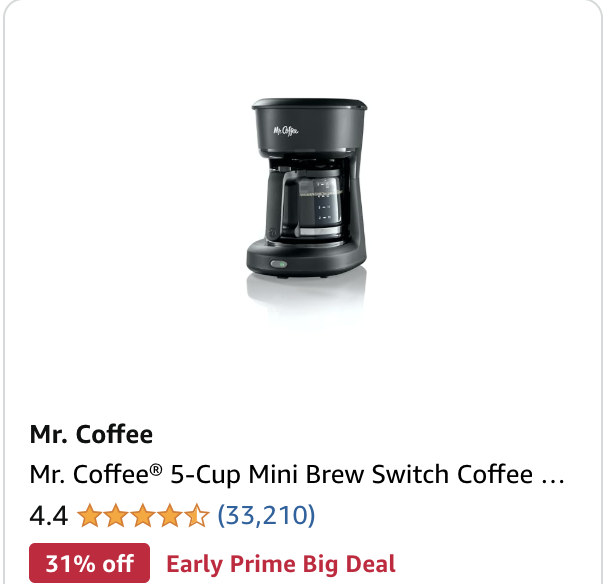
This is the most common method in American homes. A good machine with proper technique makes a reliable pot.
- Start with fresh, cold filtered water. Pour it into the reservoir.
- Add a paper filter to the basket. Rinse it with hot water to remove any paper taste and pre-heat the brewer.
- Grind your beans to a medium consistency. You’ll need about 2 tablespoons of grounds for every 6 ounces of water.
- Add the grounds to the rinsed filter. Gently shake the basket to level the bed.
- Start the brewing cycle. When it’s done, remove the carafe immediately to avoid burnt flavors from the hot plate.
- Pour and enjoy your coffee right away, or transfer it to a thermal carafe to keep it warm.
How to Make French Press Coffee
The French Press (or cafetière) makes a rich, full-bodied cup. It allows oils and fine particles into your brew, giving it a unique texture.
- Boil water, then let it sit for 30 seconds to reach about 200°F (93°C).
- Grind your coffee beans to a coarse setting. You want about 1 ounce (28 grams) of coffee for every 16 ounces (475 ml) of water.
- Add the coarse grounds to the clean, dry French Press.
- Pour a small amount of hot water over the grounds, just enough to wet them all. Wait 30 seconds. This is called the “bloom,” and it lets gases escape.
- Pour in the rest of your hot water. Stir gently with a wooden or plastic spoon.
- Place the lid on top with the plunger pulled all the way up. Let it steep for 4 minutes.
- Press the plunger down slowly and steadily. If you feel strong resistance, your grind is too fine.
- Pour all the coffee out into your cups immediately. Leaving it in the press will cause over-extraction and bitterness.
The Pour-Over Method (Using a Hario V60 or Similar)
Pour-over brewing gives you maximum control and a clean, bright cup. It highlights the nuanced flavors of the coffee.
- Place your dripper on a mug or carafe. Insert a paper filter.
- Heat your water to just off-boil (200-205°F / 93-96°C). Thoroughly wet the filter with hot water. This pre-heats your equipment and discards the paper taste. Dump this water out.
- Add your medium-fine ground coffee to the filter. A good ratio is 1 gram of coffee to 16-17 grams of water.
- Start your timer. Pour just enough water to saturate all the grounds (about twice the weight of the coffee). Let it bloom for 30-45 seconds.
- After the bloom, begin pouring the remaining water in slow, steady circles. Start from the center and move outward, avoiding the very edges of the filter. Keep the water level consistent.
- Your total brew time should be around 2:30 to 3:30 minutes for a single cup. Adjust your grind finer if it’s too fast, or coarser if it’s too slow.
- Once the water fully drains through, remove the dripper and enjoy.
Quick and Strong: The AeroPress
The AeroPress is versatile, portable, and makes a smooth, concentrated coffee. It’s a favorite among travelers.
- Insert a paper filter into the AeroPress cap. Rinse it with hot water and screw the cap onto the chamber. Place it over a sturdy mug.
- Add your coffee, ground fine (like table salt). One AeroPress scoop is typical, but you can measure 15-17 grams for more precision.
- Pour hot water (175-185°F / 80-85°C for standard method) up to the desired number on the chamber (usually #2 or #4).
- Stir gently for about 10 seconds to ensure all grounds are wet.
- Insert the plunger and press down slowly and evenly. It should take about 20-30 seconds. You’ll hear a hiss when you’re done.
- Your result is a concentrated brew. You can drink it as is, or add hot water to make an “American-style” cup.
Simple Cold Brew Coffee at Home
Cold brew is smooth, low-acid, and perfect for iced coffee. It involves steeping coarse grounds in cold water for a long time.
- Use a very coarse grind, similar to French Press but even chunkier.
- Combine coffee and cold filtered water in a large jar or pitcher. A strong ratio is 1 cup of coarse grounds to 4 cups of water.
- Stir well to ensure all grounds are soaked. Cover the container.
- Let it steep at room temperature or in the refrigerator for 12 to 24 hours. The longer it steeps, the stronger the flavor.
- After steeping, strain the coffee through a fine-mesh sieve lined with a cheesecloth or a dedicated cold brew bag. You may need to strain twice to remove all sediment.
- This makes a cold brew concentrate. Dilute it with water or milk over ice, usually at a 1:1 ratio. It keeps in the fridge for up to two weeks.
Troubleshooting Common Coffee Problems
Even with good steps, things can go a little wrong. Here’s how to fix common issues.
My Coffee Tastes Too Bitter
Bitterness usually means over-extraction. The water pulled out too many harsh compounds. Try a coarser grind, a shorter brew time, or slightly cooler water. Also, check that your are not using too fine a grind for your method.
My Coffee Tastes Sour or Weak
Sourness or weakness suggests under-extraction. The water didn’t pull enough flavor out. Try a finer grind, a longer brew time, or hotter water. Ensure you’re using enough coffee grounds for the amount of water.
My Coffee is Muddy or Has Too Much Sediment
This is common with French Press or if your grind is too fine. Use a coarser grind and be careful not to press the plunger all the way through the sludge at the bottom. For pour-over, ensure your filter is seated properly.
My Coffee is Always Cold by the Time I Drink It
Pre-heat your mug with hot water before pouring. Consider brewing directly into an insulated thermal carafe instead of a glass pot on a hot plate, which can actually burn the coffee over time.
FAQ: Your Coffee Brewing Questions Answered
What is the best water temperature for brewing coffee?
The ideal range is between 195°F and 205°F (90°C to 96°C). If you don’t have a thermometer, boil water and then let it sit for 30 seconds to a minute. Water that is too hot will scald the coffee; too cool won’t extract properly.
How fine should I grind coffee for a drip machine?
For most automatic drip machines, a medium grind is perfect. It should resemble smooth sand. If your coffee tastes bitter, grind a bit coarser. If it tastes weak, grind a bit finer.
Can I use pre-ground coffee?
You can, but for the freshest flavor, whole beans ground just before brewing is vastly superior. If you use pre-ground, buy it in small amounts, store it in an airtight container, and use it within a week or two of opening.
How do I clean my coffee equipment?
Regular cleaning is essential! Oils and minerals from coffee and water build up and make your coffee taste off. Run a mix of water and vinegar through your machine monthly, or use a commercial cleaner. Hand-wash French Presses and drippers with mild soap after each use.
Why does my coffee taste different from the café?
Cafés use high-end grinders, precise scales, filtered water, and very fresh beans. They also train their baristas. By focusing on fresh beans, proper grinding, good water, and accurate ratios at home, you can get very close to café quality.
How much caffeine is in my cup?
It varies widely. A standard 8-ounce cup of drip coffee has about 95 mg of caffeine. Espresso has about 64 mg per ounce, but you drink less volume. Cold brew concentrate can be very high in caffeine, especially if you don’t dilute it much. Light roasts actually have slightly more caffeine than dark roasts by volume.
Final Tips for Your Coffee Journey
The most important tip is to experiment and trust your taste. Write down what you try—grind size, coffee amount, water temperature—so you can repeat what you like and avoid what you don’t.
Invest in a few key tools: a burr grinder, a simple kitchen scale, and a gooseneck kettle if you get into pour-over. They make a huge difference in consistency.
Finally, have fun with it. Trying new beans from different regions is a adventure in itself. The world of home coffee brewing is deep, but it doesn’t have to be complicated. Start with the basics, make a lot of coffee, and your perfect cup is out there waiting for you.