
There’s something special about a cup of coffee made in a french press. The process is simple, but the result is a rich, full-bodied brew that many coffee lovers prefer. Learning how to brew french press coffee is a skill that will serve you for years. It doesn’t require expensive machines or complicated techniques. With a few key tips, you can make a fantastic pot every single time.
This guide will walk you through everything you need. We’ll cover the right equipment, the best coffee to choose, and the perfect step-by-step method. You’ll also learn how to tweak things to match your personal taste. Let’s get started.
How to Brew French Press Coffee
The core method for a french press is straightforward. It’s a process of steeping coarse coffee grounds in hot water and then separating them with a metal filter. This filter allows natural oils and fine particles into your cup, which is what creates that signature texture and flavor. Consistency is the key to mastering it.
Essential Equipment You’ll Need
You don’t need much gear, but quality matters. Here’s what to gather:
* A French Press: Also called a cafetière or coffee press. They come in various sizes, typically measured in cups. A 34-ounce (1-liter) press is a good standard for making coffee for two or three people.
* A Burr Grinder: This is the most important tool after the press itself. A burr grinder crushes beans to a consistent size, which is crucial for even extraction. Blade grinders create uneven grounds that can lead to bitter or weak coffee.
* A Gooseneck Kettle (Optional but Helpful): A kettle with a long, thin spout gives you precise control over pouring. This helps you wet all the grounds evenly from the start.
* A Kitchen Scale: Measuring your coffee and water by weight is the best way to get consistent results. Volume measurements (like tablespoons) can vary too much.
* A Timer: You can use your phone or a simple kitchen timer. The steeping time is important for controlling strength.
* Fresh, Whole Bean Coffee: Always start with beans you enjoy. We’ll talk more about choosing them next.
Choosing the Right Coffee Beans
The french press method is forgiving and works well with many coffee styles. Because the metal filter doesn’t trap oils, you get to experience the coffee’s full character.
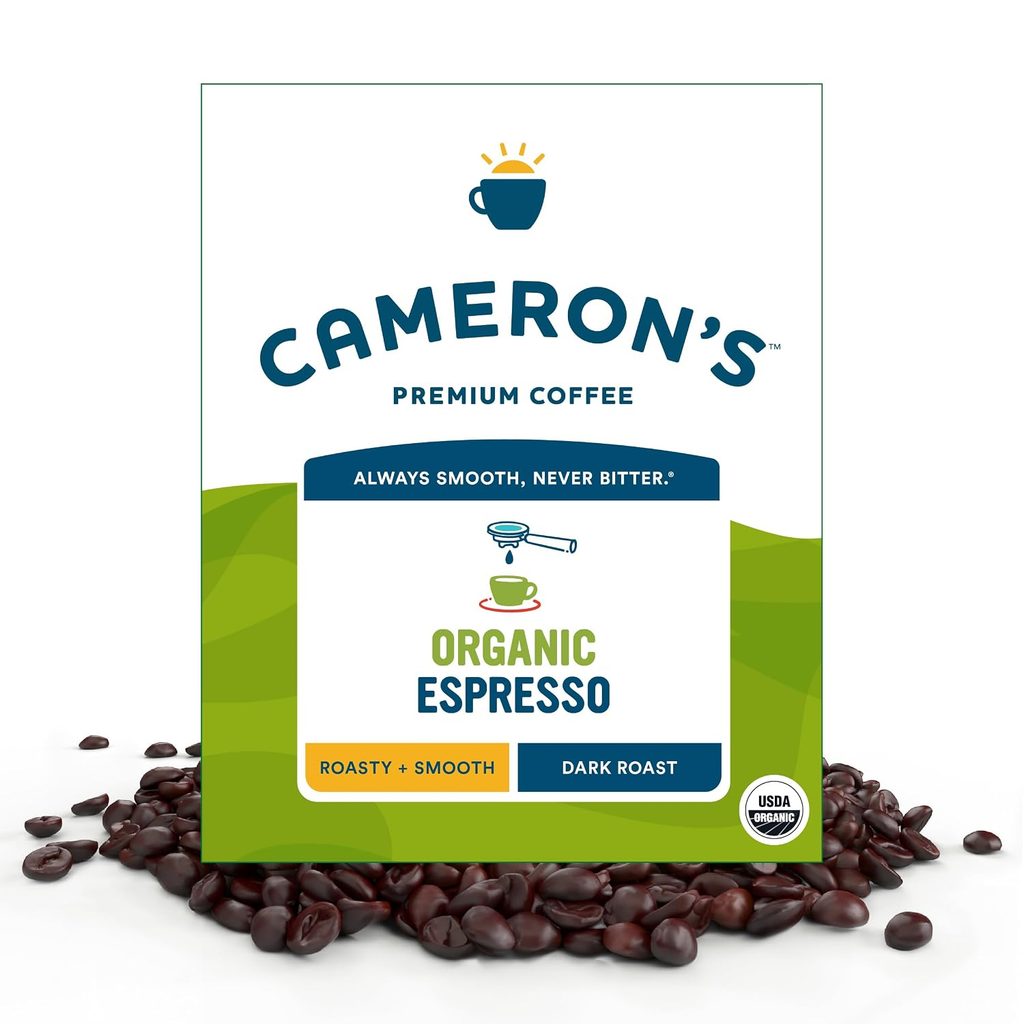
* Roast Level: Medium and dark roasts are very popular for french press. They tend to produce those classic, bold, and chocolatey notes people associate with the method. However, don’t be afraid to try a light roast. You might be surprised by the complex, bright flavors that come through.
* Grind Size: Coarse is Critical. This is non-negotiable. Your coffee grounds should look like rough sea salt, not like powdered sugar. A fine grind will slip through the metal filter and make your coffee muddy and bitter. It can also clog the plunger, making it difficult to press.
* Freshness: Buy whole beans and grind them yourself right before brewing. Pre-ground coffee is almost always too fine for a french press and loses its flavorful gases quickly after grinding.
The Golden Coffee-to-Water Ratio
A good starting point is a 1:15 ratio. That means for every 1 gram of coffee, you use 15 grams of water. For a standard 34-ounce press, this usually works out well.
* Example: For 500 grams (about 17 ounces) of water, you would use roughly 33 grams of coffee. That’s about 5-6 tablespoons, but again, a scale is more accurate.
* Adjust to Taste: If your coffee tastes too weak or watery, use a little more coffee next time (try a 1:14 ratio). If it’s too strong or bitter, use a little less coffee (try a 1:16 ratio).
Step-by-Step Brewing Instructions
Follow these steps closely for your best pot yet.
1. Boil Your Water. Heat fresh, cold water. The ideal brewing temperature is between 195°F and 205°F (90°C to 96°C). If you don’t have a thermometer, simply boil the water and then let it sit off the boil for about 30 seconds.
2. Weigh and Grind Your Coffee. Measure your whole beans on the scale. Grind them to a coarse consistency. Do this right before you brew for maximum freshness.
3. Preheat the Press (Optional but Recommended). Pour a little hot water into the empty glass carafe, swirl it around, and then pour it out. This warms up the glass so your brewing water doesn’t cool down to quickly when it hits it.
4. Add the Coffee. Place your french press on the scale and add the coarse grounds. Gently shake or tap the press to level the grounds.
5. Start the Timer and Bloom (First Pour). Start your timer. Pour just enough hot water (about twice the weight of the coffee) to saturate all the grounds. For our 33-gram example, pour about 65 grams of water. You should see the coffee bubble and swell—this is the “bloom,” where CO2 escapes.
6. Let it Bloom. Wait for 30 seconds. This allows the gases to release, which helps the water extract flavor more evenly later.
7. Add the Remaining Water. After the bloom, slowly pour the rest of your hot water over the grounds. Try to pour in a circular motion to wet any dry pockets. Place the lid on top with the plunger pulled all the way up.
8. Steep. Let the coffee steep for 4 minutes. This is the standard time, but you can experiment. A shorter steep (3:30) can yield a lighter cup, while a longer steep (4:30) can be stronger.
9. Press Slowly and Steadily. After 4 minutes, it’s time to press. Place your hand on the lid and apply gentle, even pressure. Press straight down. If you meet a lot of resistance, your grind is probably too fine. The press should take about 20-30 seconds.
10. Serve Immediately. Once pressed, pour all the coffee out into your cups or a separate serving carafe. Do not let it sit in the press with the grounds, as it will continue to extract and become bitter.
Common Mistakes and How to Avoid Them
Even small errors can affect your coffee. Here are the big ones to watch for:
* Using the Wrong Grind Size: Too fine = bitter, muddy coffee. Too coarse = weak, sour coffee. Invest in a decent burr grinder.
* Skipping the Bloom: The bloom ensures even saturation. If you skip it, you might get uneven extraction where some grounds are over-extracted and others are under-extracted.
* Letting Coffee Sit in the Press: After pressing, the grounds are still in contact with the water at the bottom. Leaving the coffee in there will lead to over-extraction. Always decant it right away.
* Pressing Too Fast or at an Angle: Plunging quickly can agitate the grounds and force bitter particles into your cup. Pressing at an angle can cause the filter to bypass the grounds, making your coffee sludgy.
* Using Stale or Pre-Ground Coffee: For the best flavor, freshness is everything. Whole beans stay fresh longer than ground coffee.
Advanced Tips for Perfecting Your Brew
Once you’ve mastered the basics, try these tweaks.
* Water Quality Matters. If your tap water tastes bad or is very hard, your coffee will too. Use filtered or bottled spring water for a cleaner taste.
* Experiment with Steep Time. Try adjusting your steep time in 15-second increments. You might find you prefer a 3:45 or a 4:15 minute brew.
* Try a Different Ratio. Play with the coffee-to-water ratio to find your personal “sweet spot.” Some prefer a stronger 1:13, others a lighter 1:17.
* Stir After the Bloom. A quick, gentle stir after you add all the water can help ensure all grounds are fully immersed.
* Clean Your Press Thoroughly. Coffee oils can go rancid and affect flavor. Take apart the plunger assembly after each use and wash all parts. Soak it in a water and baking soda solution occasionally to remove stubborn residues.
Cleaning and Maintaining Your French Press
Proper care extends the life of your press and keeps your coffee tasting great.
1. Disassemble the Plunger. Unscrew the metal filter assembly from the lid and seperate the mesh filter and the spiral plate.
2. Discard the Grounds. The easiest way is to scoop most of them into the trash or compost. Do not pour them down your sink, as they can clog the drain.
3. Rinse and Wash. Rinse all parts with warm water. Use a little dish soap and a soft brush or sponge to clean the glass carafe and all filter parts. A bottle brush is helpful for the carafe.
4. Deep Clean Weekly. Soak the filter assembly in a mixture of warm water and a denture cleaning tablet or a paste of baking soda and water. This breaks down any built-up oils.
5. Dry Completely. Let all parts air dry fully before reassembling to prevent mold or mildew.
French Press Coffee FAQ
Why is my french press coffee bitter?
Bitterness is usually a sign of over-extraction. The most common causes are using coffee grounds that are too finely ground, using water that is too hot, or letting the coffee steep for too long. Check your grind size first—it should be coarse.
Can I make cold brew in a french press?
Absolutely! A french press is one of the easiest tools for making cold brew. Use a coarse grind and a 1:8 coffee-to-water ratio. Stir, put the lid on (do not press), and let it steep in your refrigerator for 12-18 hours. Then press and pour. You’ll have a smooth, concentrated cold brew to dilute with water or milk.
How do I make french press coffee for one person?
You can use a small 3-cup french press, or simply adjust the ratios in a larger press. A good single-serving recipe is 18 grams of coffee to 270 grams of water. Follow the same steps: bloom, steep for 4 minutes, press, and enjoy.
Is french press coffee stronger than drip coffee?
It depends on what you mean by “stronger.” French press coffee typically has a heavier body and more intense flavor because of the oils and fine particles. It can also have slightly more caffeine per ounce if you use a similar coffee-to-water ratio, as the metal filter doesn’t trap as much of the caffeine-containing compounds. However, a strong drip coffee can be made with more grounds.
What’s the best way to reheat french press coffee?
The best way is to avoid reheating it, as it can develop stale, flat flavors. Brew only what you’ll drink. If you must reheat, do it gently in a small saucepan on the stove over low heat, or in a microwave for a very short time. Note that it will never taste as good as fresh.
Troubleshooting Your Brew
* Coffee is weak and sour: Your grind is likely too coarse, or your water wasn’t hot enough. It could also mean you didn’t steep long enough.
* Coffee is muddy with sludge at the bottom: Your grind is definitely too fine. Invest in a better grinder that can produce a consistent coarse grind.
* Plunger is very hard to press: This is almost always caused by a grind that is too fine. It can also happen if you pour boiling water directly onto the grounds, causing them to “clog” the filter.
* Coffee tastes flat or stale: You might be using old, pre-ground coffee. Always use freshly roasted whole beans and grind them just before brewing. Also, check that your water is fresh-tasting.
Mastering the french press is a rewarding journey. It gives you complete control over your morning cup. By focusing on fresh beans, a coarse grind, the right ratio, and a careful timer, you’ll consistently brew coffee that is rich, flavorful, and exactly to your liking. Remember, the best cup of coffee is the one you enjoy the most, so don’t be afraid to experiment with these variables. With a little practice, you’ll find your perfect recipe.